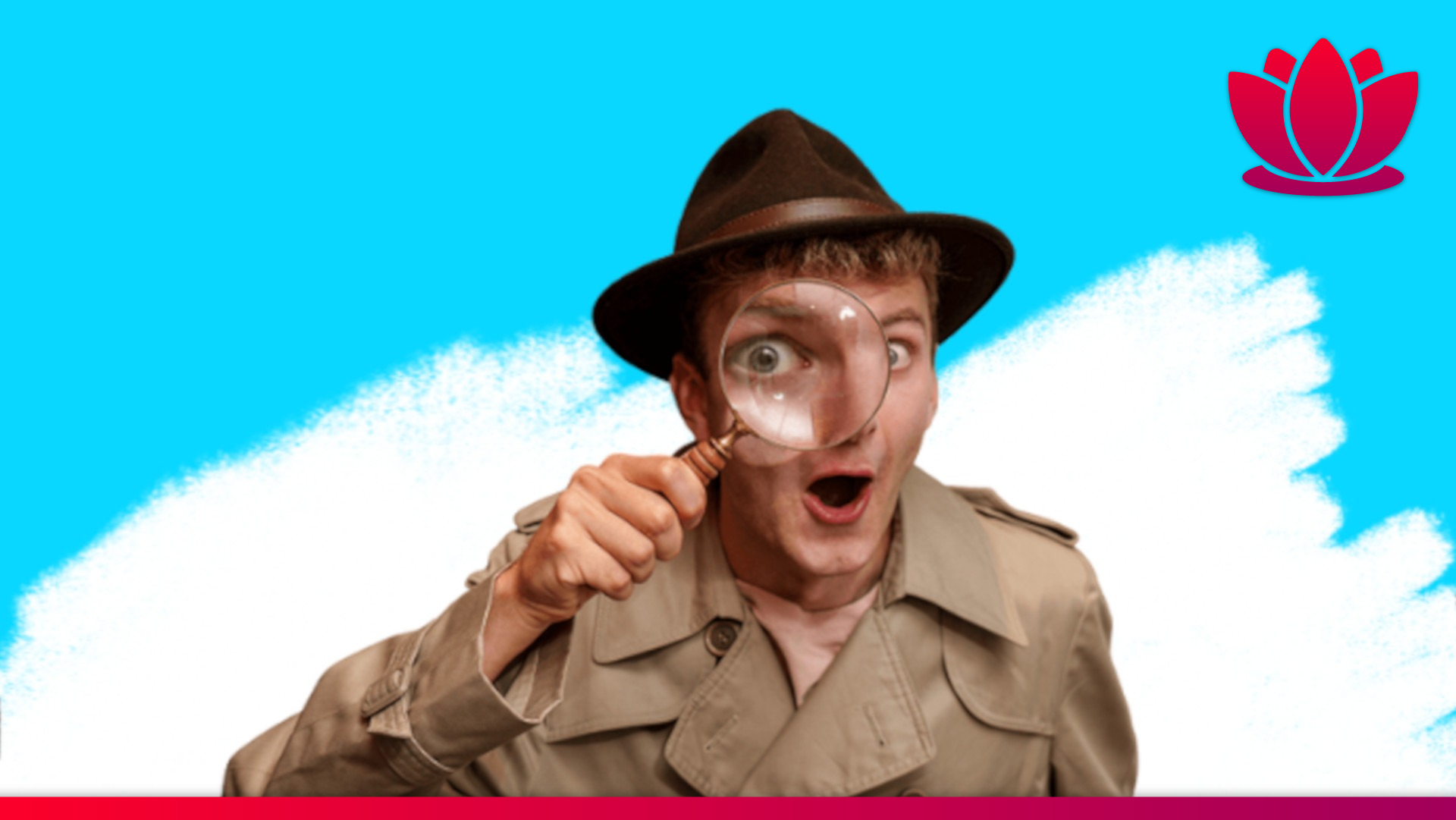
Image credit: Great Ormond Street Hospital, TommyInnit
The evolving world of charity was one of the focuses at the Games for Change summit during this year’s London Games Festival. Games for Change, as an organization, promotes and supports the power of games with social impact, but this is more than just the potential for games to be educational or to carry a good message.
Social good comes in many forms, and at two panels, Games for Change explored case studies where the games industry and streaming culture shape how audiences approach charity.
Hay Day Cultivates a Charitable Community

Hay Day is a free-to-play mobile game created by Supercell, the same company behind other mobile hits like Clash of Clans, and has allowed players to tap their way through virtual farms for over a decade.
It’s had more social features, like the ability to set up neighborhoods, for a while, but it wasn’t until recently that Supercell was able to galvanize this virtual community into something more impactful.
In different events under the banner of Hay Day Gives Back, the game encouraged players to engage with seasonal events, providing not just in-game rewards but also tying donation goals to player activity. The events primarily supported causes loosely related to the farming theme, such as saving the bees, and also encouraged the community to vote for which cause to support next.
For Hay Day, it’s been an unequivocal success. Their first ‘impact events’ started with only 42% user participation, but this would grow until these seasonal charity drives had close to 90% of the Hay Day community getting involved. As the Supercell panelists put it, repetition turned behavior into culture, allowing players to feel like they were doing good just by playing.
It can be hard to argue with results like 200,000 meals shared through the UN World Food Program, but Supercell isn’t just getting fuzzy feelings from their charitable donations. During the panel, Supercell spoke about how the Home for the Howlidays event, which supported a charity helping shelter dogs, had led to a 4% increase in revenue for that period.
This could be taken at face value as a win-win-win situation, where players get more content, charities get support, and Supercell gets a financial incentive to keep these events going. However, the business impact can’t help but make some of these decisions feel cynical, given that the game, despite being free-to-play, has generated at least 1 billion USD in revenue. These charity drives benefit good causes, but the engagement and revenue numbers show that there are cold calculations behind the community.
It should also be noted that Supercell is primarily owned by Tencent, which is currently working with Games for Change on a new program to help parents understand the world of video games. This, and its sponsorship of the upcoming Games for Change Festival, may go some way toward explaining why Hay Day was given a platform and why it feels like the spearhead of a greenwashing effort.
Great Ormond Street Adopts Streamer Culture
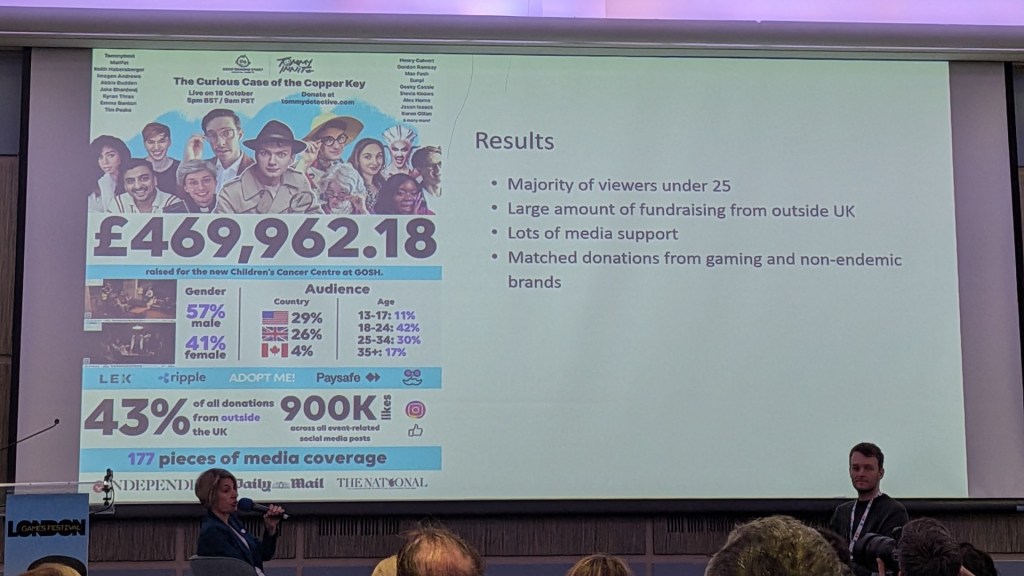
Another panel spoke to an entirely different side of charity culture in video game culture, noting that, over the years, online content creators and influencers have run many successful charity drives.
The annual Yogscast Jingle Jam brings together plenty of online gaming talent to raise money for different charities, and the speedrunner event Games Done Quick allows viewers to donate to reach incentives or just encourage their favorite speedrunners.
Great Ormond Street Hospital, a London hospital specializing in children’s health, came to Games for Change to discuss how they began leveraging the new era of streaming charity drives to organize their own fundraising events.
While the hospital had previously collaborated with games like Sea of Thieves to create in-game content with a portion of the proceeds going to a good cause, it decided to take things ot the next level with its own flagship event.
In 2025, Great Ormond Street Hospital set up a stream called The Curious Case of the Copper Key. It was an interactive livestream fundraiser that leveraged the existing audiences of online talent from both within and outside gaming.
The main collaborators were TommyInnit, a YouTuber known for playing Minecraft, and MatPat, the former host of Game Theory. Rather than hosting on an independent channel, the livestream was broadcast through the participants’ channels across multiple platforms, leveraging built-in viewership.
This move to engage with streamer culture was, in part, one about demographics. The usual crowd that donates to causes like Great Ormond Street Hospital tended to skew older, whereas an event like The Curious Case of the Copper Key could reach new audiences who engage with very different kinds of media.
What made the stream special, however, wasn’t just that it was streamed, but rather how it encouraged audience engagement through gamification. The Curious Case of the Copper Key released mysteries and clues in real time as a live ARG, allowing the audience to solve the mystery alongside the collaborators.
The drive was a success, even though viewership fell short of expectations, and Great Ormond Street intends to run another live stream in 2026. There were definitely lessons to learn from their initial foray, and the organizers want to lean further into audience participation, but more in smaller tanks so viewers didn’t need to follow from the very beginning.
In both Hay Day and Great Ormond Street Hospital’s case studies, there’s one big thing to learn: that charities can get the most out of their fundraising efforts by leaning on the community. Be that an in-game community driven to complete events for mutual gains, or the strong community surrounding the world of gaming culture.
FAQs
Supercell makes several very popular mobile games, including Clash of Clans, Clash Royale, Brawl Stars, Hay Day, and Boom Beach.
Tencent, a sponsor and partner of Games for Change, bought a majority stake in Supercell back in 2016.
TommyInnit has been inspired to work more closely with Great Ormond Street Hospital after losing his close friend and fellow Minecraft YouTuber, Technoblade, to cancer.