Image credit : Sony
Games for Change, a nonprofit dedicated to utilizing and promoting games for social change, hosted its first London summit this year at the London Games Festival. It was a day full of panels and workshops, discussing the positive impact that games can have on people’s lives.
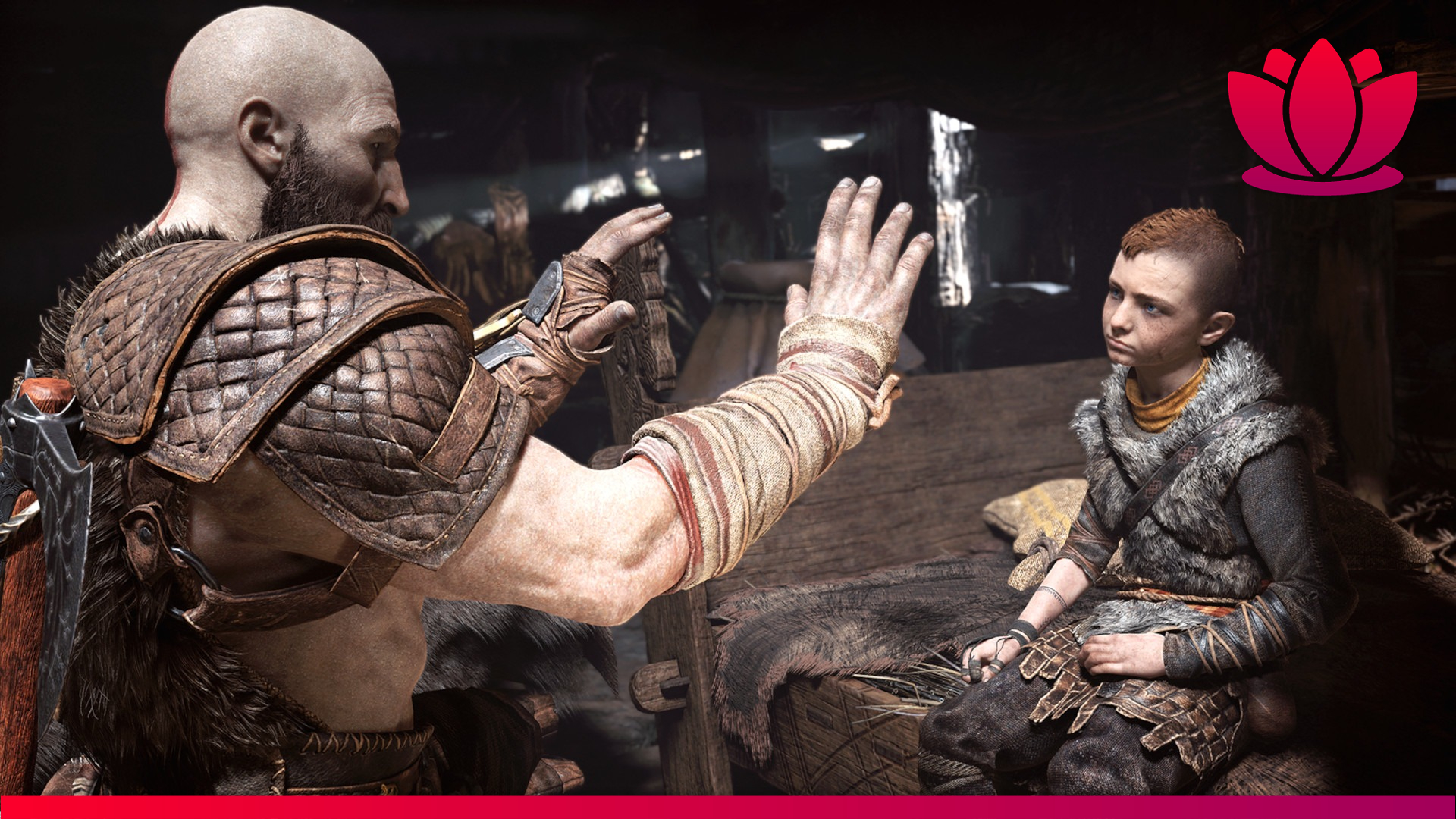
This year, across two talks, Games for Change wanted to address a demographic that struggled to understand the ongoing discussions about video games: parents. While video games are a major part of many people’s lives, non-gaming parents just don’t have a good understanding or perspective on how their children understand or interact with the games they play.
All online interactions
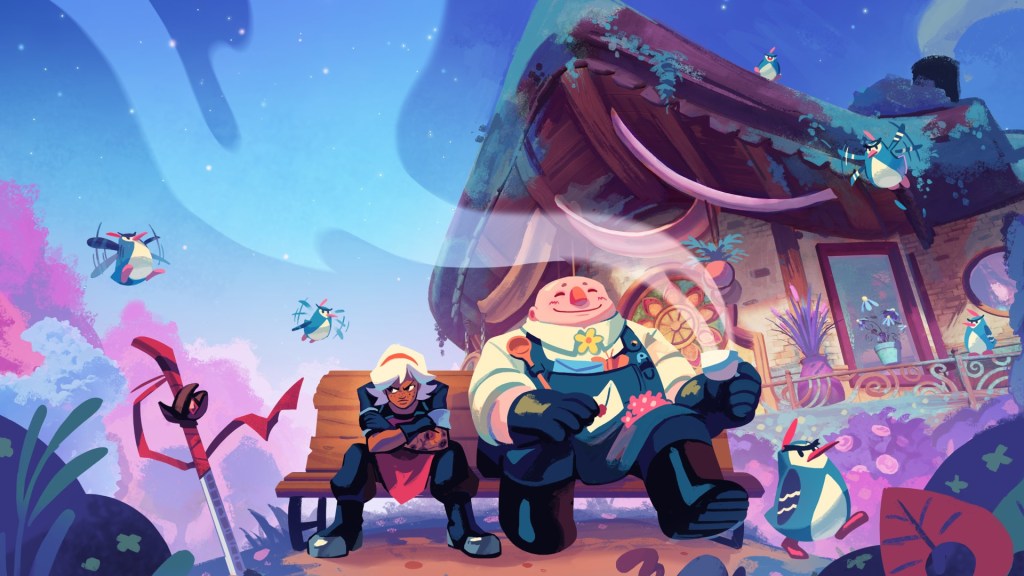
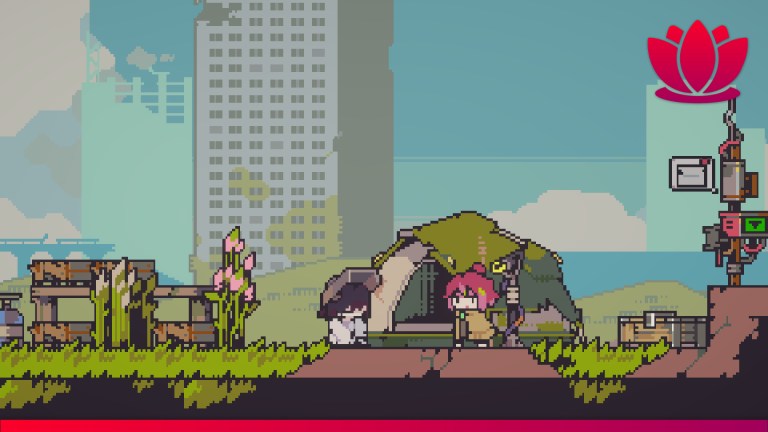
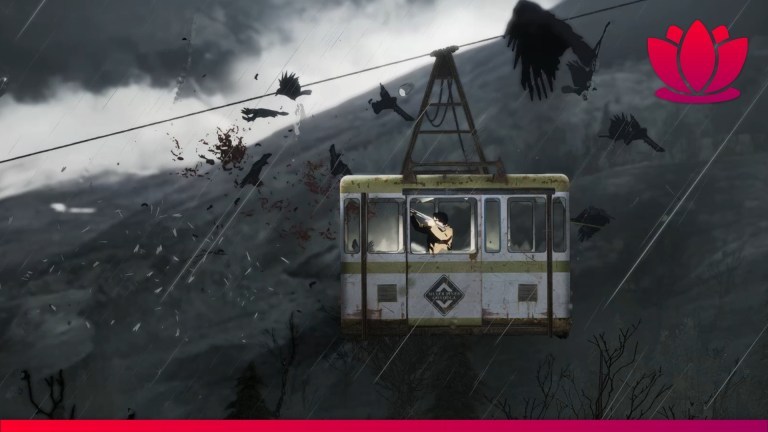
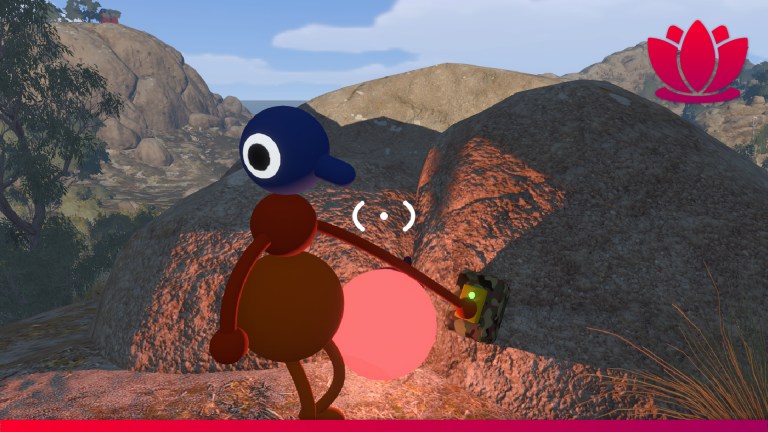
Games for Change is all about the positive benefits that games can bring, in all forms. They could be early educational games like The Oregon Trail, games that tell stories that don’t usually get told, like Never Alone, or games that address mental health topics, like Wanderstop.
Even games without these specific benefits still offer benefits such as developing visual-spatial skills, fostering teamwork, and promoting creativity. In many ways, the play in video games can develop skills much the same way as real-world sports.
Parents, however, often aren’t able to see these benefits at all, and it can be hard to help them understand. As discussed during a talk titled ‘Raising The Next Generation of Positive Players’, the social experience surrounding video games has changed over the years, becoming something that happens behind closed doors.
Once, players would all gather in an arcade to play together. Later, this would move to playing locally on the same console, but over time, everything would move online. Young players would play exclusively online games with their friends, communicating in ways completely hidden from their parents and far from their simplified understanding of how games work.
Raising good gamers
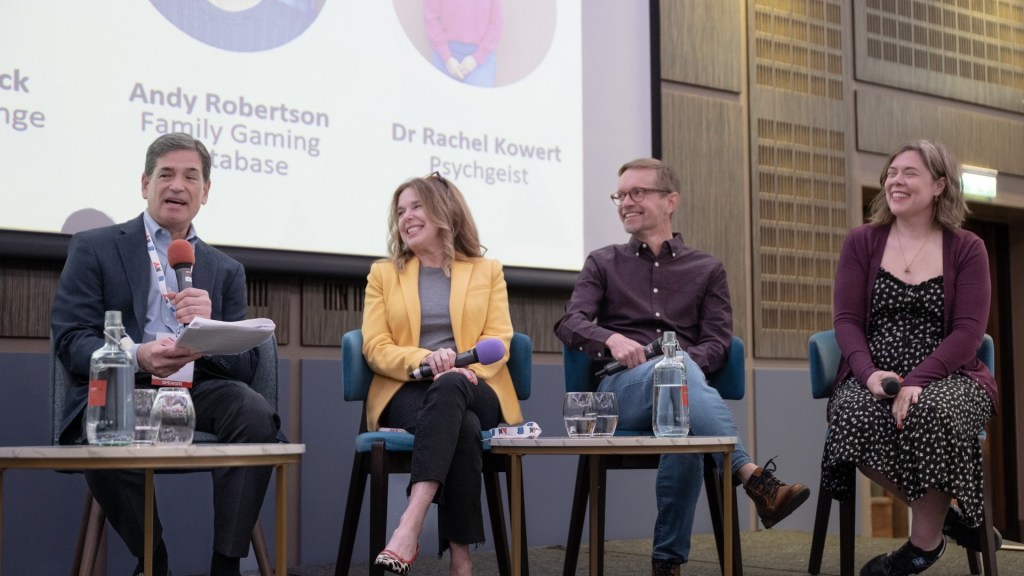
While the games industry can engage its own fans and communities, it struggles to reach those who don’t play games. This leads to an ever-increasing divide between young players and their parents. This divide creates friction over what out-of-the-loop parents would consider wasted time and anxiety about the kinds of interactions children could be having online.
To try and tackle this knowledge gap, Games for Change, alongside psychologist Dr Rachel Kowert, has set up a partnership with technological conglomerate Tencent to launch a primer for parents to help them connect with their children.
The white paper, called ‘Raising Good Gamers: What Families Need to Know About Video Games and Well-Being’, is supposed to help parents understand an industry and a world with which they have no overlap. The paper is meant to provide schools and youth organizations with tools and resources to pass on the knowledge to parents, discussing positive play and how to engage with their children.
The paper had already led to a successful test workshop in the US, so the organizations are looking to roll out on a larger scale in both the US and the UK in September 2026. These workshops aim to make things digestible for parents, ground discussions in evidence, and provide them with the practical tools they need to engage with their children constructively.
The paper was announced only during the London Games Festival; further details will be shared at the next Games for Change Festival in July. Should the rollout be successful, then it would be a strong step in curbing parental anxieties about video games and the culture surrounding them.
Remarkable Life of Ibelin
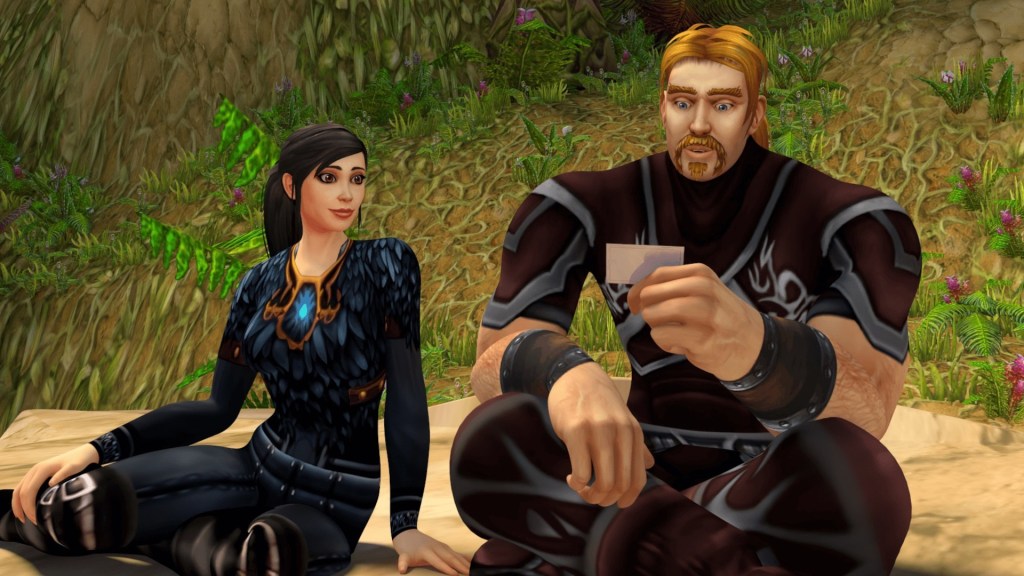
Another talk at Games for Change had a different solution in mind for helping bridge that gap, though: just try to play the game with them. This was a lesson Robert Steen learned after the passing of his son, Mats Steen, when he discovered that Mats was leading a whole other life online that he had no idea existed.
The story of Mats Steen is recounted in the documentary The Remarkable Life of Ibelin. In short, Mats was born with Duchenne muscular dystrophy, and due to the condition increasingly withdrew from a world he was struggling to participate in. Instead, Mats chose to spend his time online, playing World of Warcraft as a character called Ibelin.
To his parents, it seemed like a waste of life that their son walked away from reality until his death at the age of 25. It was only afterward, when they went online to announce to Mat’s guild, that they realized how much they hadn’t seen. Robert spoke about how the guild members came to attend Mats’ funeral, how they continue to do yearly memorials in Mats’ memories, and how he joins in on a character he’s made.
Robert spoke about how many people play games regularly, but parents just have no understanding or insight into what’s happening online, both the positive and the negative. His position is that if parents want to dispel their anxiety about what their children are doing, they should be curious, engage with their children’s hobbies, and try to come along for the ride.
It’s natural for parents to be anxious about their children’s activities, especially when they can only see possible negatives. Whether the answer is to take the plunge themselves, or to get help to understand the ins and outs of video games, parents must take the time to understand what their children are doing – and to reframe their assumptions surrounding video games.
FAQs
Games for Change is a nonprofit organization founded in 2004 that promotes the power of social change. This included running competitions to teach students about game programming, honoring games that promote social good, and now rolling out workshops to teach parents the positive side of video games.
Each year, The Game Awards has the Games for Impact category, focused on games that are thought-provoking or designed to address real-world challenges. In 2025, the winner was South of Midnight, an action game set in the folklore of the American Deep South.
Yes, The Remarkable Life of Ibelin focuses on the real story of Mats Steen, and the life he led primarily through World of Warcraft up until his death.

About The Author