Image credit: Em Stonham for Kyusai/Project Cloud Games/Perp Games
If you’re someone who loves Soulslikes and dark ARPGs, it’s likely that you’ve had your eye on The Relic: First Guardian ever since its announcement. Developed by Project Cloud Games and published by Perp Games, it’s a title that promises bloody combat, mythical bosses, and a dark story.
The game is just as mystical and intense as I’d hoped as a Souls geek – and plenty of the bosses dragged me through the mud before I could get the upper hand in battle. Here’s Kyusai’s full, spoiler-free review of The Relic: First Guardian, completed on PlayStation 5.
Dark and foreboding
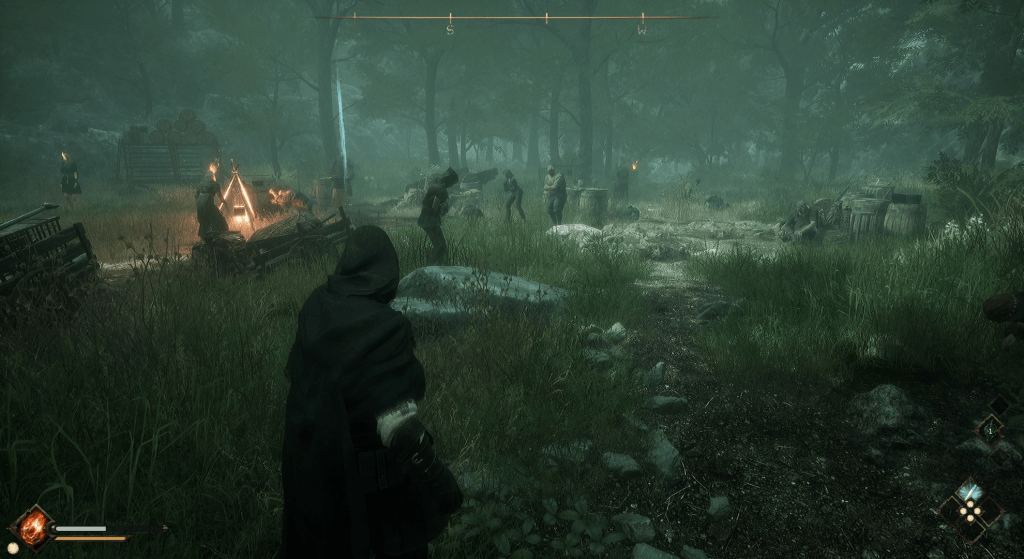
In The Relic: First Guardian, you play as a somber, blade-wielding hero called a Guardian, tasked with exploring the remains of a once-lively world called Arsilthus. I previewed the game for Kyusai earlier in the year, and was excited to jump back in.
Your quest is to find Relics scattered throughout Arsilthus and defeat the slavering beasts that guard them, bringing Arsilthus back to its former glory and helping out the people you meet along the way. It’s a tried-and-true setting for a fantasy story, but it works nicely here.
With a world that takes inspiration from Korean folklore and a veritable barrage of bosses to defeat, the world feels both exciting and deadly to run through, particularly towards the later stages of the game.
The game world feels quite open when you explore – you can head whichever way you’d like to hunt treasure or enemies – but I wouldn’t say it’s open-world.
There are plenty of invisible walls and conveniently-placed carts blocking your way if you head too far off path, and the game will nudge you in the right direction. This didn’t bother me for the most part, but there were a few instances where I would’ve loved to explore the region I was in further.
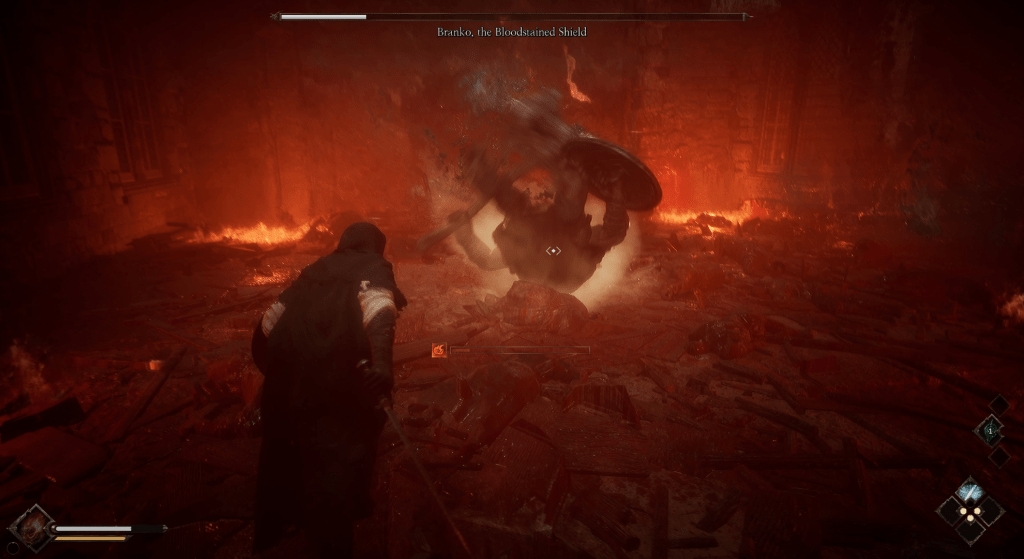
Gameplay largely consists of fighting your way through packs of enemies, exploring, and speaking to NPCs, before being thrown into one of 80 boss fights. Said boss fights are nice and tricky, with plenty of attack patterns and visual indicators to memorize.
I’ve always viewed Soulslike fights as rhythm mini-games – yes, the Rhythm Heaven Groove music does play in my head while playing Elden Ring, thanks for asking – and I found the boss fights in The Relic: First Guardian to be a perfect example of this.
The battles were challenging to an enjoyable level; combat was responsive enough to give your Guardian a fighting chance, but the bosses didn’t pull any punches. If you’ve got a decent sense of rhythm and environmental awareness, though, you won’t struggle too immensely with any major fights.
I did occasionally get caught off guard by enemies in the overworld, embarrassingly dying more to random mobs over the region bosses in the early stages of the game. If you get punched off rhythm, you can get rolled fairly quickly, meaning it’s important to stay vigilant while moving around.
The death screen is particularly cheeky, as it keeps a death counter going throughout your playthrough. As much as this did raise my blood pressure in a few instances, I liked this as a feature and found it to be quite funny.
Wickedly fun combat, decent story
The combat in The Relic: First Guardian was a real highlight for me. There are five types of weapon, twelve skill trees, and an obscene amount of Relic powers to experiment with, meaning there’s plenty of room to create unique builds and find a style of play that works for you.
I loved the fact that items were unique, too; if you find a greatsword in one region, for example, you’ll never find it again in the overworld unless you start a new save.
This made finding new gear feel significant and it’s something I wish more RPGs would do with their gearing systems – although it may get a little chaotic if it was introduced into something like World of Warcraft, admittedly.
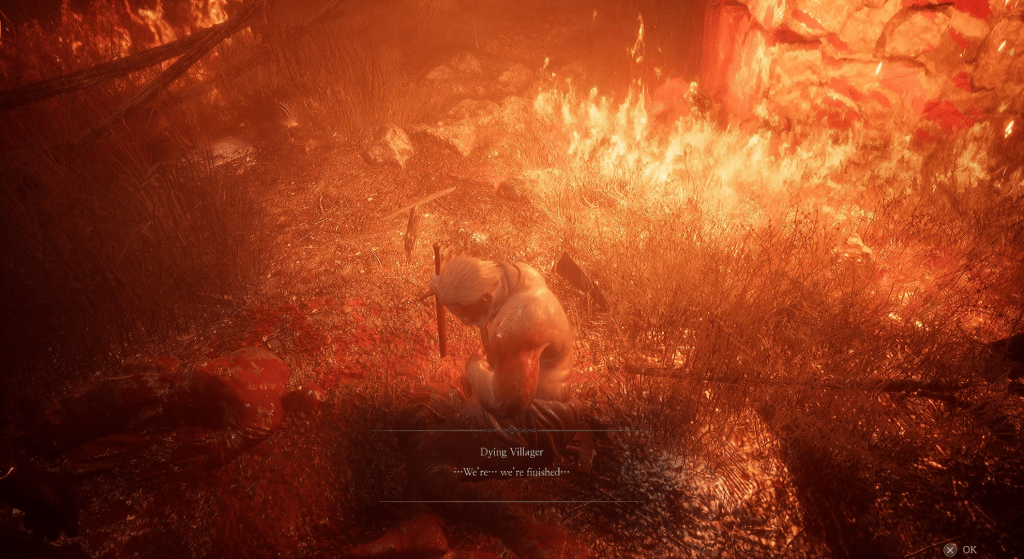
There was a decent story to read through in The Relic: First Guardian, too. The world is deeply tragic and soaked with blood – right from the get-go, you’ll find a village that’s been razed and a church soaked with viscera – and there are dozens upon dozens of lore-packed notes to find.
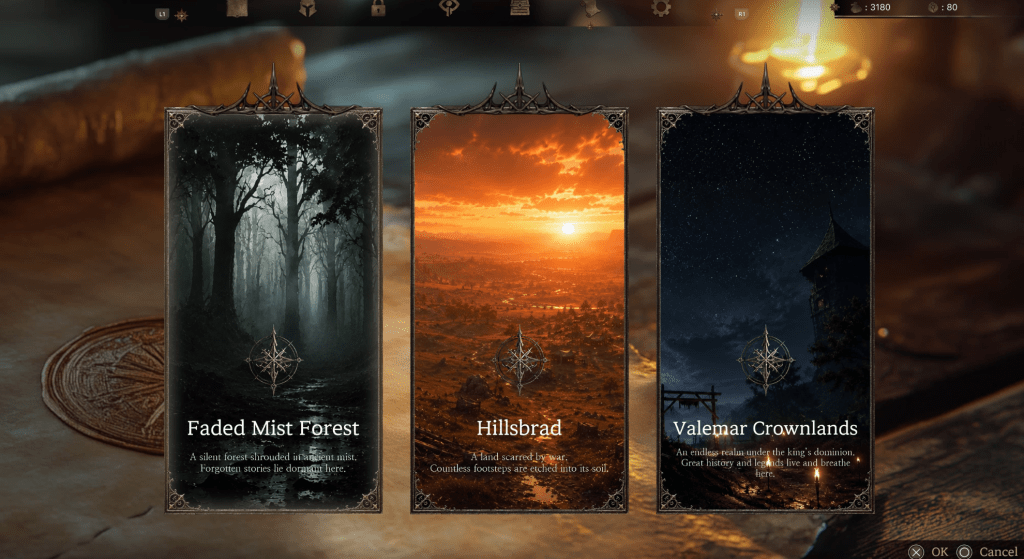
I didn’t find the actual writing to be overly compelling, for the most part, admittedly, but I did find the environmental storytelling to be stellar. The world felt like it’d been decimated and ravaged, and it felt harrowing to explore certain regions.
The visuals felt like a direct homage to classic RPGs and Soulslike titles, and I loved the art style. Boss designs were a real standout in the visual department, and while there were some NPC models who acted strangely or looked clunky, I found character design to be a highlight of my time with The Relic: First Guardian.
Performance-wise, I found The Relic: First Guardian to be strong throughout my time with it, aside from a little clunkiness in animation or strange clipping textures here and there. There were no major bugs, issues, or visual quirks found during my time with the game.
One minor complaint that I have is the lack of a dark keystroke on subtitles, and how hard some of the in-game text was to read. I rely on subtitles a lot while playing games and found some cutscenes to be difficult to parse with white text on light backgrounds, and some of the notes were hard to read, too.
Aside from this, I had a stellar time with The Relic: First Guardian, and I can’t wait to hop back in for another run. If you’re a fellow Soulslike geek and love learning intricate boss patterns to perfect your combat skills, this is a game you’ll get a lot out of. It’s dark, intense, and bloody, but there’s beauty in its world, as well.
FAQs
The Relic: First Guardian was developed by Project Cloud Games and published by Perp Games.
The Relic: First Guardian is a dark ARPG with Soulslike combat.
The Relic: First Guardian will launch first on PC and PlayStation 5, then Xbox Series X/S and Nintendo Switch 2 later in the year.
The Relic: First Guardian is a decently challenging game, but not obscenely difficult. If you’ve beaten other Soulslike games, you’ll have a great time with it.

About The Author