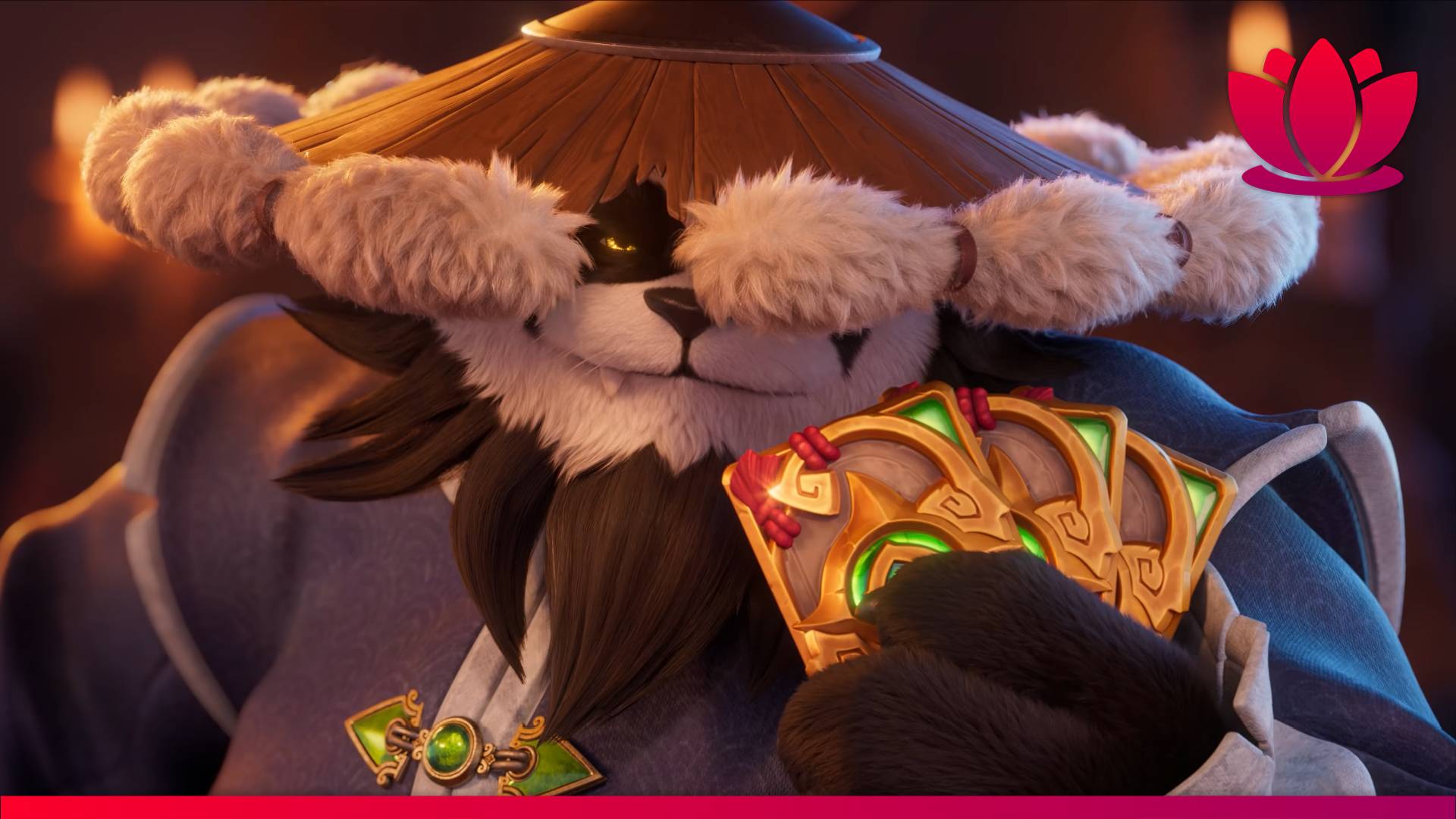
Image credit: Blizzard Entertainment
Hearthstone is finally getting another playable class, as Monk will be added to the CCG in an upcoming expansion. During BlizzCon 2026, Blizzard announced that Hearthstone would receive its twelfth class, the first since Demon Hunter, back in 2020, and that it would arrive in March 2027 – not during the next expansion, Reign of the Black Empire.
The class is headed up by Chen Stormstout, a long-standing Warcraft legend, but otherwise we’ve got pretty limited information. Blizzard has said that the class will be “flexible” and “adaptable” and can “pull off some incredible combos”, but that doesn’t mean much. So just what are Monks in World of Warcraft, and how could that translate to Hearthstone?
What are Monks?
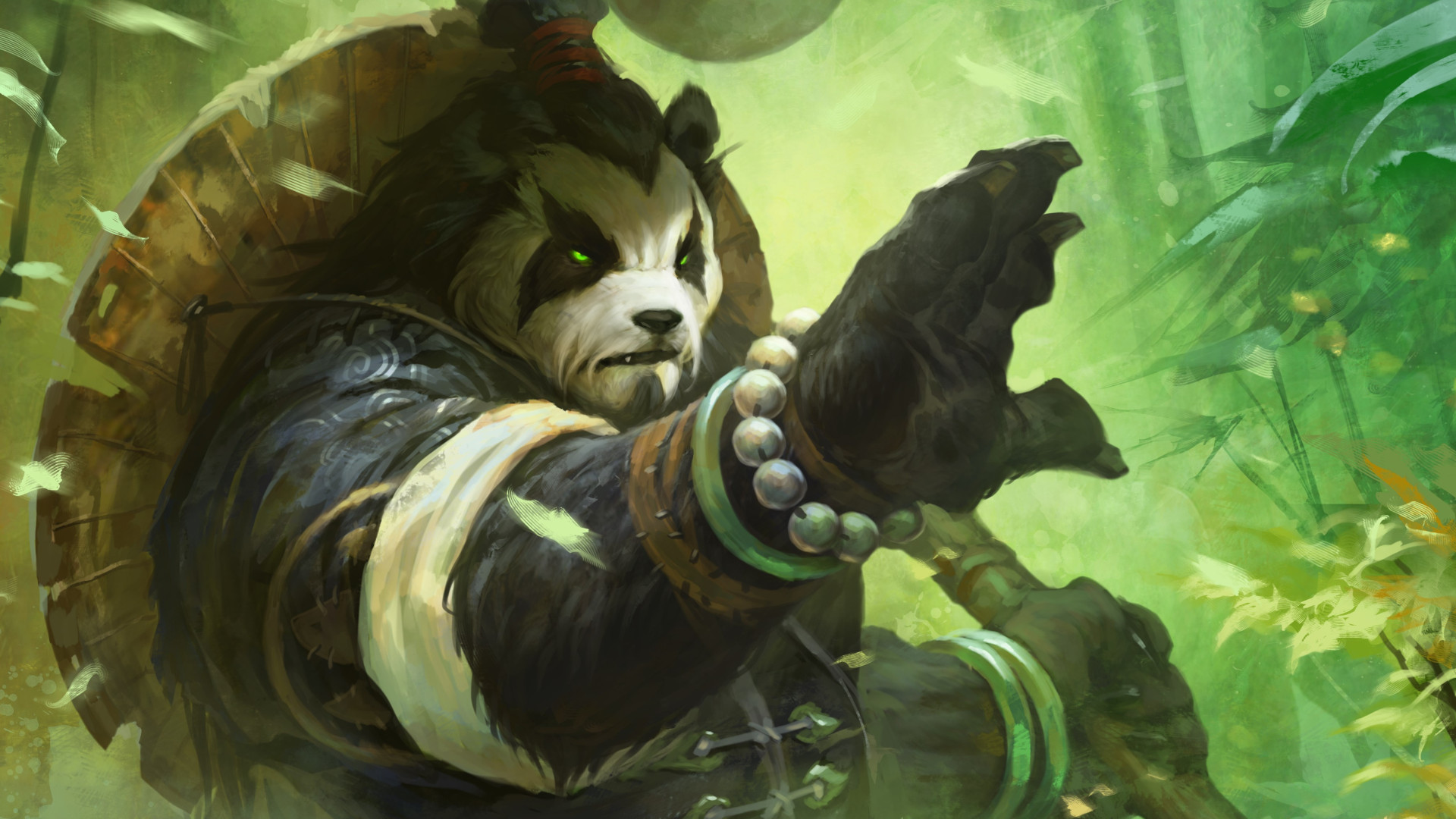
In the lore of World of Warcraft, the Pandaren were the first Monks, which makes sense considering the class was introduced in the Mists of Pandaria expansion.
The Pandaren were subjugated under the tyrannical Mogu, and struggled to fight back without weapons. That was until they turned their bodies into weapons – using Chi and martial arts to lead a revolution against their subjugators.
The Monk class of Warcraft continues that tradition, and how a player chooses to channel that Chi changes how the class plays. It’s a hybrid class, able to cover Tank, DPS, and Healer roles, much like Druid or Paladin, which would be part of why Hearthstone wants to highlight their adaptability.
Notably for the theming of the cards in Hearthstone, the Monk’s different methods of fighting are represented by the August Celestials – different powerful animal spirits that can be seen in the Hearthstone trailer for the Monk Class.
Each of these specializations – be it the tanky Brewmaster, healing Mistweaver or damaging Windwalker – has one or more of these spirits to draw from.
More Keywords on the pile

The Monk has a few unique mechanics to draw from for their translation into Hearthstone, and it’ll be interesting to see what they look like in practice.
The Brewmaster class, for example, is a unique kind of Tank in World of Warcraft, who specializes in staggering burst damage against them into damage over time, which can then be mitigated or removed.
In Hearthstone this could be envisioned as delaying damage to other turns, where other cards could potentially remove the damage entirely. This would certainly allow for a combo move between the cards, but how they all come together and activate is yet to be seen.
Hearthstone likes to give their classes unique mechanics that could potentially give inspiration for how it intends to handle Monk. Druids, for example, have access to cards that can have multiple effects that can be picked between when played; something like this would provide the flexibility that Monks need.
Death Knights lean into their class specializations by locking cards to different rune types. If you make a deck with cards that lean heavily into the Frost archetype, you will inevitably be locked out of the cards with the Blood or Unholy archetype. This leads to a class that can try out multiple deck identities, but certainly doesn’t provide flexibility in the actual game.
There are so many Keywords in Hearthstone that Blizzard would need to think outside of the box to create new ones.
Many of the already existing Keywords could fit Monks in terms of flexibility and combo-creating. One of these is Kindred, which allows for extra card effects if you played another card of the same type the previous turn.
Or even just Combo, which is used by the Rogue class, and activates an extra effect if another card had already been played. There’s a lot of inspiration that Monk can draw from, and yet it must find its own identity.
So what could it be?

I’m not a game designer, merely a game enthusiast, so there’s virtually zero chance of me actually being able to guess Monk’s upcoming mechanics. However, Monk was my main class in World of Warcraft since Mists of Pandaria, so I’ve got something of a vested interest in the whole thing.
I think the best way to run a Monk class is to use a similar system to the Death Knight runes, but without actually locking the deck into place.
Let cards have an associated specialization or August Celestial – such as letting the Brewmaster’s ability to breathe fire be associated with the Black Ox, while damaging abilities be associated with the White Tiger. Then, let the previous type of card affect the next type.
Hearthstone has the ability to affect and change card abilities in hand with ease, including cards that change their abilities turn on turn. I think the best way to reflect Monks’ varied abilities and combo potential is to give their class cards extra effects based on what’s already been played.
It’s unlikely this would be whole new effects per card, though that would be cool, but maybe more just chaining styles of cards.
If you play a Black Ox card, maybe the next card allows you to stagger more damage. A White Tiger card adds more damage to the next card, the Jade Serpent provides healing to your hero, and the Red Crane maybe leans into healing your minions.
The point is that you can flex abilities over your cards as they support each other, either creating harmonious balance or really letting you specialize. It will likely be some time before we actually see Monk in action, as it won’t be released until March 2027, but I’m excited to see how they translate my favourite class into Hearthstone.
FAQs
Not yet, but Blizzard has announced that one will be released in 2027.
Yes, Hearthstone still has a sizable player base, though not nearly as much as its peak years.
Hearthstone has lost players over the years for several reasons, though key to this is probably due to year on year power creep and matches resolving too quickly. Hearthstone has a lot of flash, but isn’t a particularly balanced game. It’s also relentlessly monetized.
Hearthstone is sometimes good for beginners. It explains its rules very well and is quite simple on the surface; however, you need to invest a fair amount of money or time in order to get a decent deck together.