Image credit: Mob Entertainment
Poppy Playtime is one of the most beloved series in the mascot horror world, with scores of fans eagerly ripping into its plush flesh every time a new Chapter releases. It’s for a valid reason, too – the series is a hell of a lot of fun, and it features some nail-biting moments alongside its goofier lore sections.
As someone who adores the franchise, I can find something to praise in every Poppy Playtime Chapter, but some of them stand out as much better than others. Here’s a complete Poppy Playtime Chapter tier list, going from worst to best.
Fair warning, this is not a spoiler-free tier list. If you’ve not played Poppy Playtime yet, I’d encourage you to do so before reading this Chapter ranking.
Every Poppy Playtime Chapter, ranked
As is the case with most mascot horror games, the lore in Poppy Playtime has gotten more vibrant and unhinged in equal measures as the world has expanded.
To pick out the best Poppy Playtime Chapters, I’ve considered the lore and characters, the quality of the puzzles, the visuals and world-building, and the jump scares and chase sequences in each one. Please note that I’ll be delving into key story beats for each Chapter below.
Chapter 5: Broken Things
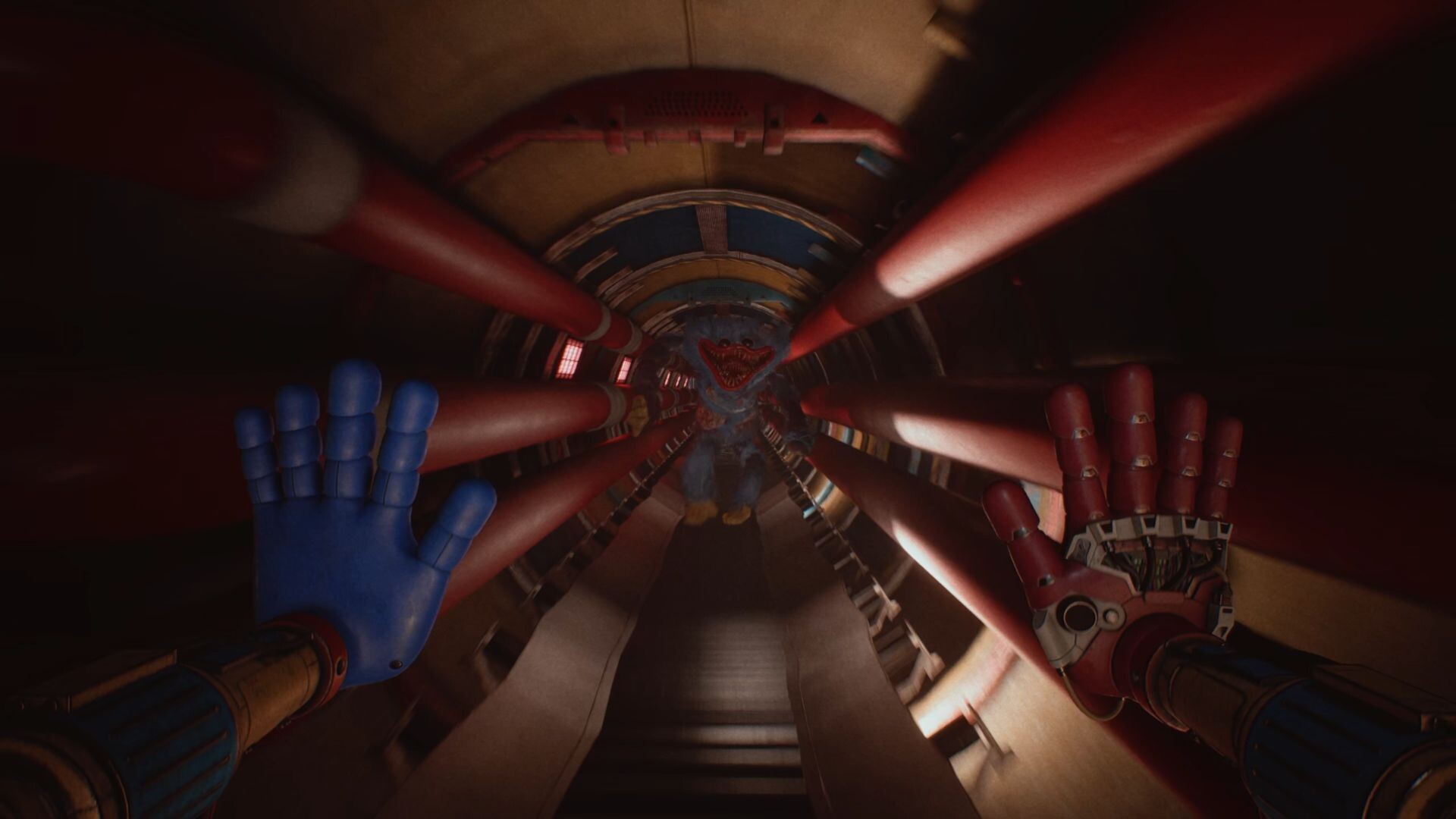
At the time of writing this article, Chapter 5: Broken Things is the newest entry in the Poppy Playtime world, and based on the time I’ve spent in fan forums and community pages online, it seems to cause the most disagreements between fans.
Taking place in the very depths of the factory, this section of Poppy Playtime kicks off with a Huggy Wuggy chase sequence, then takes the player through a nightmarish series of back rooms, eventually depositing them in a twisted doll house.
This Chapter is unnerving in places and has some incredible moments with its lore – seeing the Prototype is interesting, although I found its design lackluster – and there are heaps of story snippets tucked around the world for players to uncover, making exploration feel rewarding.
The pacing in Broken Things doesn’t feel quite right to me, though, especially when compared to earlier Chapters. It also falls foul of an argument I’ve heard in a Markiplier video of all places; I’m paraphrasing, but intense chase sequences are only fun once. When you die and have to reset, they get stale, and they become more of an annoyance.
My complaints around pacing and chasing are offset by some of the set pieces in Broken Things. It’s one of the best looking Chapters by a mile, in places, with the brilliant brain washing videos, along with Lily’s dollhouse being one of my favorite areas in the game. It’s cutesy and creepy all at once.
Chapter 4: Safe Haven
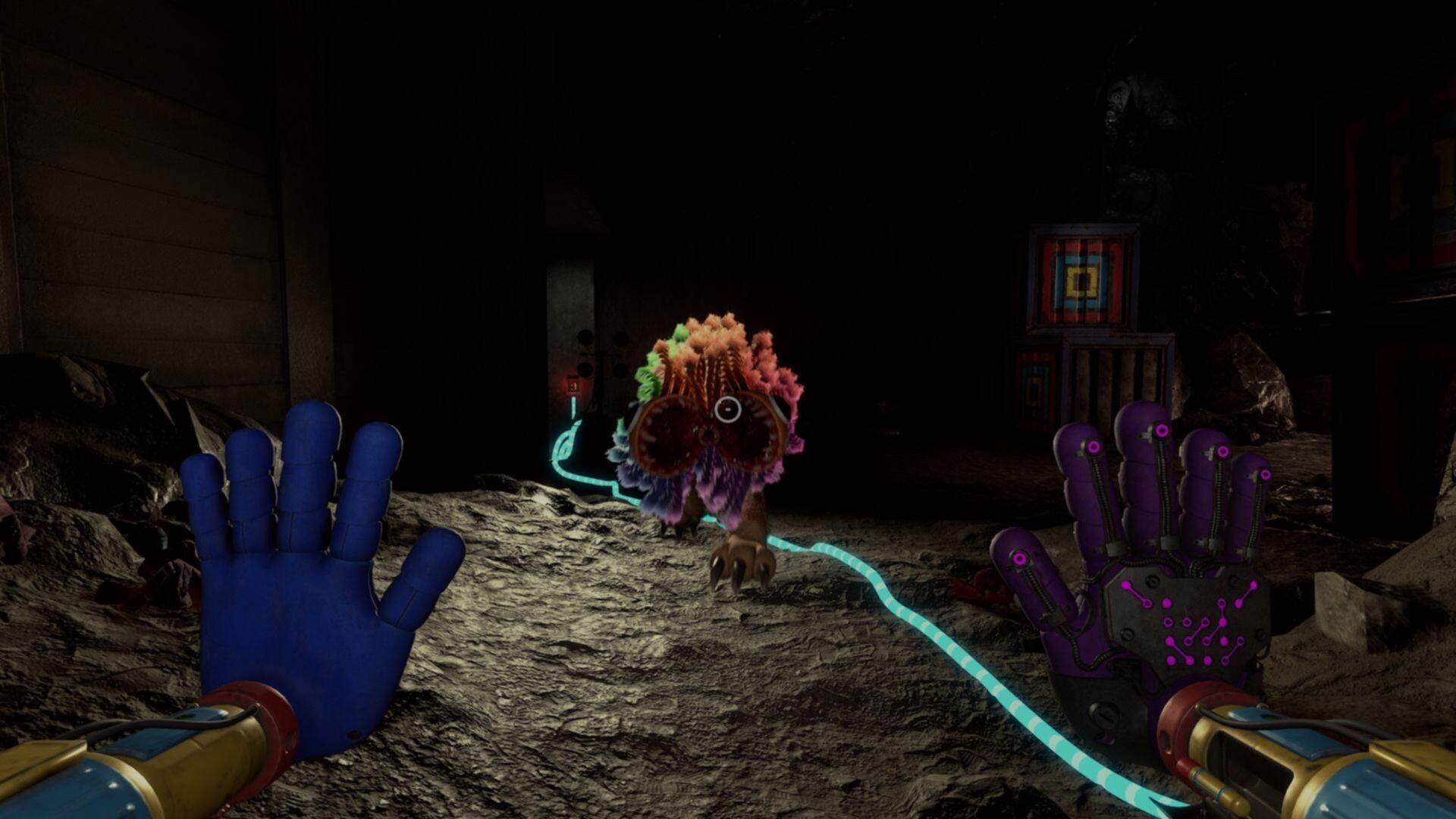
Chapter 4: Safe Haven centers around the aim of killing the Prototype, largely taking place in a prison area and an ominous zone called No Man’s Land. It’s a Chapter that I think suffers from the quality of the Chapters that came before it.
It’s not a bad Chapter by any means – in fact, it’s fun to play through – but it doesn’t quite hold up with its horror, puzzles, or environments. They’re fine enough, but I view the first three Chapters as exceptional in these departments.
The one place that Safe Haven does shine is with its characters. Yarnaby is a brilliantly creepy critter, and Doey the Doughman is one of the best-written characters in the game, with wonderful voice-acting to boot. Doey is an amalgamation of three different children in one body, and his back story is bitterly tragic.
Dr. Harley Sawyer is a solid villain with strong voice acting, too, although his boss fight left a little to be desired in my eyes. He’s an awesomely cerebral character, twisting the environment around the player to unnerve them, and I found myself wishing for more from him. Seemingly, my wish may be granted in future Chapters!
Poppy Playtime has had its fair share of bugs in its life, and while it’d be rather unfair to dunk on the fourth Chapter for quirks that’ve been patched out for the most part, it is worth noting at least that this was one of the roughest launches in the franchise’s history. For some players, this soured their opinion of the Chapter.
Chapter 1: A Tight Squeeze

Is it nostalgic bias that’s leading me to put the first Chapter of Poppy Playtime so high up in this list? Quite possibly, but I think the first entry, A Tight Squeeze, is a shining example of a development team trying to break the typical constraints of the mascot horror genre.
Starting off with the mysterious former employee breaking into the Playtime Factory and working their way into its guts, this Chapter felt mysterious from the jump and set up its big chase sequence with Huggy beautifully by having the big lad stand and wave in the central hall. It culminates with the player freeing the titular Poppy from her case.
The vent chase sequence with Huggy Wuggy may’ve bugged me more than other players as I’m deeply claustrophobic – I don’t even like being in cars; silly, I know – but I found it to be supremely startling.
The fluffy friend is much larger than the vent, and there was something deeply horrifying about seeing him contort himself in a desperate attempt to get his mitts on the player. It felt panic-inducing and tense, and not overly annoying to repeat if needed, which isn’t always the case with Poppy Playtime chase sequences.
Lore-wise, Poppy Playtime’s first Chapter may be a little lighter in comparison to its successors, but it still felt story-rich and intriguing, with plenty of lore slivers to pick up on while exploring the factory. The puzzles were fun, too, with the Grab Pack being introduced in a novel fashion.
Chapter 3: Deep Sleep

Widely lauded as Poppy Playtime’s most horror-centric Chapter, Deep Sleep is a hell of a lot of fun to play through. It centers around Playcare, an on-site orphanage that Playtime ran, with CatNap, a giant, sleep-gas-exuding cat acting as the Chapter’s big bad.
An entirely-not-suspicious child called Ollie feeds hints and helpful tips to the player as they begin exploring the orphanage and finding out more about the mysterious Prototype. CatNap acts as a fanatical disciple of the Prototype, and proves its loyalty by mutilating the critters who go against the Prototype’s wishes.
This Chapter leans heavily into gore and horror, and it has a good chunk of puzzles to solve as well. It’s one of the most lore-heavy segments of Poppy Playtime, exploring the Bigger Bodies Initiative and the fiendish intentions of the Playtime company.
While the Chapter’s pacing and padding are worthy of criticism to some extent, I’d place it as one of the best in the series. It’s also the entry where I started suspecting that Poppy might end up being one of the franchise’s final enemies – but as of writing this article, it’s purely a hunch of mine and isn’t based on much.
Chapter 2: Fly in a Web

Still in the factory, immediately after the events of Chapter 1, the second Chapter starts with Poppy promising a train code in return for being freed from her case, then promptly getting yoinked into oblivion by a bendy pink hand.
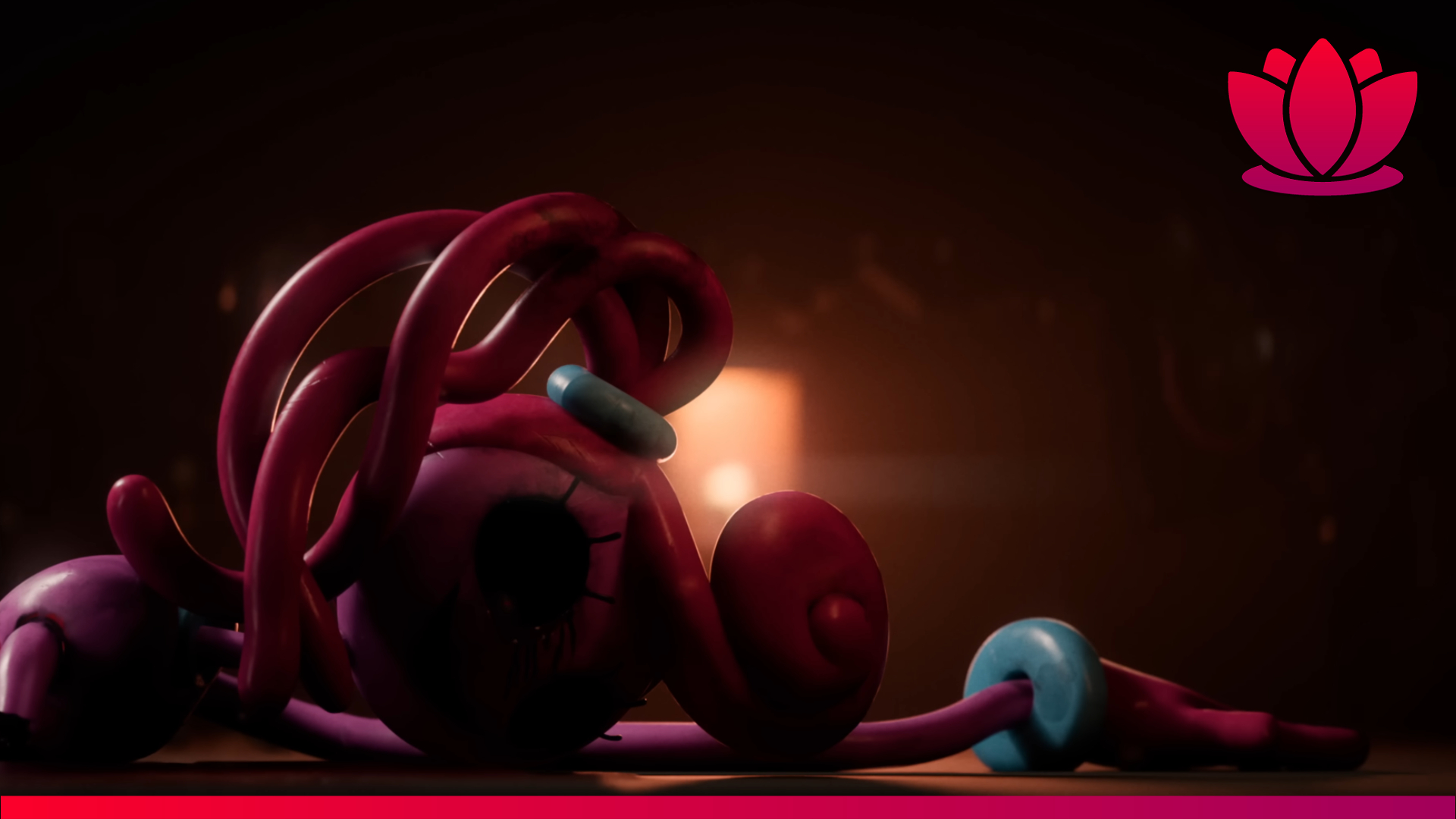
Said hand is attached to Mommy Long Legs, a bendy, flesh-hungry spider-woman of sorts. She holds Poppy captive, promising the train code in return for the player beating three games at the factory’s Game Station. As you might imagine from her very trustworthy face and demeanour, Mommy Long Legs tries to sabotage the player.
Chapter 2: Fly in a Web is, for me, Poppy Playtime at its best. Mommy Long Legs is a twisted villain with a sad origin story at her core, and the gameplay loop of trying to beat the Game Station challenges with ever-increasing threats of death is both satisfying and eerie.
I find that mascot horror thrives when it finds the right balance between being cartoonish and scary. The premise of beating a musical memory game at the threat of a pink spaghetti lady harming a sentient porcelain doll is silly on the surface, but the voice acting, ominous environments, and otherworldly threats like PJ Pug-a-Pillar sell it.
Is Poppy Playtime perfect? No – just like any mascot horror game, it’s got its quirks. But it’s a hell of a lot of fun to play through each Chapter, and if you’re a fan of horror games that don’t take themselves too seriously, it’s well worth your time. There are some unnerving moments, fantastic characters, and surprisingly emotional story beats to look forward to.
FAQs
Poppy Playtime was developed and published by Mob Entertainment.
Poppy Playtime has some jump scares, chase sequences, and heavy themes, but it’s not scary in the same way that Alien Isolation is scary, for example.
Poppy Playtime is available on a wide variety of platforms; mobile, PC, PlayStation 4, PlayStation 5, Nintendo Switch, Nintendo Switch 2, Xbox One, and Xbox Series X/S.
Poppy Playtime is vaguely similar to Five Nights at Freddy’s, particularly the later games, like Secret of the Mimic, but they have different gameplay loops and unique takes on building tension. Fans of one franchise will generally enjoy the other, though – they’re both iconic mascot horror worlds.

About The Author