Image credit: John Szymanski/Evan Szymanski/DreadXP
Indie horror is no stranger to trends and niche genres – whether you’re interested in slice-of-life retail horror experiences or P.T.-likes, which I affectionately call hallscapes, there’ll be an indie horror game to suit you.
One genre that seems to dominate indie horror is mascot horror, and it’s showing no signs of going away anytime soon. But what is mascot horror, and where did it come from? I dug into the internet forum trenches to unearth the origins of this strange, lovable genre.
Mascot horror makes the mundane malicious
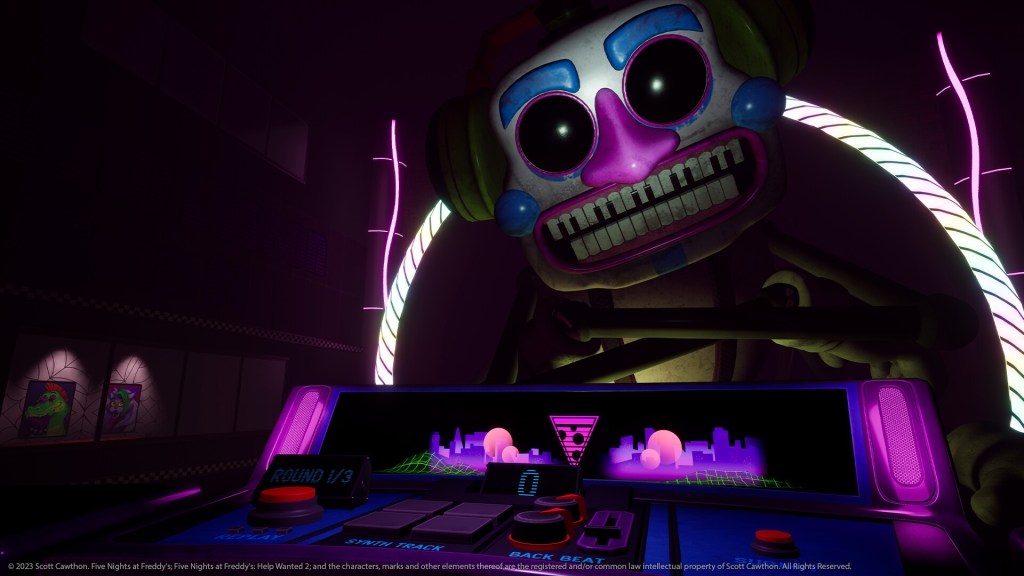
Mascot horror is a niche horror genre that focuses on game-world mascots, usually encompassing elements of classic survival horror, puzzle-solving, and in some cases, walking simulator/exploration-heavy gameplay.
The key element that makes a game a mascot horror title instead of a horror title with a mascot is the presence of said mascot in the game world.
Freddy isn’t just a mascot that you can buy stickers of on Redbubble; the snappy animatronic is a mascot in the FNAF game world, representing Freddy Fazbear’s Pizza, popping up on some of the establishment’s logos and marketing materials across the game world.
The same can be said for Poppy from Poppy Playtime. The red-haired doll can be found on all sorts of real-world merchandise, sure, but she’s also a mascot in the Poppy Playtime universe, seen in adverts and on merchandising material throughout the game.

The horrific element of mascot horror is the twisting of icons that are seemingly beloved by the in-game audience.
Freddy Fazbear was the highlight of birthday parties in the FNAF world, and before the events of Poppy Playtime, Poppy seemed to be a popular toy and mascot that kids would beg Santa for at Christmas.
All sorts of horror games can have mascots, so this differentiation is key. ROUTINE, for example, is an exceptional sci-horror title that features an adorable little robot called The I.C.; the little guy can be found as a plush in the real world, but he’s not a mascot in the game world; he’s just marketed as a useful robot or product.
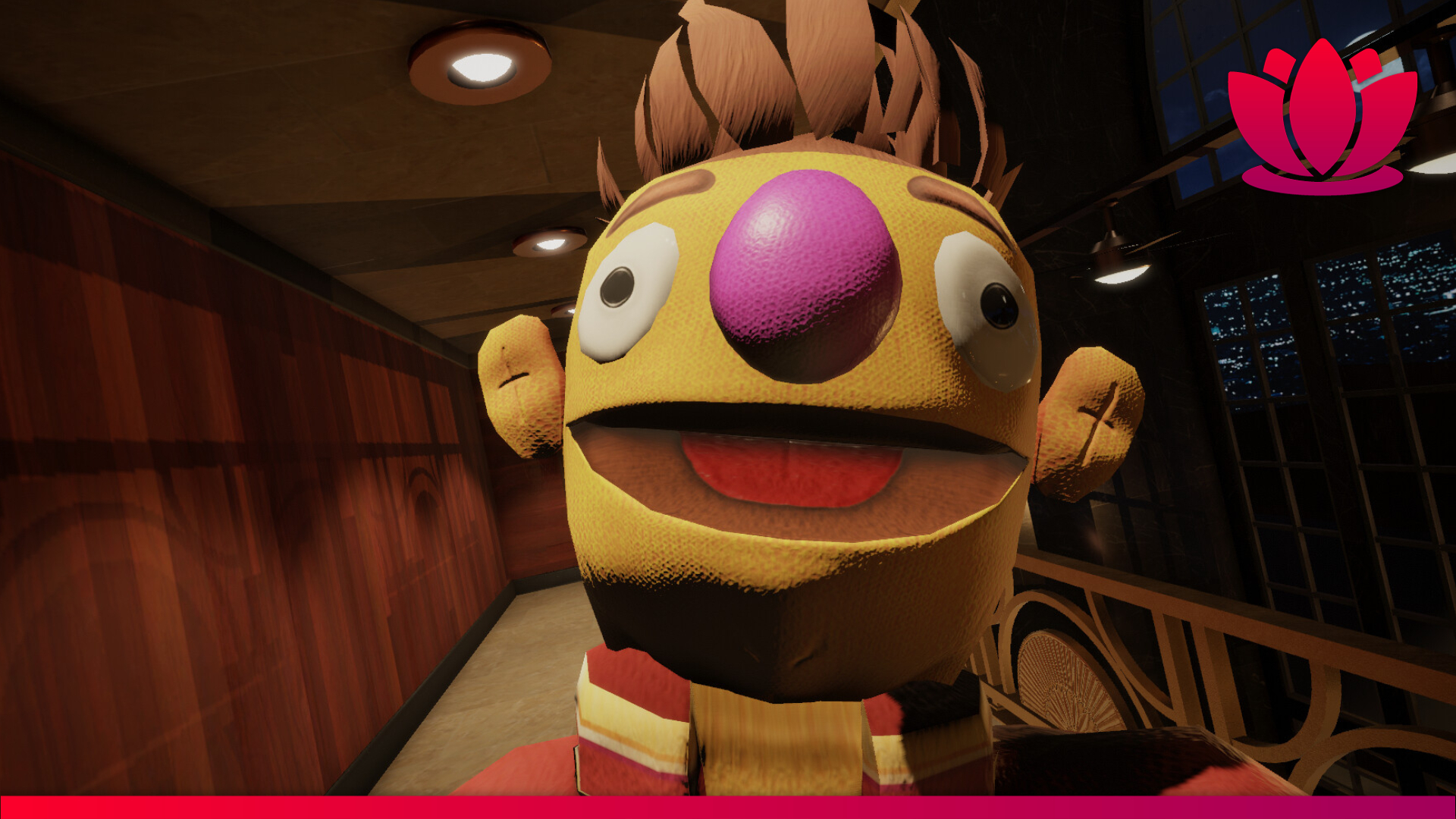
Mascot horror has expanded in recent years – I dubbed Inky Blinky Bob a mascot horror, for example, and it doesn’t quite fit the hallmarks I’ve listed here – but at its core, the presence of an in-world mascot and the corruption of something cute or whimsical is what makes the genre.
Outside of the mascot, mascot horror generally falls into the survival horror niche, often skewing towards more modern interpretations of classic gameplay elements.
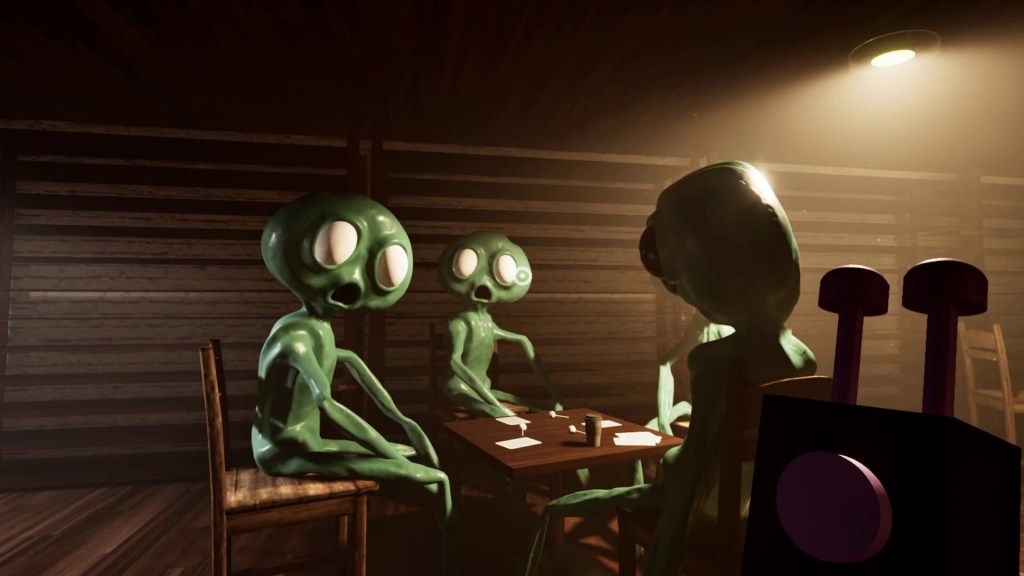
There’s often plenty of puzzle solving, but it’s never too punishing, and some games, like My Friendly Neighborhood, have inventory management and resource systems. Combat isn’t a necessity – Dark Pals: The 1st Floor doesn’t have any, My Friendly Neighborhood does, but both are mascot horror games.
Mascot horror originated in forums and fan videos
Pinning down the origins of mascot horror isn’t particularly easy, but it seems to have started bubbling up around 2016 or so.
Know Your Meme points to a 4chan thread from this year where a user picks up the term mascot horror, tying in slashers like Freddy and Jason in the process.
Other than a few peaks in search trends over the years, the next big indicator of mascot horror becoming a term was an influx of social media posts around 2021-2022, often tied to the game Choo-Choo Charles.
YouTuber John Wolfe is also worth noting as a key part of mascot horror’s history. He’s often thought of as one of the proprietors of the term, with a particularly interesting video released in 2023 about the state of mascot horror, looking at titles like Bendy and the Ink Machine and Baldi’s Basics in Education and Learning.

Mascot horror is a genre that feels like it’s interwoven with the horror YouTube scene nowadays, with popular creators like John Wolfe, Jacksepticeye, and Markiplier often highlighting the latest titles in the niche.
Five Nights at Freddy’s, in particular, is a franchise that has deep roots in the horror YouTube scene. The security camera-based gameplay of the earlier games and the chaotic gameplay loops of the later titles lend themselves nicely to video content, with equal parts silly moments and jumpscares.
While I would say that the term ‘mascot horror’ originated in fan forums and community discussions, it certainly wouldn’t be the cult genre it is nowadays without the attention it’s gotten from online content creators.
Both Let’s Play and lore deep-dive video essays fit perfectly into the mascot horror world, and for some people, these videos were their first foray into the gaming community.
Mascot horror certainly isn’t a perfect genre. It’s got plenty of tropes and some eye-rolling cheap scares scattered across its many titles, and some folks may find the generally cartoonish, colorful art styles of the top titles to be off-putting.
If you’ve not spent any time with mascot horror, though, it is worth dipping a toe – or claw – in. The niche has plenty of interesting titles to dig through, and if you’re a fan of survival horror or psychological thrillers, there’ll be plenty of stories that’ll mesh with your current game library.
FAQs
The best mascot horror games include Five Nights at Freddy’s, Poppy Playtime, My Friendly Neighbourhood, and Dark Pals: The 1st Floor. Controversially, I’d include Garten of Banban here as well.
The scariest horror games include Visage, ROUTINE, Madison, Silent Hill 2, and Alien: Isolation.
Five Nights at Freddy’s is more tense than scary. There are some jump scares, but they’re quite obvious to predict, and the atmosphere in later games can be tense in places.