Image credit: SadSquare Studio
P.T.’s influence on the horror gaming world cannot be overstated. For those who missed it, Playable Teaser was a 2014 teaser for a now-cancelled game, Silent Hills, from Kojima Productions and Konami.
The game’s scarcity and scariness elevated it to cult classic status. In fact, P.T. spawned a mountain of clones and games inspired by its core gameplay loop, some being scarier than others. P.T.-like doesn’t have quite the same ring as Soulslike, though, which is why Hallscape feels like a much better descriptor.
What are Hallscape games?

As a long-time Silent Hill lover, I’ve been infatuated with P.T. for years. The teaser is short, but its impact on the horror gaming scene has been undeniable, and it’s still unnerving to play through to this day.
I’m still hoping, perhaps naively, that Silent Hills will make its full debut at some point in the future, although this doesn’t feel particularly likely.
The term P.T.-like or PTlike has been thrown around a few times over the years, following in the footsteps of the term Soulslike, but it’s a bit of a mouthful to say. I think there’s a better term to use for the type of game that traces P.T.’s outline – Hallscape.
Hallscape games are P.T.-likes at their core; psychological horror games that rely on slow-burning dread, looping hallways, and audio-heavy scares to make players feel like they’re trapped in a nightmare.
The looping hall is the core element for a Hallscape game. In these games, you can expect to be wandering the same halls repeatedly – usually, in some sort of haunted home or mansion – looking for clues and solving puzzles to break the loop, all while hell itself unfolds around you.

The style of horror that Hallscape games lean into is slow-burning and dread-inducing. While some games in the niche do opt for cheaper, “loud is scary” moments, the majority of them lean into more atmospheric horror, just like P.T.
P.T. had its fair share of scares, of course, but the main thing that made it so memorable is how quickly it built tension.
It’s a prime example of building suspense with audio and subtle visual cues, and it’s the sort of game that’ll leave you anticipating the next scare instead of wincing as screams cut through your ears.
Generally, Hallscape games like P.T. aren’t particularly story-heavy. You should expect a little lore about the house or key location, and some form of tragedy that took place there, usually a murder or mass killing spree.
Hallscapes do tend to fall into the “bad dad” trope annoyingly often, where you’ll play as a father who slowly gets revealed to be a terrible person as the story unfolds. If it’s done well, this can be effective, but it’s a little tired and can be found in far too many games that are P.T. adjacent.
What are the best Hallscape games like P.T.?
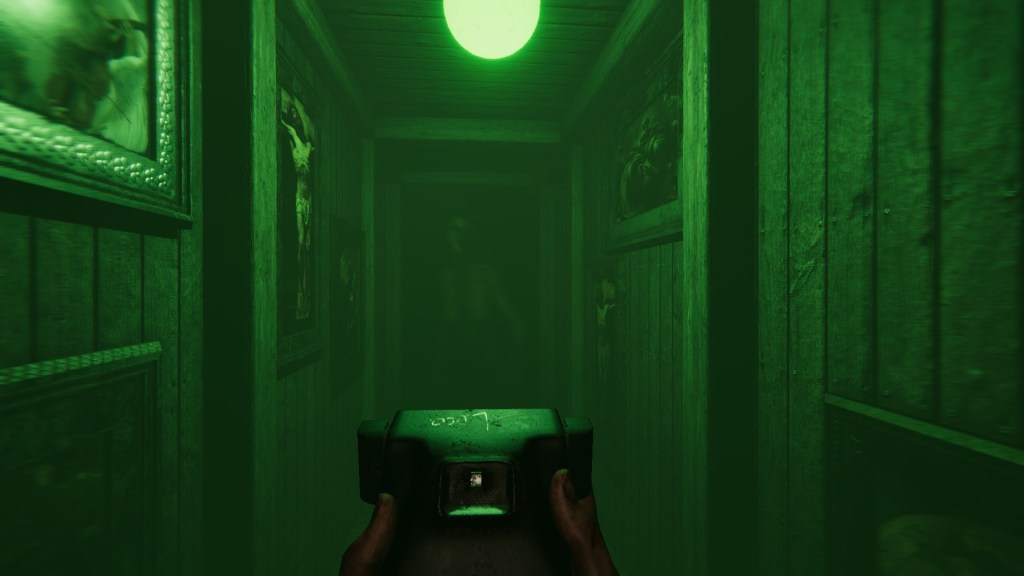
Unless you downloaded P.T. when it initially came out, you’re going to struggle to find many legitimate ways to play it, as it was delisted. There are several fan remakes, including one inside the PlayStation title Dreams, which is a sandbox platform.
There are some folks selling PS4s with P.T. installed on sites like eBay, but I’d advise against these listings unless you’re a collector, as they’re heavily overpriced and you may run the risk of being scammed. Buy with caution if you go down this route, and always check the reviews of the seller you’re considering.
Luckily, there are heaps of Hallscape games that can fill the P.T.-shaped void in your soul. Some P.T.-like games are beat-for-beat copies, just with less-effective scares and world-building, but others have equally entrancing gameplay loops and stories.
The game that’s considered to be a spiritual successor to P.T. is Visage, a first-person, atmospheric horror title from SadSquare Studio.
As a diehard horror geek, there aren’t too many games that get under my skin anymore – cliche thing to say, I know, but jumpscares get easy enough to predict if you consume enough horror – but Visage is still genuinely unnerving.
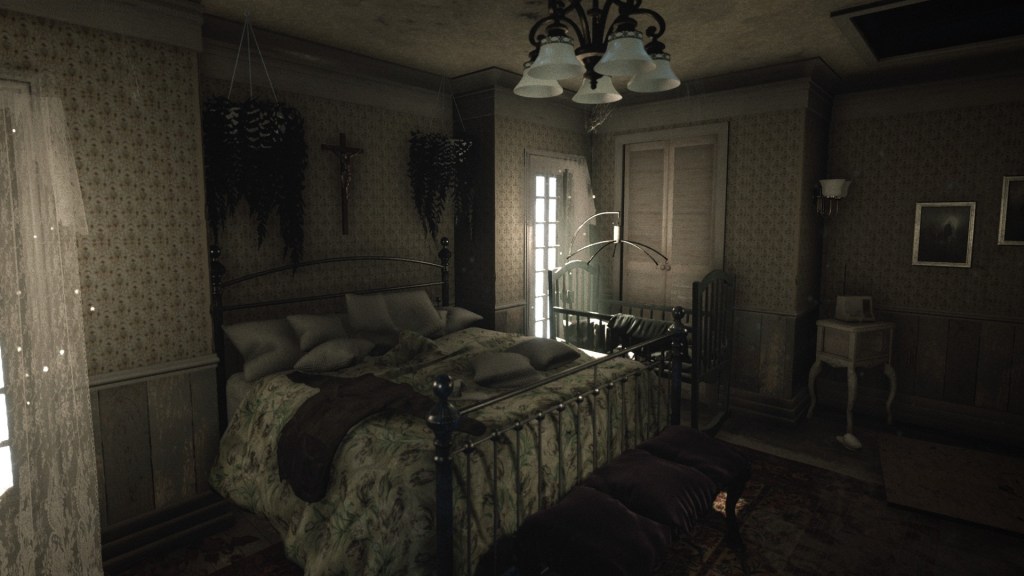
The story in Visage isn’t much to write home about; it takes place in a house where there’ve been scores of murders, suicides, and other traumatic incidents. Gameplay largely consists of walking through the house and solving minor puzzles or finding key items while scary things happen. So far, so standard.
The atmosphere, audio, and visuals are where Visage shines, though. This game is a must-play with headphones, as the audioscape is a masterclass in building tension and keeping the player on edge.
A similar Hallscape that’s worth experiencing is MADiSON, which follows the tortured path of a character named Luca, tasked with completing a terrible ritual and sewing together different worlds with the help of an instant camera.
MADiSON’s core feels similar to Visage – there’s a terrible house, where terrible things have happened, and terrible scenes unfold as you walk through it terribly slowly.
It’s still incredibly engaging, though, with some truly brutal scares, a slow-burning but interesting enough story, and some marvellous setpieces. If you’ve played Visage but not MADiSON, you may be missing out on a new favorite.
If, like me, you’re fascinated by P.T. and its influence on the horror scene, it’s worth digging into the Hallscape niche further. These games can be a little light mechanically, but what they lack in intensive gameplay, they make up for with deep, disturbing atmosphere, wicked sound design, and gnarly visuals.
FAQs
No, you can’t play P.T. anymore, unless you originally picked up the demo when it launched or want to purchase a console with the demo installed. There’s a fan remake available in Dreams on PlayStation.
Hallscape games are P.T.-like horror games that feature looping hallways, psychological horror themes, and a slow-burning, atmospheric type of horror.
Hallscape games were coined by Kyusai Media in 2026! I spent a good amount of time researching the term and similar phrases, but couldn’t find anything other than P.T.-like.
The scariest horror games include ROUTINE, Alien: Isolation, SOMA, Visage, MADiSON, and Silent Hill 2.

About The Author