Image credit: Sonic Team/SEGA
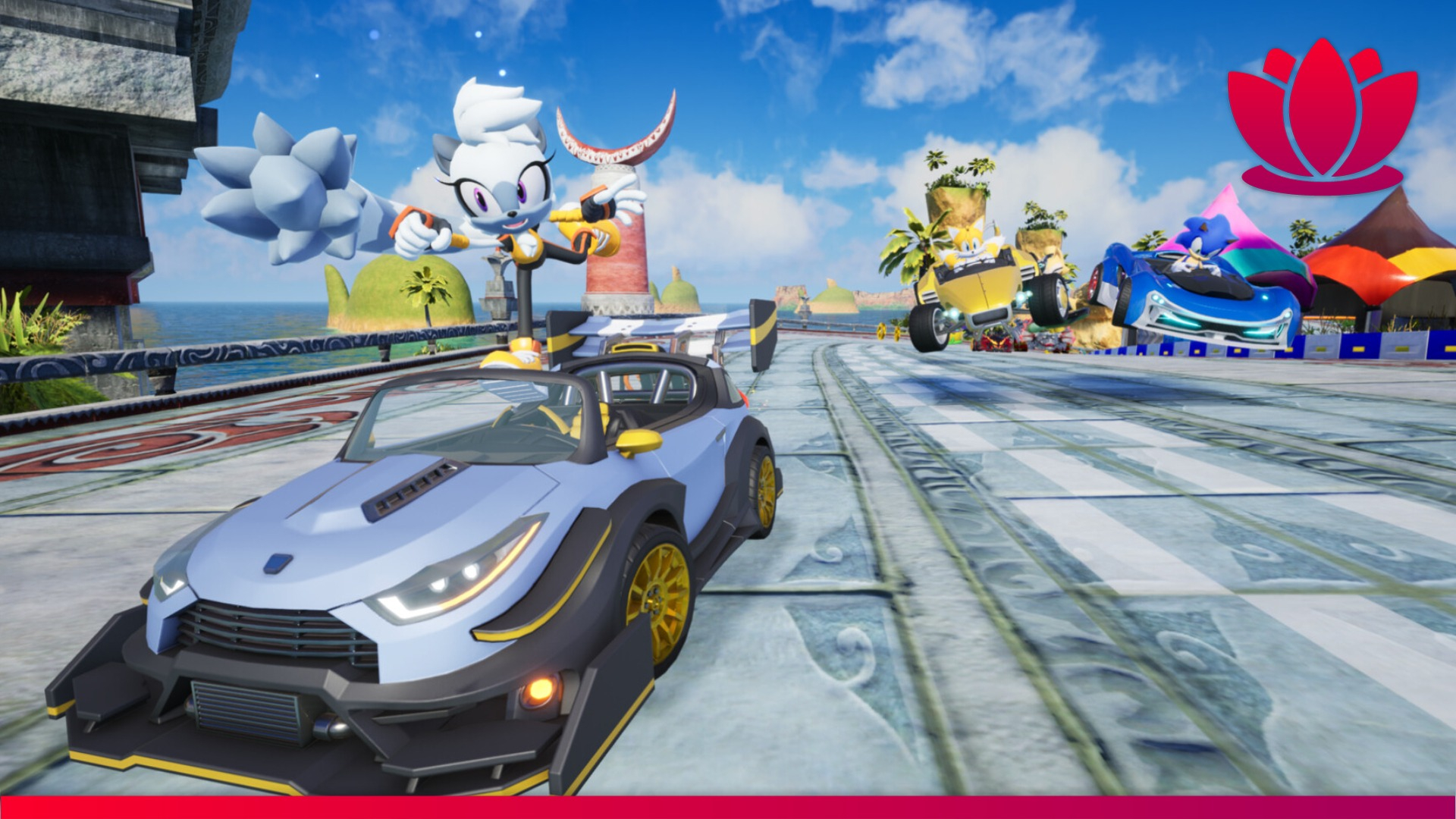
Going to gaming events is always a fantastic way to learn more about pop culture and the minds behind gaming’s most iconic figures. One of the highlights of Debug Games Festival in Norwich earlier this year was learning more about Sonic from Duncan Gutteridge.
Duncan Gutteridge is an artist and illustrator who’s best known for his striking airbrush artwork, including airbrush work for Sonic the Hedgehog 2’s promotional materials. He hosted a panel and live-drawing session at Debug Festival 2026, sharing what it was like to work on the iconic Blue Blur.
Becoming part of the SEGA team
Debug Games Festival 2026 took place in Norwich on April 25, 2026, celebrating the indie gaming community and retro gaming scene, letting pop culture enthusiasts and cosplay artists meet fellow fans.
I attended the event on behalf of Kyusai and had a delightful time, with one of the highlights of the event being Duncan Gutteridge’s panel and live art demonstration. He’s an illustrator and airbrush artist, with one of his most popular projects being the promotional artwork for Sonic the Hedgehog 2.
Gutteridge took the stage to answer questions about his work, all while working on a live pencil drawing of Sonic to showcase his skills to the audience.
The artist started by explaining how he’d ended up working with SEGA, saying that he had no background in gaming or character design, and that it’d purely been based on him being an illustrator.
“Like all good illustrators,” Gutteridge noted, “You have to be adaptable and apply your skills to a range of different subjects. It was a really great subject to get my teeth into.”

He shared that he had been familiar with the Sonic brand before starting to work with SEGA, but that his kids were more familiar with it than he was.
“Obviously, the gaming industry was quite different at that time,” Gutteridge mused, “and not quite such a big deal as it is nowadays. But, yeah, I did know about it, and it was exciting and a great opportunity, really.”
When asked about how his children had felt about him working on Sonic artwork, he shared that they’d been thrilled – particularly when a SEGA Mega Drive got thrown into the mix. Gutteridge joked that, while the console had been there for his references, he didn’t end up seeing much of it.
Thriving as an illustrator

Looking at his artwork and how long a project typically takes from concept to finished piece, Gutteridge noted that the process was generally quite complex for game artwork.
“You go through a process of visuals, of rough ideas for the client, first of all,” He noted, “Usually two or three drafts, perhaps, until they’re sort of happy with it. And then the actual process itself took about a week to actually do the artwork.”
Gesturing to the pencil sketch on the easel next to him, Gutteridge described the act of pencil drawings as being relatively quick, but that his original pieces would take a week or so to work on, particularly as there hadn’t been any undo buttons “in the day” for him to use at the time.
Airbrush artwork has always seemed like magic to me as an observer who’s never tried it; it’s a meticulous process that requires patience and precision, so being able to achieve super fine details and an almost mechanical accuracy with the tools of the trade is astounding.
Despite joking that it can be “very frustrating” and quite time-consuming work, Gutteridge still spoke about the process with a clear reverence.

The host stopped to check how many audience members were Team Sonic and how many of them were Team Mario; the room was almost exactly split in half between the two titans of the gaming world.
As the panel came to a close, Gutteridge mused on which IPs he would’ve loved to work on, picking out Clair Obscur: Expedition 33 and saying that he loved the imagery in the widely acclaimed 2025 release.
He also highlighted Arkane as an option here, praising the animated show and saying that “that would’ve been a dream, the artwork on that is amazing.”
As a video game geek, getting to learn more about the minds behind the artwork and iconic characters with cult followings is always a dream. If you’ve not attended an event like Debug Festival before and you’re a fan of video games and retro gaming artwork, it’s well worth your time to do so.
FAQs
The best Sonic games include Sonic Mania, Sonic Adventure, Sonic the Hedgehog 2, Sonic the Hedgehog 3, and Sonic the Hedgehog.
Generally, the term ‘big three’ for the Sonic franchise refers to Sonic, Tails, and Knuckles.
The most iconic video game characters include Sonic, Mario, Master Chief, Lara Croft, Pac-Man, Pikachu, Crash Bandicoot, and Link.
No, not every Sonic game is a platformer. There are action-adventure games and RPG-adjacent titles, plenty of racing games, and even fighting games. The Sonic franchise has inspired plenty of indie games, too.

About The Author