Image credit: Em Stonham for Kyusai Media/Studio Doodal/SHINSEGAE INFORMATION and COMMUNICATION Inc.
Solateria is a magical Metroidvania with hand-drawn art and an enticing world that begs to be explored. As a massive Metroidvania geek, I couldn’t wait to dig into this game once I saw it flutter across my desk, hoping it’d stack up to my favorite titles in the genre.
If you’re intrigued by the whimsical world and parry-based combat that Solateria offers, you’ll find Kyusai’s full, spoiler-free review below, looking at everything from the style of play to the dreamy atmosphere that runs throughout the game.
An enticing world
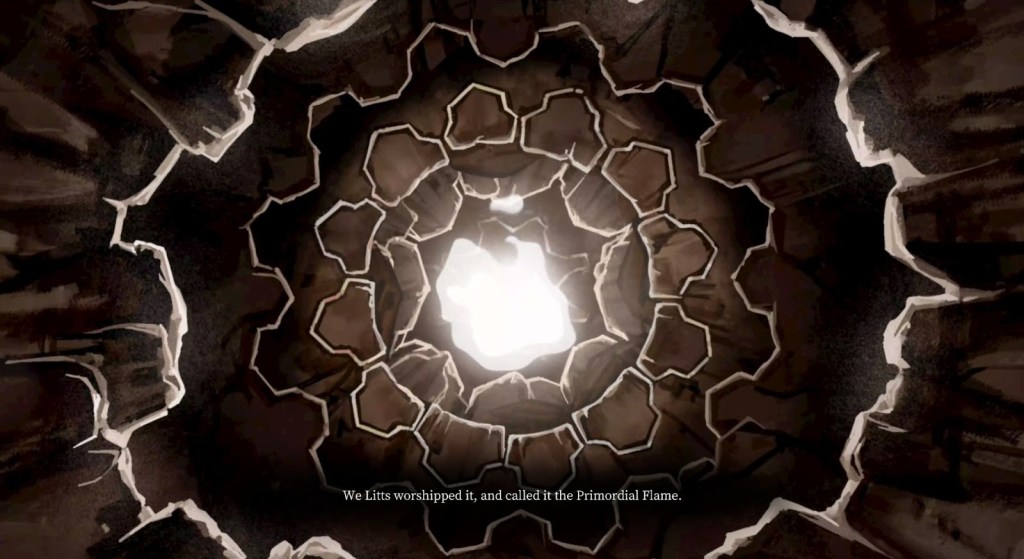
In Solateria, you play as a tiny, fiery warrior who’s on a quest to find the missing King, with the core aim of saving the world. No pressure. The world of Solateria is under threat from the deadly Shadow Plague, meaning your quest to save it will be laden with tricky battles and formidable foes.
The core gameplay is what you’d expect from an action Metroidvania; you’ll explore an area, tangle with mobs, and gather up items before taking on bosses to help unlock new zones. There’s some platforming involved, too, but the two main focuses are exploration and combat.
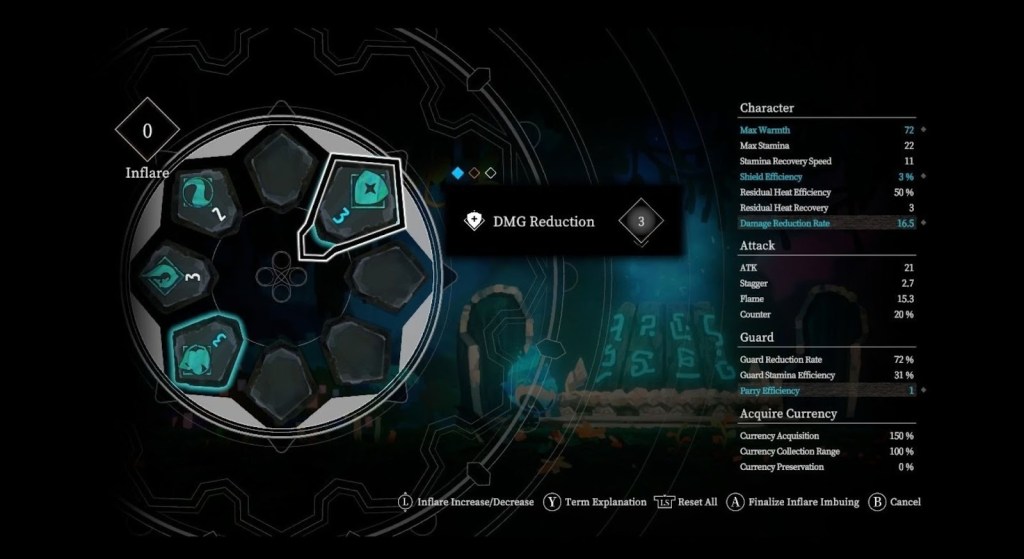
There’s a detailed customization system on offer in this game, letting you equip special Parts and enhance your Core Stones – essentially stats – to make gameplay smoother. There was plenty of room to experiment with creative builds here, as Core Stones and Parts could be adjusted regularly at shrines with ease.
Something I adored about Solateria is how much lore there is to uncover. You’ll come across memory fragments and tablets while exploring, and you’ll be able to chat with NPCs as well, uncovering more about the strange overworld and all-consuming Shadow Plague.
I felt rewarded each time I stepped off the beaten path in Solateria – as a long-time Metroidvania geek, this is an absolute must for games in the genre.
Metroidvanias need to let players feel they can backtrack and explore secret paths without losing progress, and Solateria did so with ease. I never felt like I’d wasted any time by backtracking or checking out a path hidden by a tree branch; in fact, I often came across a bundle of resources or an extra enemy to tackle.
Unlocking new areas and boss fights always felt rewarding for the pure spectacle of it all, too. Solateria features hand-drawn art, and each new visual element feels meticulously crafted. In today’s generative AI-swamped gaming landscape, it felt refreshing to play through a game that’d evidently been made with love.
Engaging, parry-based combat

I’m always a little hesitant to mention other games and franchises in my reviews, as it can sometimes feel like I’m taking the spotlight away from the titular game.
However, it wouldn’t feel right not to point out how much fun Hollow Knight and Nine Sols players will have with Solateria. I’m rabidly obsessed with both titles and found the essence of both to be wrapped up in this game, both in its aesthetic and its play style.
There was a moment where I loaded into Solateria for the first time, looked around in the tutorial, and felt utterly gleeful thinking about the journey that awaited me, similar to how I felt when I played Ori and the Blind Forest and Hollow Knight: Silksong for the first time. The world felt like it was bursting at the seams with potential.
Solateria didn’t feel quite as challenging as some of its predecessors, but that’s not to say it didn’t present any difficulty. In fact, the game had a pleasant difficulty spike, with a combat system that demanded mastery and four separate difficulty options to choose from at the start of a run.
Combat is the highlight of Solateria, with parries being at the core. Almost every boss and enemy can be parried, leaving them vulnerable to special attacks. It requires a good sense of timing and pattern recognition.
Visually, Solateria was mesmerizing, and I found exploring the game world to be a delight. I completed this review on PC and Steam Deck and found that the game looked stellar on both platforms, with smooth performance.
If you’re a Steam Deck fan, this is a game you’ll be able to enjoy on the handheld. The controls did feel a little fiddly at first after playing for a while on PC, but once I’d gotten the hang of them, combat and movement felt just as fluid as they did on PC. I actually preferred it to the keyboard controls, finding this setup more responsive.
Solateria is a charming game, with an interesting story and rich combat system that’ll go down well with Metroidvania lovers. It’s worth exploring even if you’re not necessarily a fan of the genre. However, there are multiple difficulty options available, which expand the game and allow for a more relaxed experience.
FAQs
Solateria was developed by Studio Doodal and published by SHINSEGAE INFORMATION and COMMUNICATION.
Solateria is an action-packed Metroidvania that focuses on exploration and parry-based battles, with plenty of punchy boss fights.
Solateria is difficult in places, yes, particularly if you’re playing on a harder difficulty level. It requires a good understanding of the combat mechanics; if you don’t take the time to learn them, you will be punished by the game.
The best games that are widely considered to be difficult include Bloodborne, Hollow Knight: Silksong, Elden Ring, and Nine Sols.