Image credit: Em Stonham for Kyusai/Blukulélé/Sidekick Publishing/Stray Fawn Publishing
Every time I think indie developers have run out of ways to surprise me as a roguelike geek, a new release always ends up proving me wrong. The roguelike genre is busy, admittedly, but there seems to be no end to the fresh spins that folks take on the format staples.
Such is the case with Gambonanza – a weird and whimsical chess roguelike with everything from eye-popping bosses to Gachapon machines. Let’s go gambling! Here’s Kyusai’s full review of Gambonanza, completed on PC and Steam Deck.
Tiles of turmoil
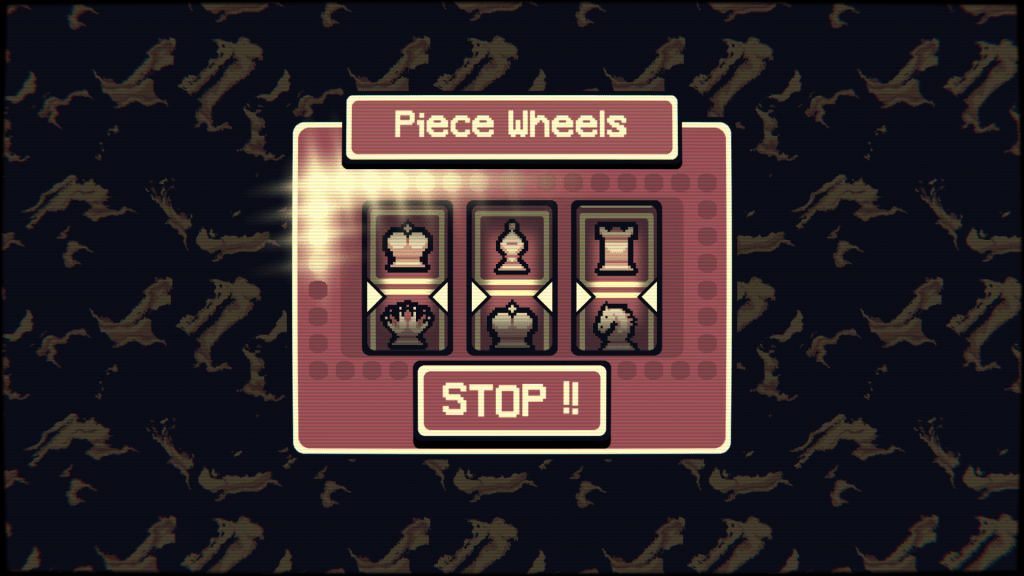
Gambonanza is a chess roguelike that blends elements of gambling, strategic turn-based gameplay, and a nearly deck-building style of play.
In Gambonanza, you’re tasked with defeating an opponent by capturing their chess pieces on a small board. To capture a piece, you’ll need to use your own to move forward and land on them, following the standard rules of chess for your movements, e.g., pawns moving forward by one, bishops moving diagonally.
If a piece is captured on either side, it crumbles to dust and – with a few exceptions – cannot be used again. This makes thoughtful movement even more important, as capturing an enemy’s pawn may put you at risk of being caught by their rook, for example.
Getting a piece to the other end of the board will let you promote it, changing it into another type of chess piece. A pawn can become a knight, for example, which is pretty impressive in today’s job market. This promotion system can help rebalance the scales in your favor in a tricky match.
There are several stages tucked into each game in Gambonanza, meaning you’ll have multiple opportunities to experiment with builds. If you end up running into a stalemate – this was surprisingly common in my review sessions, for some reason – there’ll be three opportunities to reset.
The chessboard in Gambonanza has two key qualities: it’s tiny, and it’s out to get you. Not only will you lose chess pieces if an enemy captures them, but you can also lose them if a chessboard tile starts shaking and drops down into the void.
I loved the addition of environmental hazards. While there were a few frustrating moments where I’d not paid attention to the shaking tiles and ended up losing to the infinite void below, it did add a nice level of extra strategy into the core gameplay loop.
As you progress in Gambonanza, you’ll be able to purchase new chess pieces and invest in gambits. Gambits aren’t playable pieces, but they enhance your gameplay and build, changing everything from how your pieces work to the very tiles on the chessboard.
The boss rounds were a highlight of Gambonanza for me. Each boss had a different playstyle, with some having special movements and others changing how the board felt, and they all looked incredible, too.
They put Gacha in my chess game
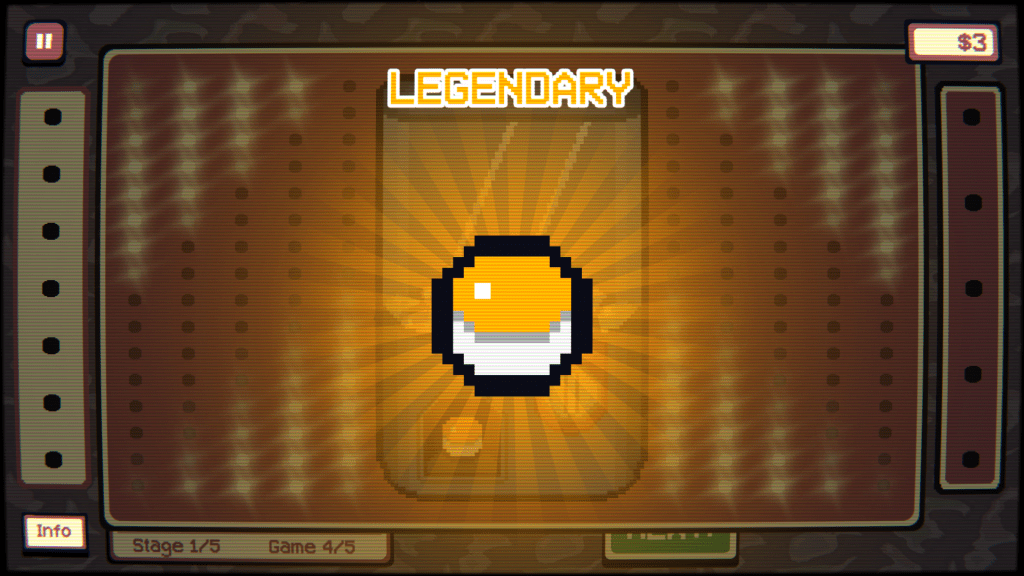
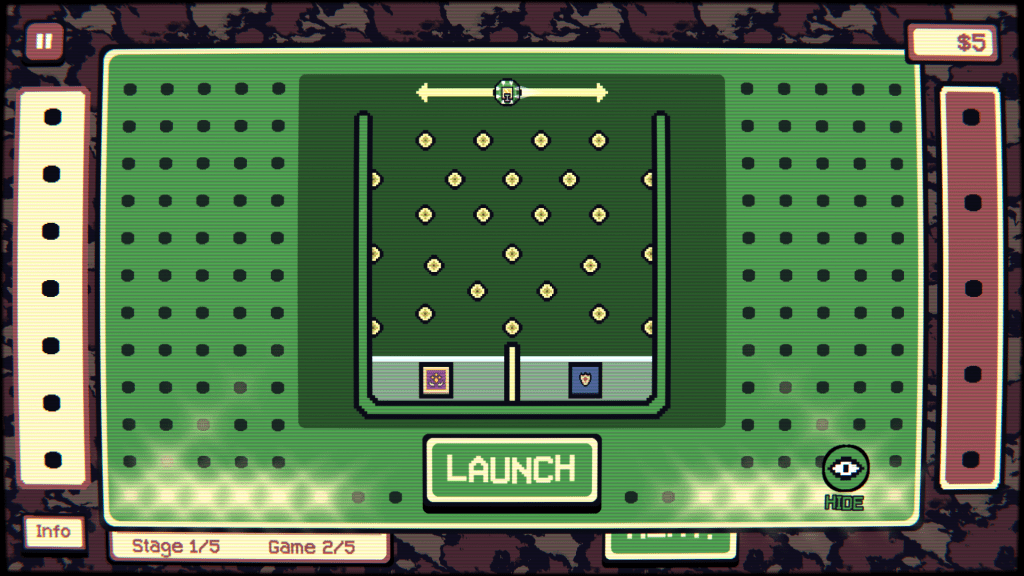
One of the best things about Gambonanza for me was the variety of mini-games interspersed throughout. These were bite-sized encounters that ranged from a tiny pachinko machine to slot machine spins, each with gorgeous artwork and animations.
As a long-time Gacha geek, I was incredibly excited to see a gachapon machine pop up as one of the mini-game focuses. Did I expect to see this in Gambonanza? Not at all, but it was a delightful surprise.
The addition of mini-games and the wide variety of boss rounds helped keep Gambonanza’s gameplay loop interesting and kept me coming back for more.
The one place where I felt the game lost me a bit was with the destruction of captured pieces. As noted, losing a chess piece means it’s gone forever, unless you’ve used a perk like the Blessing Tile, which could be quite demoralizing if I were on a run where I’d invested a good amount of time into my build.
It incentivized me to play mindfully, sure, but it also pushed me to focus solely on the numbers with my pieces rather than get too attached to a particular setup.
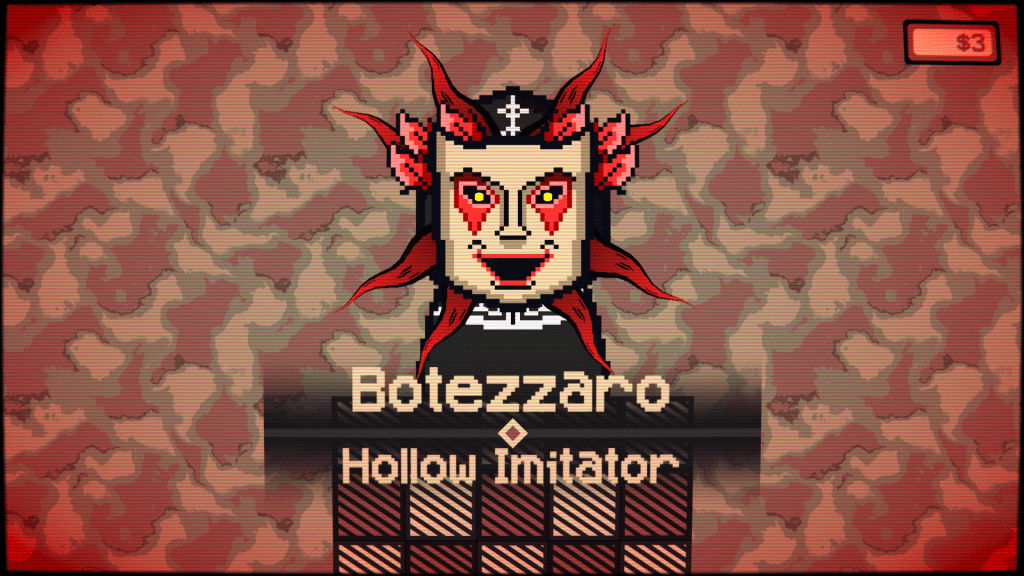
Outside of this minor grumble, I did have a blast playing through Gambonanza, and I found the art style to be a consistent highlight. The combination of a pixel art aesthetic and a CRT filter made the game feel oddly cozy, and each sprite felt like it’d been crafted with care.
In terms of performance, I found Gambonanza to be smooth and polished, with no quirks, bugs, or glitches during my time with it. Picking up the game was intuitive, despite my lack of chess knowledge, and the player experience was pleasant overall.
I completed most of my review on PC, but I can confirm that Gambonanza plays beautifully on a Steam Deck, too. The controls line up nicely on the handheld, and performance is just as smooth as on PC.
If you’re a chess lover or a roguelike geek looking for something new to play, Gambonanza is worth a spin. It’s a fun and unique title with a stylish aesthetic, memorable boss designs, and a solid overall player experience.
FAQs
Gambonanza is a strategic chess roguelike that includes elements of arcade games, turn-based tactics, and deck-builders.
Gambonanza was developed by Blukulélé and published by Sidekick Publishing and Stray Fawn Publishing.
No, you don’t need to be good at chess to play Gambonanza.
The best roguelike games include Balatro, RACCOIN: Coin Pusher Roguelike, Hades II, Darkest Dungeon II, and Ballionaire.