Image credit: Balor Games
After Humble Games’ July 2024 restructuring led to the layoffs of 36 staff, the newly established indie publisher Good Games Group reportedly stepped in to help. Established by Alan Patmore and Mark Nash, former general manager and former global publishing VP of Humble Games, the group supported the titles previously released under the Humble Games label.
Now, the indie publisher has rebranded as Balor Games, acquiring the entire Humble Games back catalog of games and that of previously closed Scottish indie games publisher Firestoke Games.
With these acquisitions comes a brand-new goal: to discover new indie games and build a community for them. Kyusai spoke to Alan Patmore, CEO, and Mark Nash, COO, of Balor Games to learn more about the new developments
A new home
“We already had a relationship with 40-odd developers,” Patmore begins.
We were continuing the relationship that we built while we were at Humble Games with these developers.
So for us, the Good Games group was an evolution of the work that we did at Humble Games, and then Balor Games is the full realization of that vision.
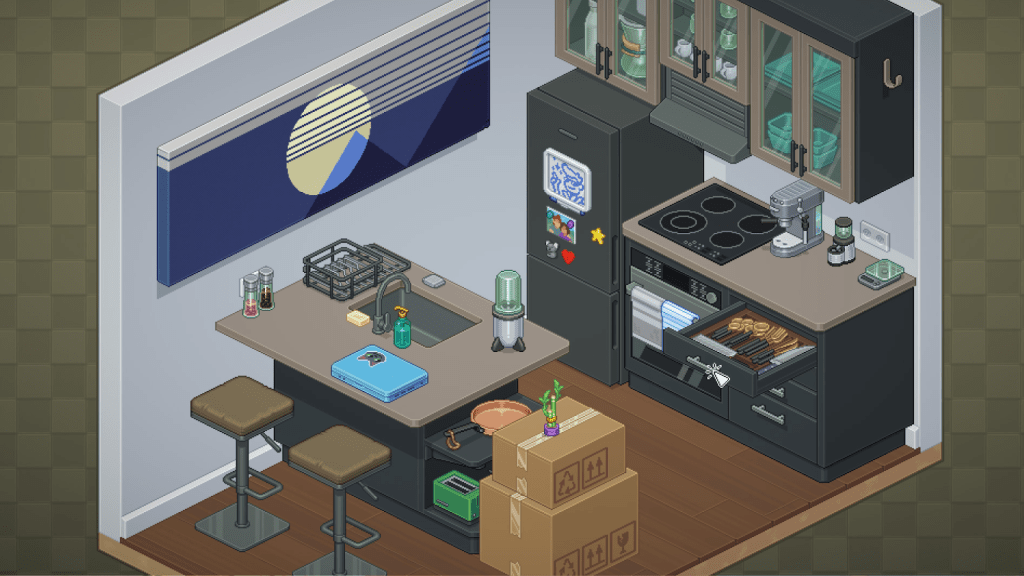
We have a really diverse, high-quality catalog of over 60 games that we continue to shepherd and support. We have a portfolio of over seven games at this point that are in development and are going to be launching this year and next year, and we’re looking to invest in new titles as well.
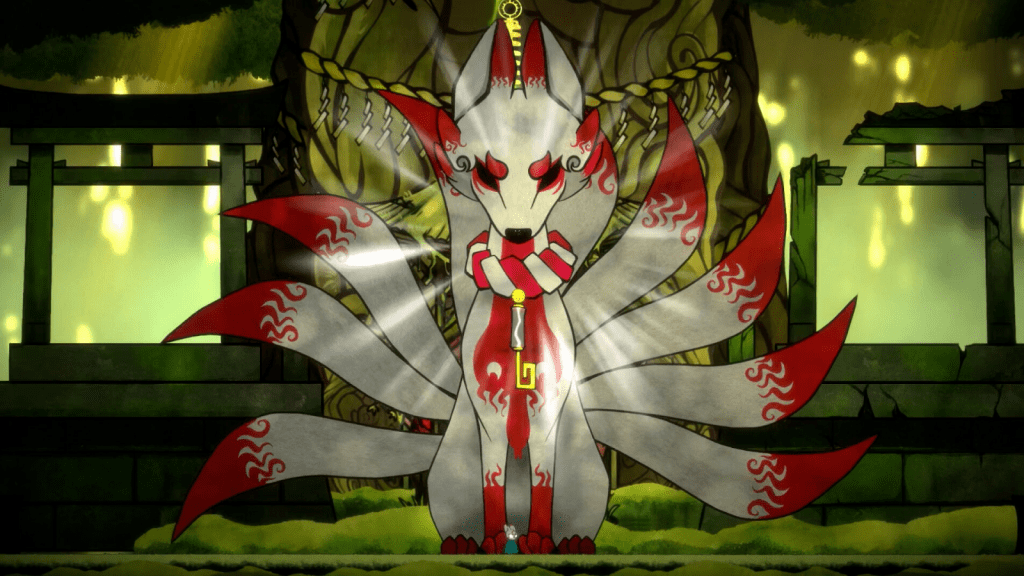
This new indie catalog includes highly anticipated indie games, such as 3D musical platformer Billie Bust Up and sprawling RPG Threads of Time.
Acquiring two diverse back catalogs of games gives Balor Games a strong head start, one that lets them support more indies and stay ambitious. With thanks to Nash and Patmores active search for creative new indies, the catalog looks only to expand in the near future.
A bespoke vision
The key to realizing indie developers’ visions is first to understand them. “Ultimately, these conversations come from belief in a creative team’s vision,” Nash begins.
We want to believe in their vision. That’s what we ultimately tell any team before we worry about the specifics of the support or budgets or the commercial aspects of the game. We want to understand the game and their creative vision. If we believe in it, we want to be able to back it fully.
Supporting these visions means offering a bespoke publishing service that adapts to each title that Balor publishes. Indie games continue to offer some of the most diverse gaming experiences in the video game space, and offering different levels and styles of support for each game means Balor could keep inspiring this diversity.
“Every game is different,” Nash elaborates.
There are different players of those games, and they need different things to be successful. So one of the things that’s really important for me and Alan, as we’ve been doing our previous work and as we’re moving forward with Balor, is ‘how do we provide that flexibility to those developers and to those studios?
We had a lot of conversations when we were first founding Balor about making sure we weren’t a one-size-fits-all publisher. That’s the message we want people to be able to hear with our announcement today.
Communities to rely on

This bespoke publishing approach is only possible with the backing of strong communities that champion these imaginative indie titles. These communities form around games that raise important points of discussion, and it’s these thought-provoking, exciting titles that Balor Games will keep an eye on.
We’re coming into this with a recognition that those teams, those games, those projects, need different things. An audience for one genre of game or one platform of game may be accessible through a particular channel that may not be available to you in a different way.
We’re looking for games that have a social aspect to them, and that doesn’t necessarily mean multiplayer, but games where communities can form, where there’s something discussion-worthy, debate-worthy, around the creative vision of the game. And we feel like the strongest way to kind of enable discoverability of those titles is to foster a positive community.
Nash describes how building community isn’t dependent on a game’s already established following. “We’ll certainly sign projects that are not announced in the future as well and be part of the journey to announce them. So it’s not necessarily a requirement that the developer comes up and says, “Look at my TikTok followers, or look at my Reddit mentions.”
Nash poses the question:
Do we believe that the game has the potential to achieve those things with our help, right, and with the developers’ effort as well? And if we believe in that, then that’s when we’re willing to engage.
Some advice I got early in my career was that your feedback is a gift, and if you can build a community around your game, you’re going to get a lot of those gifts.
Specialist reinforcement

Balor Games targets success for the titles it publishes by nurturing these committed communities around each game. It seeks to do so by leaning into their strengths, with a tailored approach for each game and by partnering with external partners who can best meet each game’s specific needs.
As Patmore puts it:
Every developer is different. It’s a very, very diverse group of developers we work with. But we built our organization to be able to provide support in different ways to different developers.
“We’re bringing in external partners to help us across an array of services from marketing to publishing services to co-development,” adds Nash.
So we’re able to diversify our team and our team’s experiences with people who have maybe worked with a more specialist function within that particular genre of game or type of game.
Nash elaborates on the benefits of this approach for both the games and the publishing label. “That allows us to keep learning from other people, while at the same time making the right judgments and decisions about what projects we support and how we support them.”
“We have a very diverse portfolio of products, and our developers all have different strengths and weaknesses,” Patmore agrees, highlighting the difference between older publishing labels and the more modern approach Balor Games is set to take.
“The publishing model of old was like, you have a publishing organization put the games into the machine of that publishing organization,” Patmore explains.
If we don’t have expertise in a particular area, we wouldn’t have had the ability to help as much as we could.
Patmore states that:
This new approach that we have, this more bespoke publishing, allows us to lean in to where developers need the help the most and to provide them with expertise in those areas.
Balor Games is banking on this bespoke approach benefiting all collaborators involved in the publishing of games under its label. As Patmore puts it:
That’s really the kind of shift in how people are operating that will definitely benefit everybody, especially the developers.
Through communication, collaboration, and community, Balor Games seeks to become synonymous with high-quality indie titles with strong communities. Their strong start and strong vision suggest a promising future for the Balor Games label, and one that could see it reach these high aspirations.
FAQs
Balor Games launched on March 4, 2026.
Balor Games is billed as a “Triple I” company, providing major label backing for smaller, independent releases.
Balor Games is owned by Good Games Group, which was founded in 2024, and is operated by Alan Patmore and Mark Nash.

About The Author