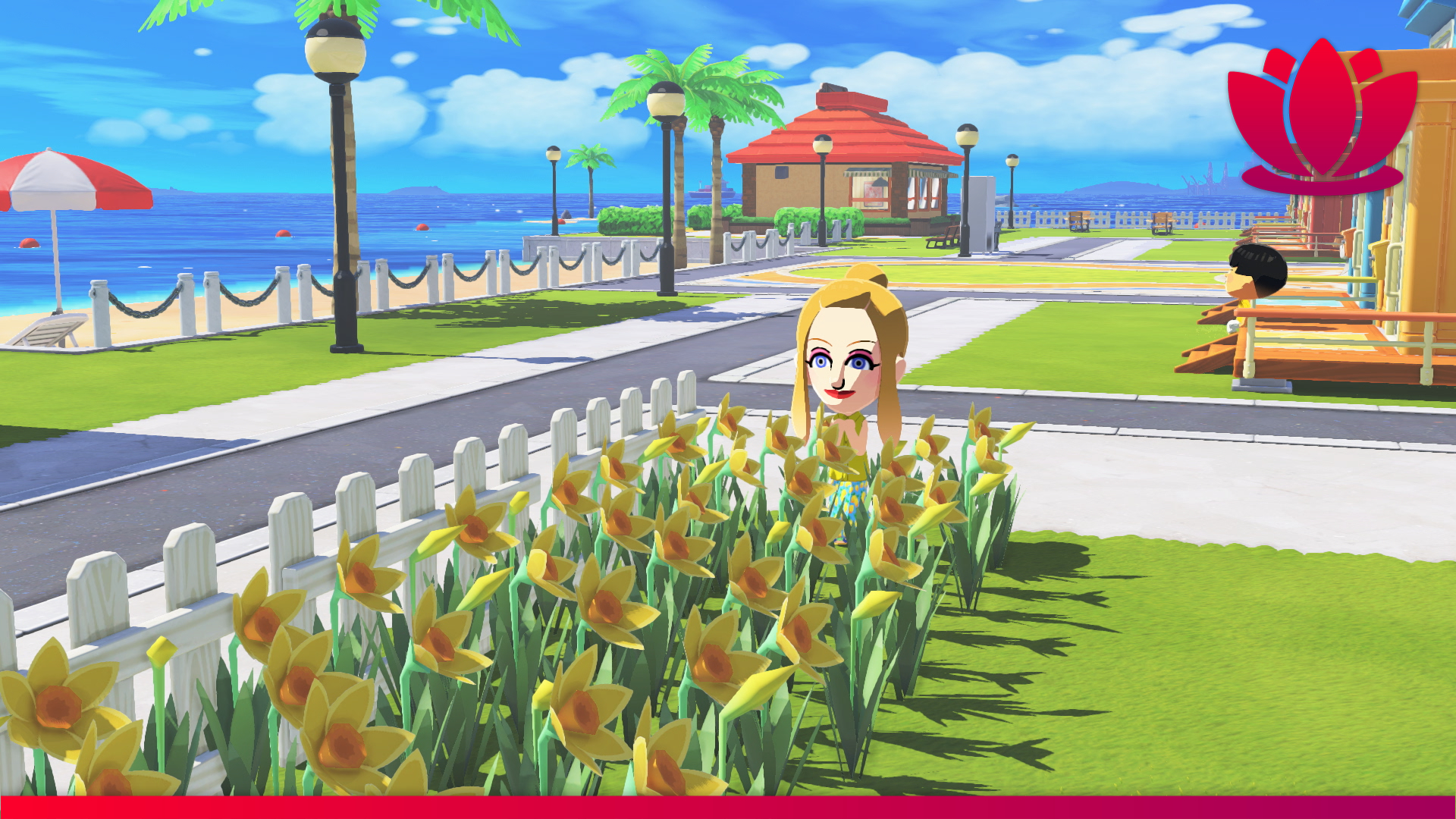
Image credit: Nintendo
I enjoy Tomodachi Life: Living the Dream so much that I could ice skate with it. It’s this brand of absurdist and unhinged humor that fills this brand-new life stimulator for the Nintendo Switch, and it’s one of the most self-indulgent games I have ever played.
Much like Animal Crossing: New Horizons, this is a title that hinges on your own creativity. When I’m given a creative outlet to make something my own, I make it all about one of my favorite games, The World Ends With You. So let’s follow the life of its protagonist, Neku, in Mii form, as he lives life on an island filled with hijinks, mishaps, and hilarity.
Unli-Mii-ted customization

We begin on a deserted island in need of life, and that’s where you come in. As the island’s caretaker, it’s your job to populate the island with your very own Miis, Nintendo’s iconic customizable mascots, and help them navigate their chaotic daily lives.
Unlike the simpler Mii creation systems in older Mii-centric games like Wii Sports, the Mii customization process is one of the most important parts of Living the Dream. I found making a Neku Mii easy thanks to the extensive customization options, and spent hours exploring the Mii creator to make other Miis based on friends and family. For Miis that need more detail, the facepaint system lets you draw on specific features to make them feel even more like themselves.
The biggest drawback of this system is the lack of mouse support on the Nintendo Switch 2. Although you can use the touchscreen for this facepaint system and in other situations, mouse mode could greatly enhance the experience.
Creating up to 70 more of these Miis is key to unlocking the island’s many shops, facilities, and features. Although the island began with a supermarket, I soon found a clothing shop where I bought Neku a suitable jacket. Many other places unlock in the early game, like an interior shop with different custom rooms for your Miis or a restaurant where Miis can gather to talk about life and serve up some questionable cuisine.
The most impressive is the studio workshop, which lets you create anything from food and pets to house interiors and buildings. I found myself using it all the time to recreate a jacket I own in real life and a stuffed toy of Mr.Mew (also from the World Ends With You). Moments after I give it to him, my Mii ends up fighting him over it as they each try to claim it.
The more the Mii-rrier
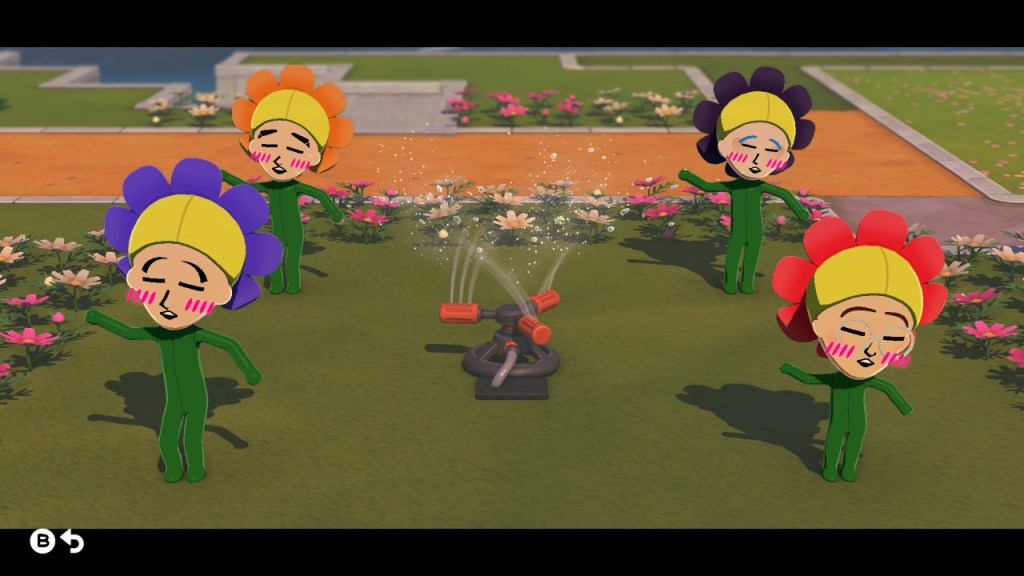
As long as you get creative by designing different items, then you’ll find yourself watching these hilarious scenarios play out naturally. From questioning how to eat Brussels sprouts to being beamed up by a UFO, Miis always find themselves in chaotic situations that are made hilarious when it’s friends, family, or characters you know.
The Mii characters all need different help throughout the day, and lending a hand is all worth it for the materialized gratitude of your Mii characters. Also known as warm fuzzies, these are used to increase your island’s rank, granting you wishes like extra presents to give to Miis or more types of home interiors.
The wishes I found myself granting the most were “little quirks”, fun traits for the Miis that you can give to Miis to make them go about their daily lives differently. Whether it’s a spring in their step as they walk, a smaller appetite, or, in the case of my Neku Mii, greeting people like he just doesn’t care. Small changes like these go a long way toward making every Mii feel unique and tailoring the experience to each player.
That’s why it’s a little disappointing that Miis, videos, and photos can’t be shared between Nintendo Switch consoles. The sharing restrictions are entirely understandable, but it does make me hopeful that there will be an update that lets people share their creations. Even if everyone’s Miis roster is personal, this experience feels meant to be shared.
Chaotic dyna-Mii-cs
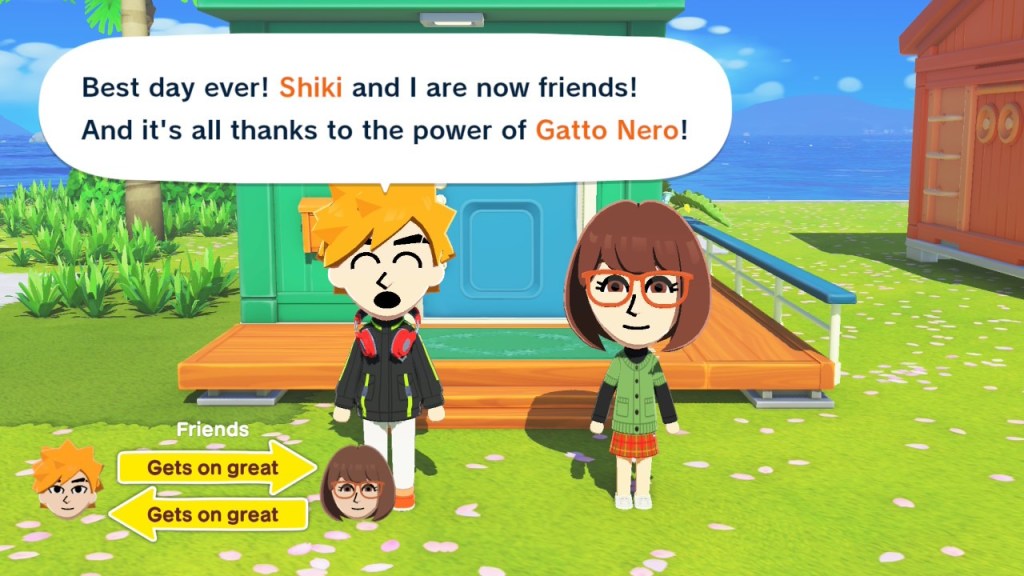
So my Neku Mii remains purely on my island, and he has plenty of little problems that I need to help him with. The most significant of these problems concerns his relationships, specifically with another Mii of mine, Shiki. I gave Neku some convincing words to say to bring them closer together, words which were also added to my island’s dictionary. Soon enough, the two became friends, fell out, became friends again, and now live together in the same house. Given how quickly their relationship is changing, I don’t doubt they’ll have a different dynamic when I log back on after writing this.
Mii Neku’s other requests for help are smaller, like clearing his mind and feeding him when he’s hungry. This also goes for the many different minigames he’s asked me to play, such as red light green light or spin the coin. But after just a few days of playing, he had already made friends with everyone on the island and asked to play the same minigames three times, prompting me to try and find more ways to make the Island a chaotic place to live.
This is where your island’s layout, as customizable as your Mii characters, keeps things engaging. The more you level up your island, the more space you have to place down items like these and turn your island into a playground full of your wildest ideas. My Neku Mii often finds himself in the cherry blossom garden I created, or looking like he’s about to fight the giant pyramid at the back of my island.
More island decorations for your Miis to interact with means witnessing even more hilarious scenarios. While witnessing the same scenarios a few times over does run the risk of feeling repetitive, popping in every so often to solve a few problems, give Neku a gift, and then checking back later was the ideal way to fend off any fatigue.
A personal laughter

While Tomodachi Life for the 3DS felt like Nintendo’s own brand of humor, Living the Dream feels like it’s made based on your own. Just as I chose to make Neku, it’s best experienced by adding Miis and jokes of all kinds tailored to your interests.
Because Tomodachi Life: Living the Dream is much more customizable than its 3DS predecessor, and it’s this customization that puts it a step above. Indulging in the freedom it gives you will let you see all it has to offer and then some, and it feels like the kind of game that will still hold secrets for years to come.
If you’re as self-indulgent as I am when playing, then you’ll no doubt be living the dream. We all have different dreams after all, and Tomodachi Life: Living the Dream lets you live them as long as you dare to make them come true.
FAQs
Yes, unlike the first game, Living the Dream gives you the option of having same-sex relationships, marriage, and non-binary characters this time around.
Tomodachi Life: Living the Dream is made and released for the original Switch console; however, it’s fully playable on Switch 2 via backward compatibility.
You can have a maximum of 70 Miis on your island in Tomodachi Life: Living the Dream. While this is lower than the 100 Miis of the 3DS original, the Switch sequel offers new user profiles and multiple islands as well.
The Tomodachi Life: Living the Dream release date was April 16, 2026.