Image credit: TiMi Studio Group / Capcom
Monster Hunter on mobile is a concept with a haunted history. There have been attempts before, none of them particularly memorable, most of them leaving the series’ core audience feeling like the things that make Monster Hunter worth playing had been the first casualty of the port.
After participating in the second closed beta, I am cautiously excited to say that Monster Hunter Outlanders feels a lot more true to the franchise.
Punchy and confident
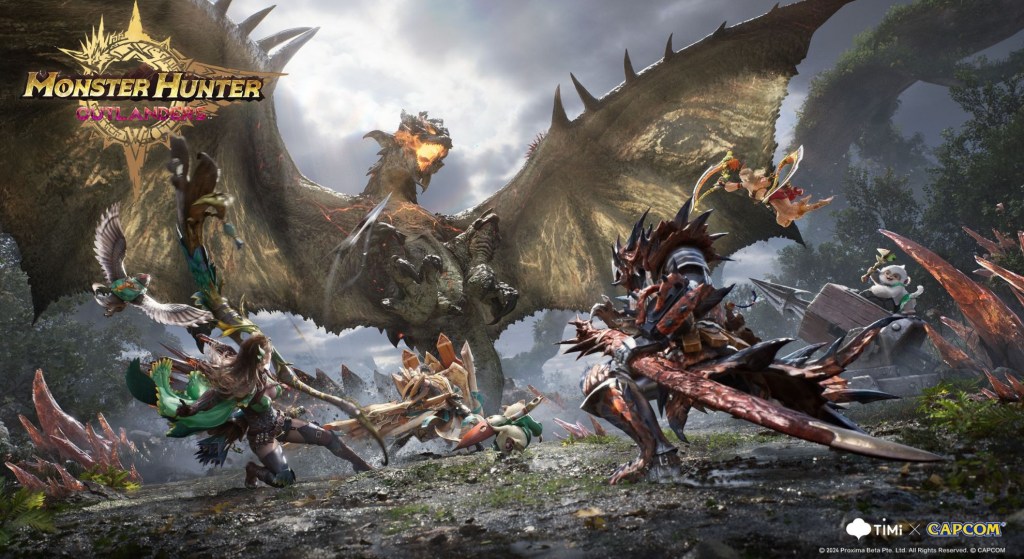
The Outlanders prologue does a solid job of establishing stakes without overstaying its welcome.
After spending some time with the character creator, which is surprisingly thorough, you arrive by airship, a Rathian attacks a coastal village, you dive out of the sky to intervene, and within minutes, you are in combat with an enraged wyvern through jungle brambles.
It is punchy and confident, and it trusts that you are there to hunt rather than to watch cutscenes.
The story setup – investigating a mysterious phenomenon called the Aurora, building a base from a rescued village – is thin enough not to get in the way and substantial enough to give the world a reason to exist.
Aesoland itself is genuinely impressive for mobile. The open world holds up visually, the monster design is recognisably Monster Hunter, and the animations carry real weight. This looks like the franchise. It moves like the franchise. That alone puts it ahead of most mobile translations of beloved series.
The combat question
Here’s where things get complicated. Classic Mode, which is what any returning Monster Hunter player will immediately reach for, is the right instinct but an imperfect experience. The moves are there. The weapon identity is intact. Playing Long Sword, the familiar rhythm of advancing, baiting, and countering is all recognizable.
The touch control execution is the persistent friction. The Iai Sheathe on Long Sword requires holding an on-screen button, releasing, and then pressing again to trigger the counter, which runs against every instinct built by the mainline games, where the timing of a release is the input.
Great Sword’s tackle feels awkward to land mid-combo purely because of where the button sits on a flat screen compared to a controller’s physical buttons. These are not catastrophic problems. They are the kind of problems that make you acutely aware you are playing on a phone, which is precisely the feeling a good mobile adaptation tries to eliminate.
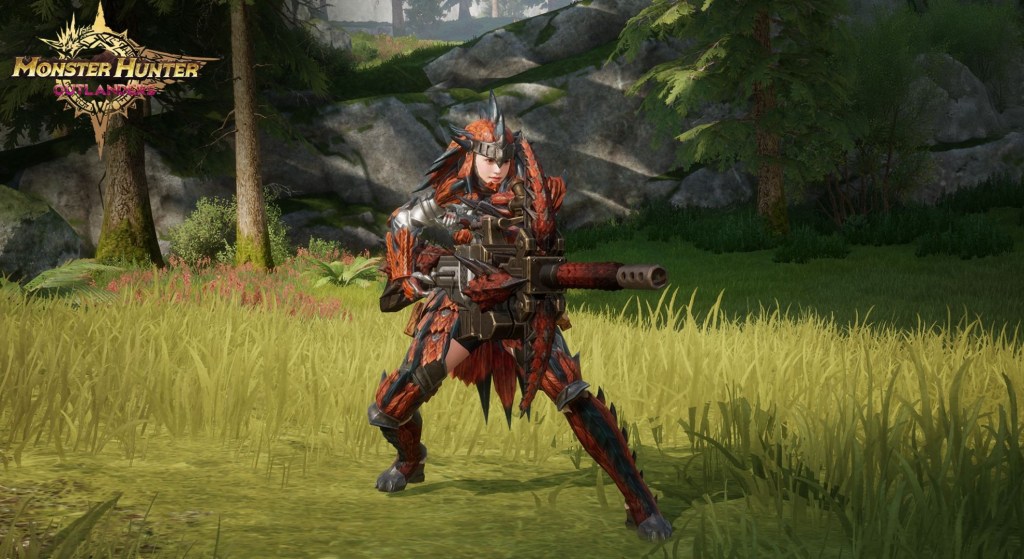
Adventure Mode handles this differently by leaning into auto combos, which solves the accessibility problem by removing the depth entirely. For new players, that is a reasonable trade. For anyone who came to Outlanders because they wanted Monster Hunter‘s actual combat system in their pocket, it is a deflating alternative.
The answer to this, clearly, is controller support. Its absence is the single biggest practical issue with the game right now, and the developers’ refusal to confirm whether it is coming – or whether a PC client is in the picture – is the most uncomfortable silence in the whole project.
The gacha reality
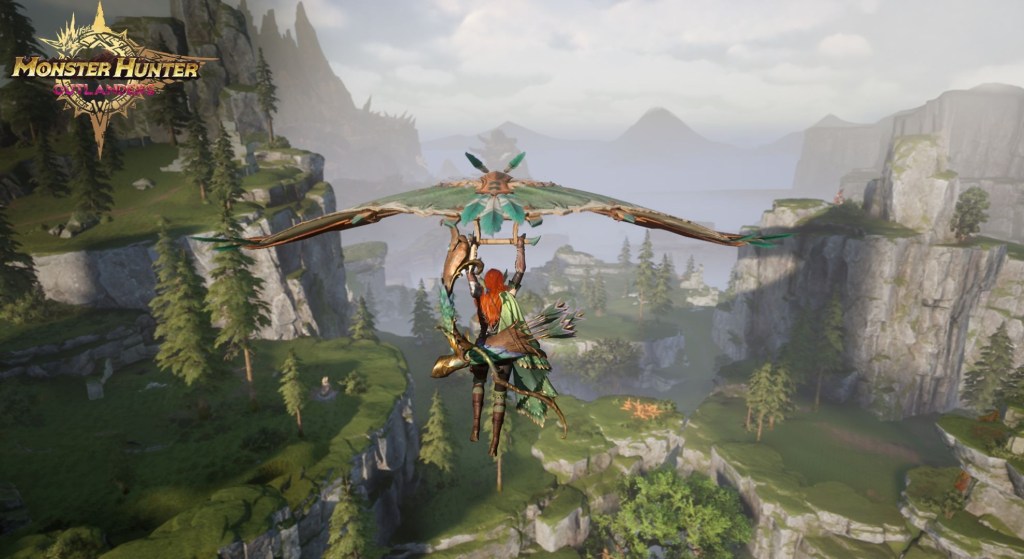
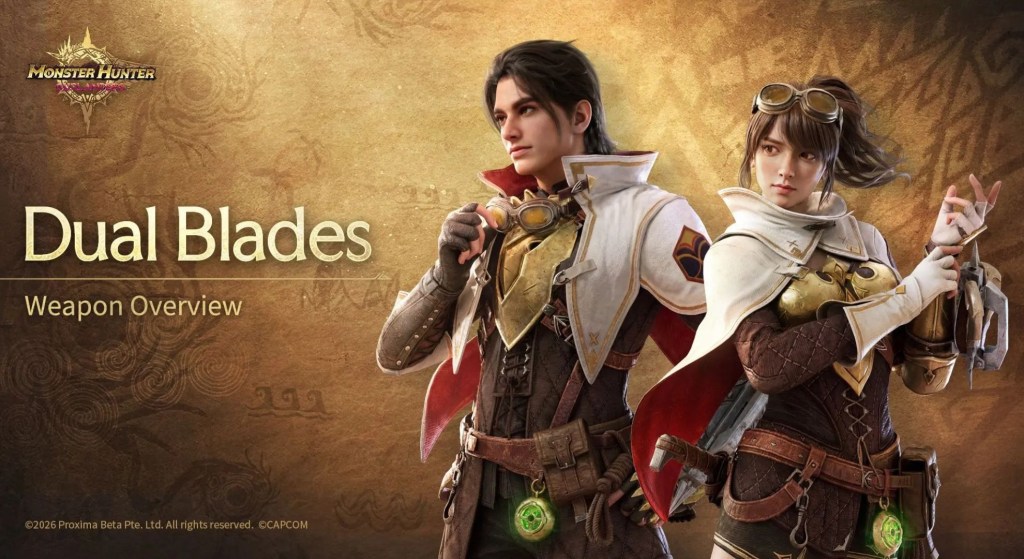
The Adventurer system is functional and more generous in practice than it might look on paper. Your created character, the Fated Adventurer, is not locked to any weapon or element and covers the full classic moveset. You can play the entire game without engaging with the gacha roster at all.
The pull characters have unique move sets and elemental weapon locks, which create variety. The higher rarity Adventurers do more damage in optimal conditions, particularly in the ranking modes.
Whether that matters to you depends entirely on what you want from the game. Casual hunts with friends? It will barely register. Chasing leaderboard positions? The gap will be very visible.
The energy system sits awkwardly within all of this. Being able to gather monster parts freely in the overworld, but gated on the more efficient Free Hunt mode, is the kind of compromise that will bother dedicated players more the longer they spend with it.
What the second Monster Hunter Outlanders beta added
The second closed beta test for Outlanders brought the Searing Plains and Giantwood Locale as two new explorable regions, three new Adventurers, the Lance as a sixth weapon type, and Radiant Monsters.
The Lance feels at home in the faster mobile pacing – the running charge addition makes sense as an adaptation rather than a concession.
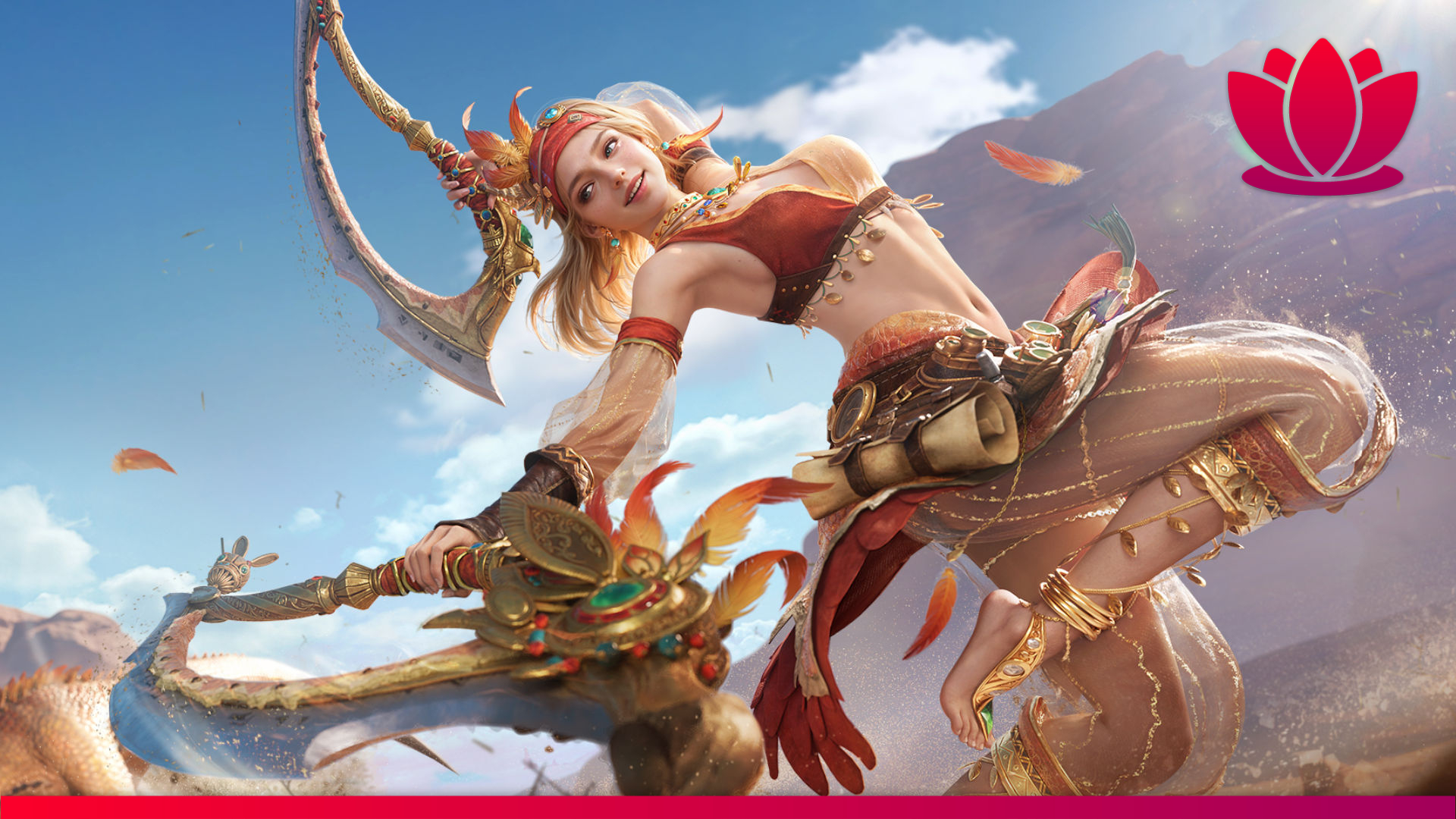
The new Adventurers in particular show TiMi understanding what makes weapon identity interesting: Midori’s shamisen-concealed Long Sword is a genuinely clever design, and Pepper’s aerial disruption playstyle is the visual that would stand out in any game.
Radiant Monsters function as heightened threat versions of existing creatures – harder, more visually distinct, and more rewarding. They are a good addition and hint at what the endgame loop might look like.
Where this lands
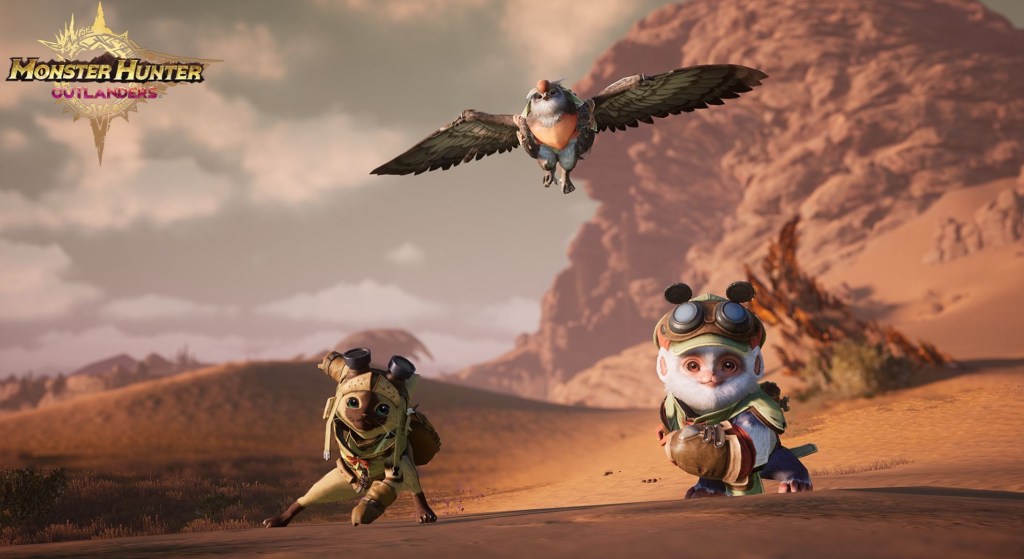
Right now, Outlanders is more than promising. It is, in the ways that matter most, a Monster Hunter game. The hunts feel right. The monsters feel right. The weapon depth, even filtered through a touch screen, is mostly the real thing.
The ceiling on how good this can get is directly tied to controller support and what the full monetization structure looks like.
Neither of those questions has been fully answered yet. But the foundation is solid enough that the questions feel worth asking, and that alone separates Monster Hunter Outlanders from most of what has come before it in the mobile space.