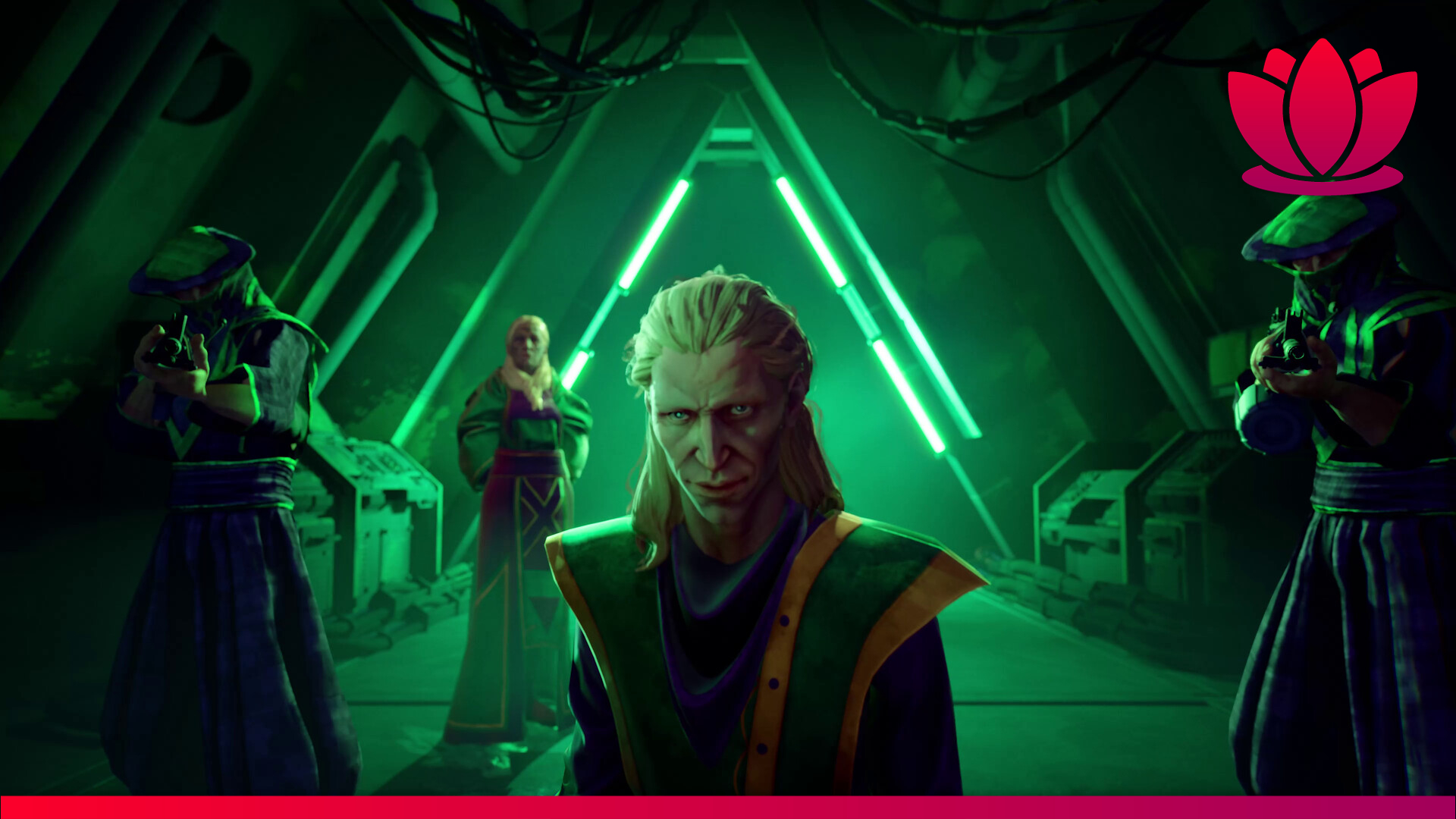
Image credit: Digixart/THQ Nordic
It’s rare to come across a game that manages to put a wholly unique spin on a genre, but that’s exactly what Tides of Tomorrow has achieved. This narrative adventure from Digixart and THQ Nordic feels fresh and creative, with an intriguing system at its core.
If you’re a fan of adventure games where your choices genuinely matter, this plasticpunk adventure will hook you from the get-go. Here’s Kyusai’s full, spoiler-free Tides of Tomorrow review, completed on a PlayStation 5.
A new era for narrative games
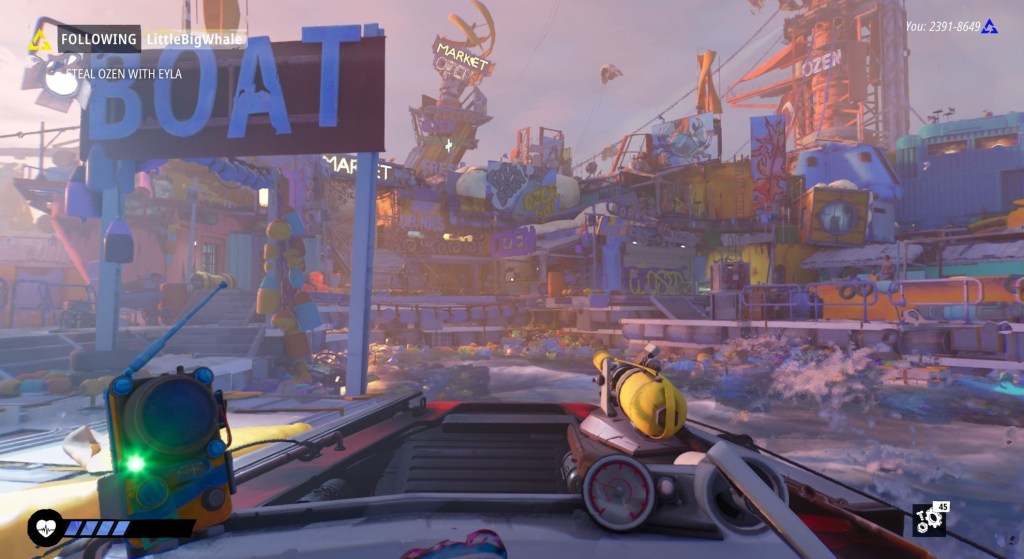
In Tides of Tomorrow, you play as a Tidewalker, a mysterious character that emerges from the waves with a strange link to the past.
The world in Tides of Tomorrow has been decimated by pollution and floods, with a disease called Plastemia running rampant through the surviving civilizations. Instead of exploring a regular map, you’ll sail through piles of floating debris and explore small islands, each with unique factions and landmarks.
As you attempt to uncover the mysteries behind Plastemia and find your feet as a Tidewalker, you’ll meet a number of different characters, each with their own missions and secrets. Factions range widely, from time-worshipping Mystics to the survival-oriented Reclaimers.
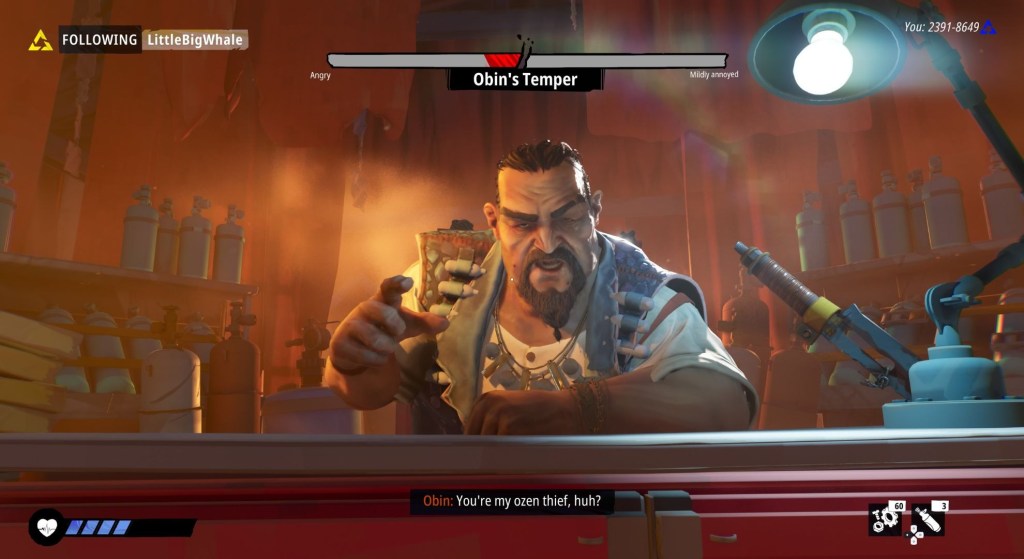
While Tides of Tomorrow may seem like a single-player game on its surface, it’s technically not. There’s a unique mechanic at play called Story-Link, which lets you follow in the footsteps of a previous player, seeing ghosts of their actions as you explore.

The actions of the previous Tidewalker will have an impact on your own run – for example, if they chose to leave resources behind, you’ll be able to gather them. Consequently, your actions will influence the next player, so if you take said resources, the person who follows you won’t be able to get them.
This adds a new layer of choice and risk to a game that already highlights player decisions in its narrative, and it affects stats for your run, such as Survivalist or Humanist. These stats influence which ending you’ll see as your run comes to a close.
On top of this, the Story-Link mechanic is directly referenced in the game’s story. NPCs will speak about the Tidewalker who came before you, treating you accordingly in some cases, and you’ll be able to see their impact on the world.
I found the Story-Link system to be exceptionally fun, feeling completely unique compared to narrative-adventure games I’ve played through before. I wasn’t expecting previous Tidewalkers to be referenced in the story in my first run, so it was a delightful surprise to see this unfold, and it made me consider my actions more thoughtfully.
Plasticpunk punchiness
The world of Tides of Tomorrow is described as “plasticpunk” by the game’s creators, and this feels like an apt term based on my time with the title.
Tides of Tomorrow is decidedly dystopian in places, but it’s also incredibly vibrant and optimistic in others. It shows how different people might react to a deadly disease or world-shattering event, while also highlighting how corrupt officials and corporations take advantage of such occasions.
I found exploring Tides of Tomorrow’s world to be incredibly rewarding. Not only is it a treat visually, but there are plenty of small NPC encounters or unique visual quirks that could be overlooked in a speedy playthrough.
Despite being mostly linear – you can choose how you approach the story, but it’s fairly on-rails once you pick a path – the game rewards exploration and paying attention to your environment with resources and beautiful visuals.
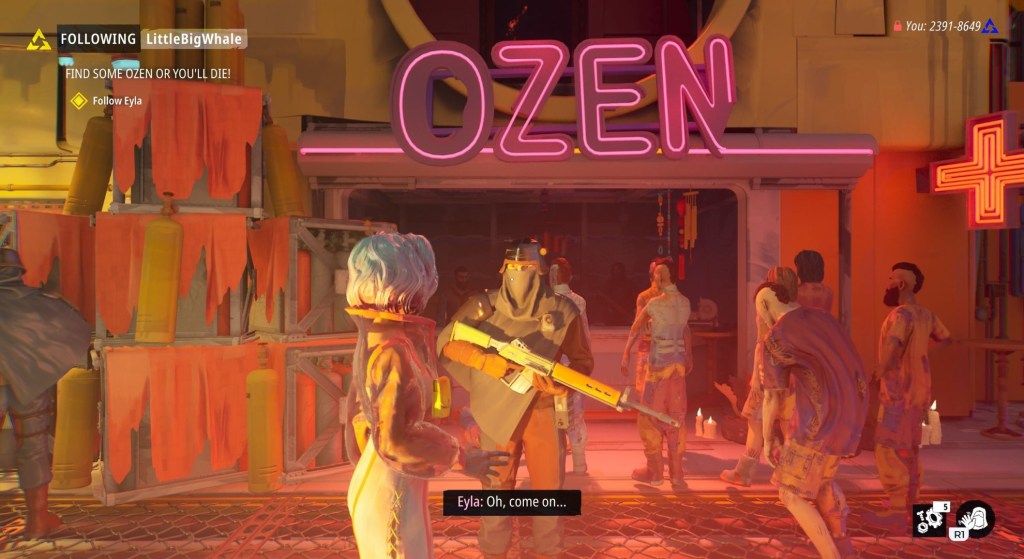
There’s an element of survival to Tides of Tomorrow, too. It’s not quite the same level of intensity as a typical survival game like ICARUS, for example, but you’ll need to stay on top of your Ozen levels to survive, while also gathering Scrap as a key resource for bartering.
Performance-wise, Tides of Tomorrow had a few bumps in the road, but was generally enjoyable overall. I did encounter a few minor frame drops here and there, but they weren’t frequent.
There was one instance where I appeared to sequence-break the game and soft-lock myself, though.
In some encounters, your dialogue options are dictated by which visions you’ve uncovered; I apparently skipped over the two visions I needed while exploring and ended up in a dialogue branch where I couldn’t pick either option, meaning I had to reset. This only occurred once, though, and there weren’t any other major quirks.
Tides of Tomorrow was a genuinely mesmerizing experience. I’ve not played a narrative adventure game that places such an emphasis on player choice before, and I highly recommend it to fans of the genre.
The game world is psychedelic and compelling, too, with an important message tucked into its vibrant narrative. If you’re interested in games that make you think about your every action and offer plenty of unique regions to explore, you’re bound to fall in love with this unique gem.
FAQs
Tides of Tomorrow was developed by Digixart and published by THQ Nordic.
The Tides of Tomorrow release date is April 22, 2026.
Players should spend 10 to 15 hours with Tides of Tomorrow, depending on their playstyle.
Yes, there are multiple endings on offer in Tides of Tomorrow.