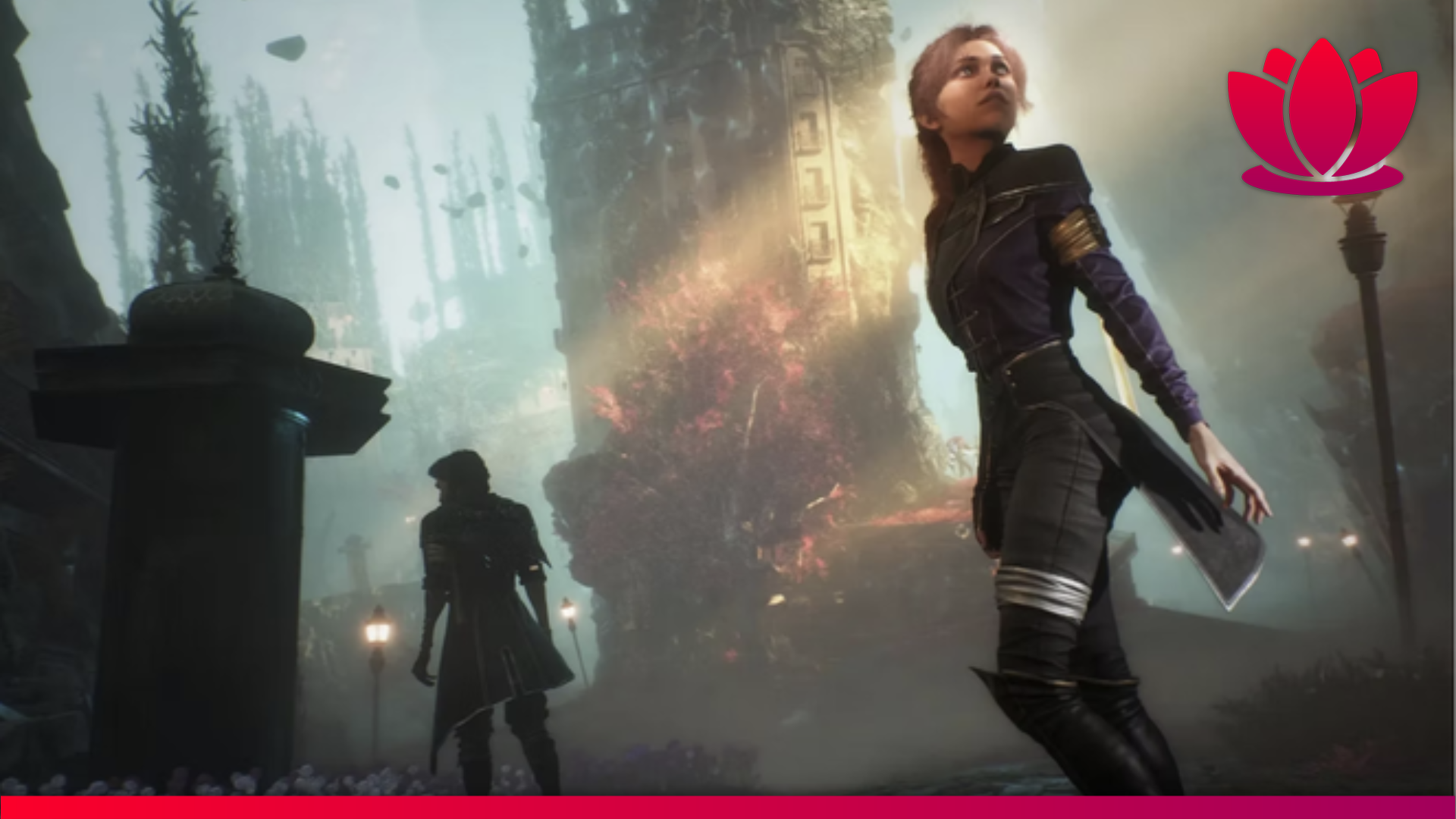
Image credit: Sandfall Interactive/Kepler Interactive
The characters of Clair Obscur: Expedition 33 have had their lives painted, laid out, and erased for them. Their journey is filled with unavoidable tragedies, but their choice to stand against them and affirm who they are is one of the biggest reasons why the game’s story leaves such an impression on players.
It’s just as well that Jennifer Svedberg-Yen, the lead writer and localization producer of the multi-award-winning RPG, entered the project with the notion that she would follow the characters’ lead. Here’s everything I learned chatting to the creative at MCM London Comic Con.
Minor spoilers for Expedition 33 ahead.
Allies and advocates
I had the pleasure of speaking with Svedberg-Yen at MCM London Comic Con, thanks to the event team. Throughout the discussion, I learned about what it means to live the lives of your characters, and how making them compelling means letting yourself feel what they do.
Clair Obscur: Expedition 33 starts you off in the middle of Lumiere, a fractured continent where every year, a paintress appears to paint a number one lower than the last. On the day she paints, every person the age of that number disappears, and a new set of expeditioners sets out to stop her from painting death.
“The first point is knowing who the characters are,” Svedberg-Yen began, “It goes all the way back to understanding what is the environment in which they grew up in, what are the things that shaped them?”
“Who we are today is reflective of where we’ve been, and so understanding all of those influences helps me as a writer get into the head of these characters. Once I know how they think, how they see the world, why they want what they want, why they feel a certain way, then it becomes much easier to write them.”
“I don’t like to be a puppet master for the scenes,” she added, explaining how writing is akin to a role-playing exercise, “You have to actually role-play each person and actually be their advocate.”
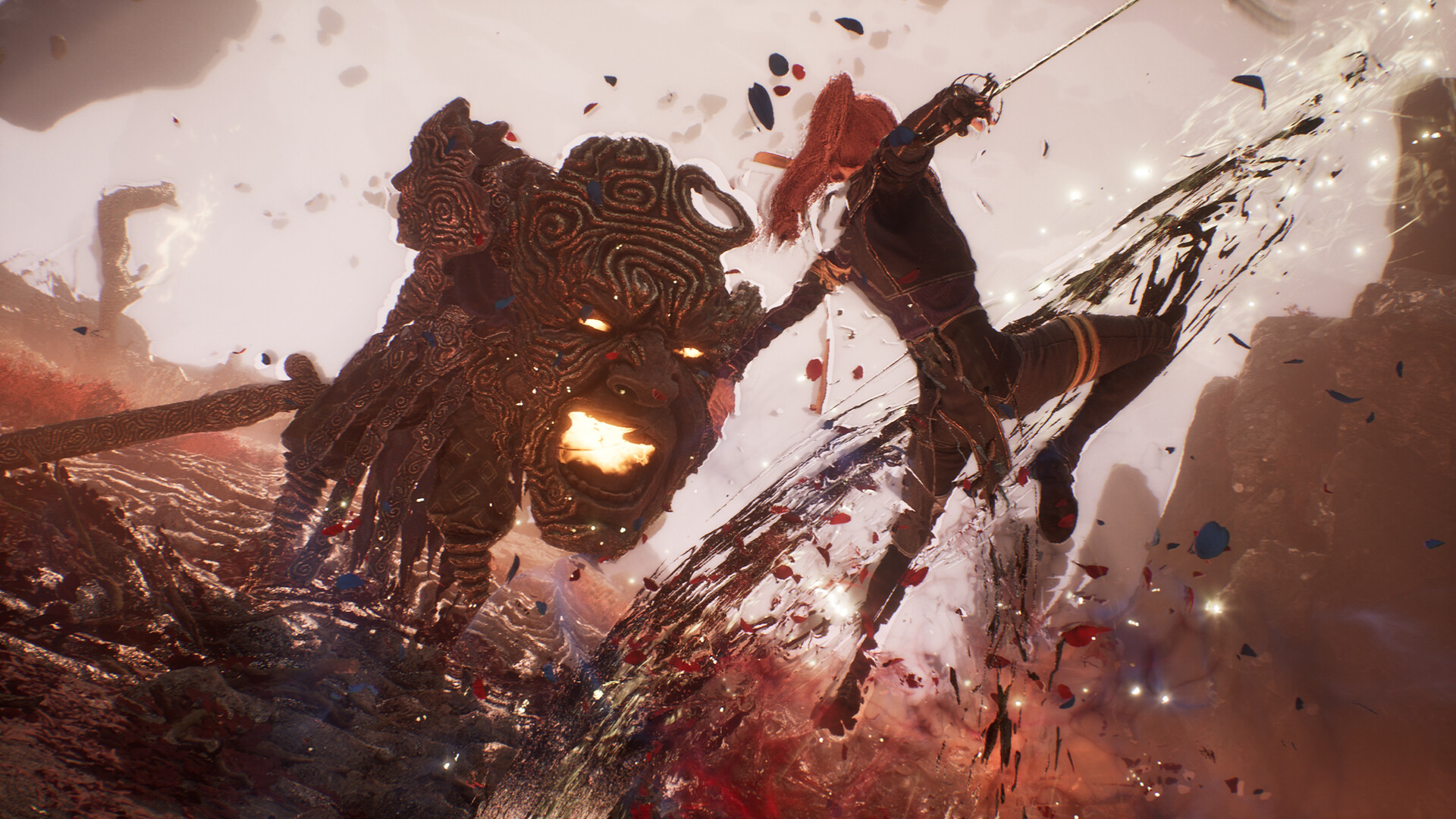
This can be seen in how the characters like Maelle, Sciel, and Verso act in line with their motivations. As Svedberg-Yen puts it, you’re not just trying to get them to get to a specific point; you’re actually role-playing that character.
Special survival mechanics
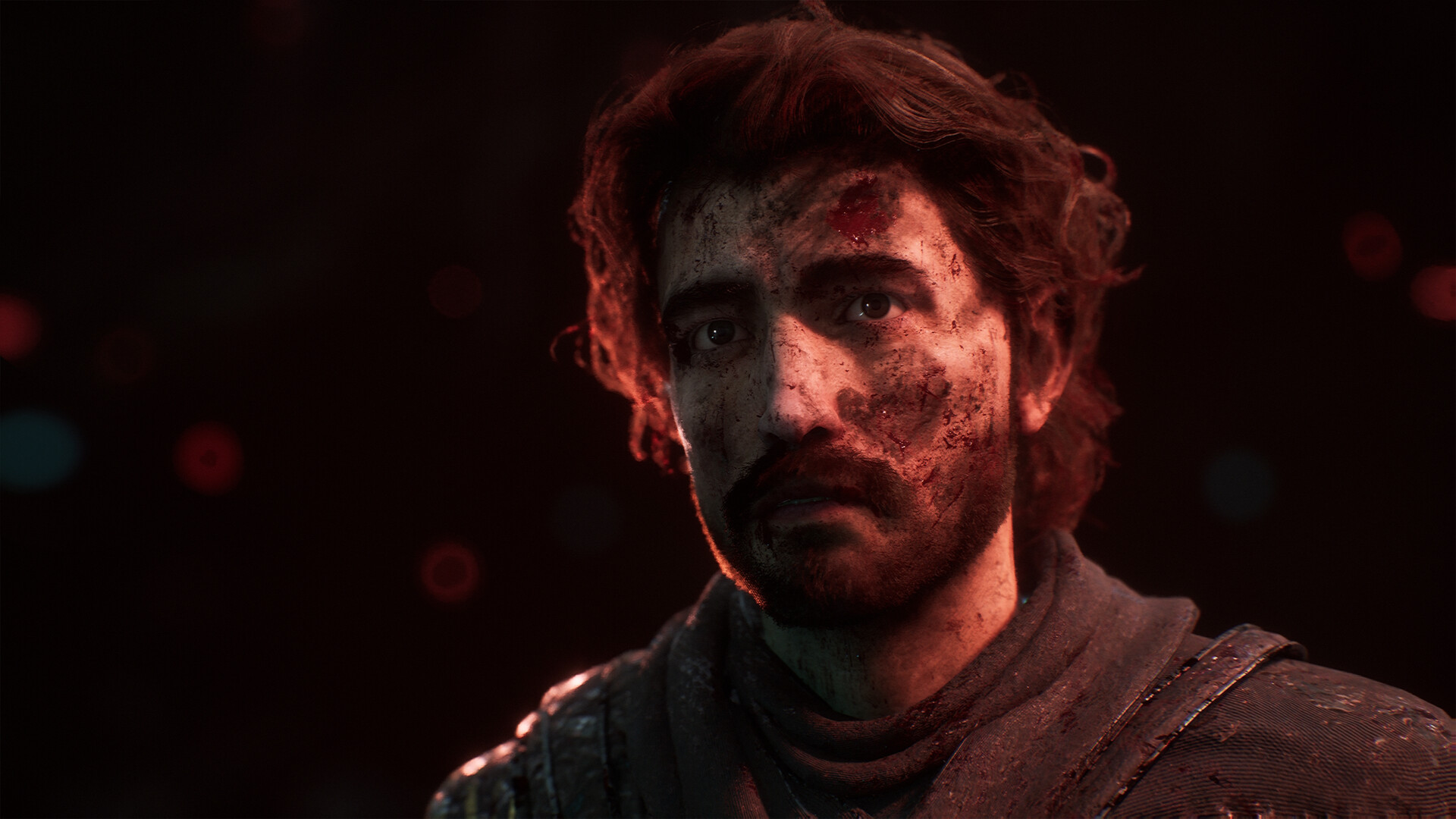
It’s not only their personalities that make them individuals; each member of the Expedition has unique skills, such as Maelle’s agility or Gustave’s talent for engineering, which draws from Svedberg-Yen’s past experience as part of an EMT (emergency medical technician) program.
“Meeting so many interesting people who are working in fire and rescue, who are working as first responders, helped me think about what would happen in this world if the fracture just happened?” Svedberg-Yen questioned, “In those first years after the fracture, how would society have gone through it? …And that was the lore origin of the exhibition.”
When asked if this was the origin of Expedition 0, Svedberg-Yen agreed that this was an offshoot of their fire and rescue squads in the old Lumiere.
Character specialties are shown not just through gameplay, like Lune’s wisdom translating into her extensive magic abilities, but in the story and their interactions. The quiet, comedic, and heartfelt moments where they build their relationships are just as meaningful as the tense ones, and Svedberg-Yen considered the player experience when carefully pacing these moments throughout the journey.
“They might not want to stop and have a deep conversation,” Svedberg-Yen noted,” So we give them that option at the camps to choose whether or not they want to delve into relationship dialogs. We’re giving them that space to choose at what point they engage.”
A living wake

When the world of Lumiere is faced with a threat that can’t be understood, it feels realistic for its people to seek out brighter moments. Svedberg-Yen noted how this is a realistic response to the world the characters live in, and drew on her personal life experiences to imbue them.
“Other parts actually do come from different parts of my life,” the writer explained, “For instance, with Maelle, I draw very extensively on my own feelings as a teen; feelings of loneliness, feeling that I didn’t belong or didn’t quite understand what was going on. Like everybody else had this manual to life that I didn’t get.”
For Lune, Svedberg-Yen drew on her academic background and the experiences of being an eldest daughter; specifying an eldest daughter of immigrants in particular. While Lune is the youngest child, in many ways, she acts like the eldest and carries a lot of responsibility on her shoulders.
This influence can be seen through each of the characters’ journeys, with one scene in particular coming to Svedberg-Yen’s mind.
“Maelle and Verso have a conversation about condolences, and that draws very personally from when I lost my grandfather. I had a lot of very well-meaning friends who were reaching out to me to try to offer me some comfort, but in that moment, I just was like, I don’t need this.”
Loss has become a part of the lives of the people of Lumiere, and the way the world has come to terms with it is through the gommage ceremony.
“I thought of it as a living wake. Oftentimes, we have the wake after the person is gone. Really, why not celebrate before, especially when you know they’re going to pass? Let’s celebrate their lives with them. That was the idea behind the celebration before the gommage.”
For the works that come after
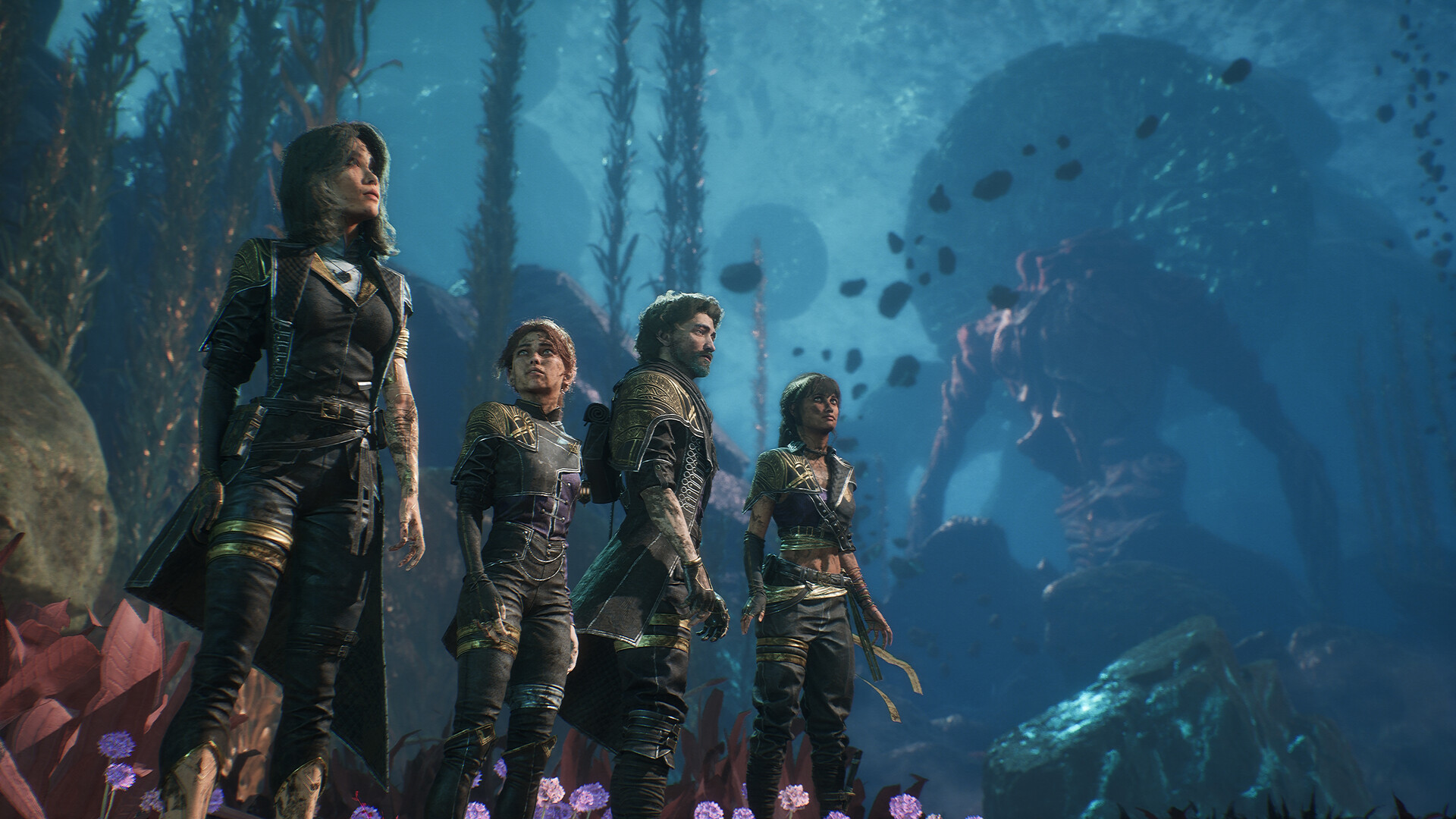
Svedberg-Yen carries forward the principles of her inspirations, with her influences and her co-workers informing the world-building approach she takes in her writing.
“I’m a big fan of the Wheel of Time book series,” she shared, “The intricacies, the building out of societies, and all of the philosophical underpinnings behind the world. That directly influenced how I think about world-building, which is why before we really go into writing the script, it was very important to spend time figuring out the history of the world.”
The world that she helped craft with these principles, together with director and co-writer Guillaume Broche and the talented team at Sandfall, began to feel real as more talents began to work on the game.
“Rich Keeble (Monoco) is hilarious, and his deadpan delivery really just elevated all of Monoco’s lines,” she enthused, “Kirsty Ryder (Lune), fantastic, and I think that she knocked it out of the park with the battle lines. She was taking boxing, and so she was really all in on the efforts and the battle.
“Jennifer English (Maelle), such a phenomenal actress, and it was really fun watching her work. She would be in the middle of a very emotional scene, we’re all crying in the back, and then it’s over, and she’s like, “Hi!” She’s just in and out; she’s so good!”
She praised Ben Starr’s performance as Verso as being hilarious, saying that the actor is a gentleman all around and so much fun in the booth.
“Shala (Sciel) was wonderful as well. I remember she would turn the lights down in the studio and get into the emotion of the characters. There were so many times when I was watching her and tearing up,” Svedberg-Yen expressed, giving just a glimpse into how much of a team effort the entire game is.
Svedberg-Yen and the Sandfall team followed what makes sense for the story through the game’s development, creating a work of art that stays true to its characters and identity. The characters are unforgettable, and that’s in no doubt thanks to Svedberg-Yen just as much as its other creators.
FAQs
Expedition 33 is a dark fantasy turn-based RPG, taking place on the fractured continent of Lumiere, overlooked by a paintress who is slowly erasing its people. You lead the titular expedition through battles and towards the truth, all to stop the paintress from ever painting death again.
Expedition 33 is colored by unwavering cast, style, and gameplay, which all collide to create an unforgettable RPG. It stays honest and emotional throughout, and has left a lasting impression on many of its players.
Expedition 33 can be difficult, but this depends on which of its three difficulty settings you pick. While the story mode has enemies dealing low damage, Expedition mode makes them tougher and is considered the normal difficulty. Expert mode, the hardest difficulty, puts you against much stronger enemies.