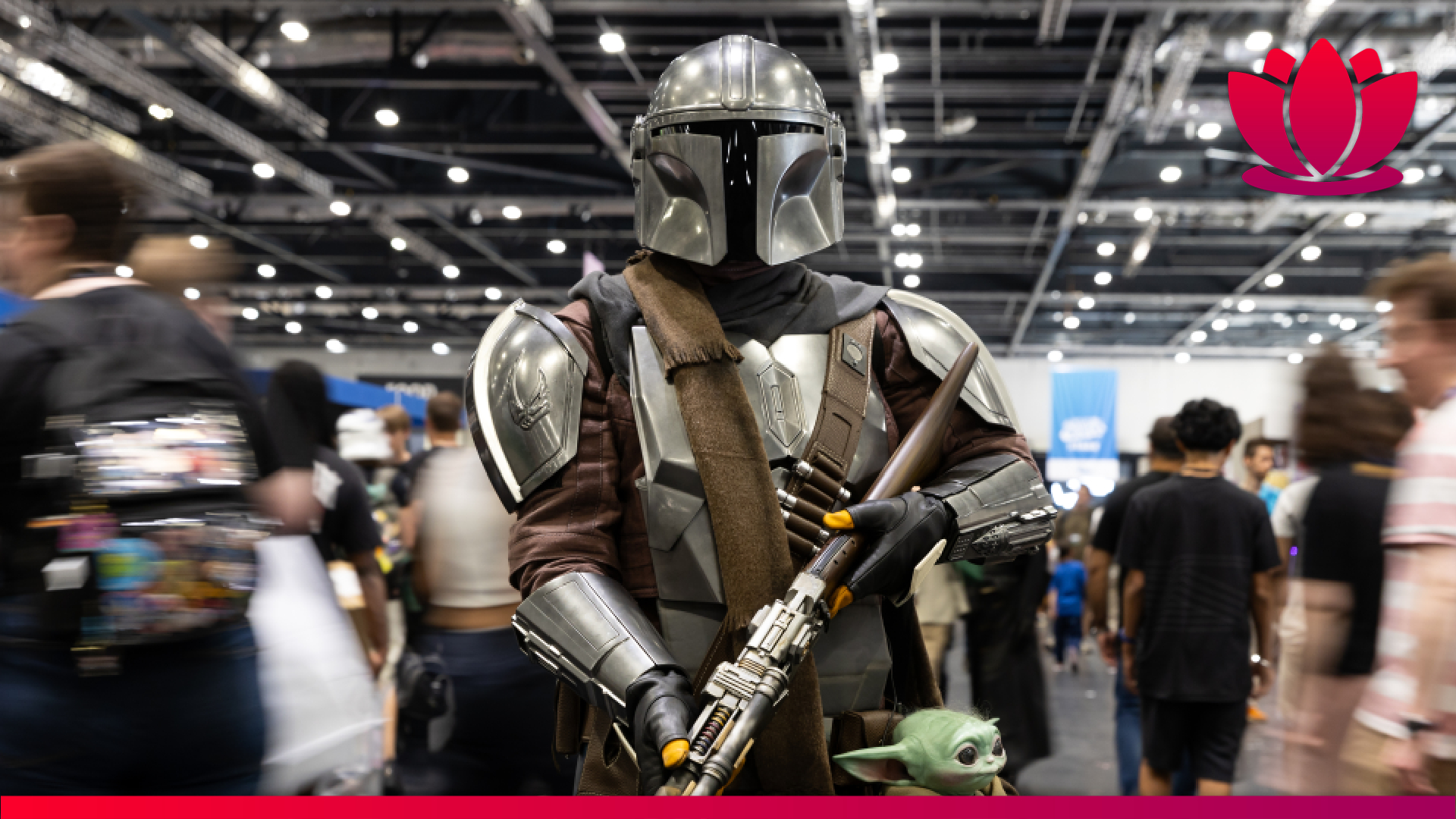
Image credit: Bastion for MCM
When you come across a huddle of Pokémon cosplayers together in a train, frantically cooling each other off as they brave the 30° weather in onesies, you know it’s MCM Comic Con season.
Over its two-decade run, education has become a big reason why thousands attend the event. It’s still about buying plenty of art from talented exhibitors in the artist alley, but now, it’s just as much about learning new skills from the best in the creative business.
On May 22 and 23, 2026, I went to MCM Comic Con to find out everything it had to offer for video game enthusiasts. Along the way, I discovered that it’s no longer just a place to celebrate the games and pop culture we love. It’s filled with opportunity, education, and boundless creativity.
On a quest to learn
With how much was on the show floor, covering everything over the two days I was there was an impossible task. For the hungry game enthusiast looking forward to this year’s offerings, there were plenty of upcoming games to try, most of which I heard about for the first time.
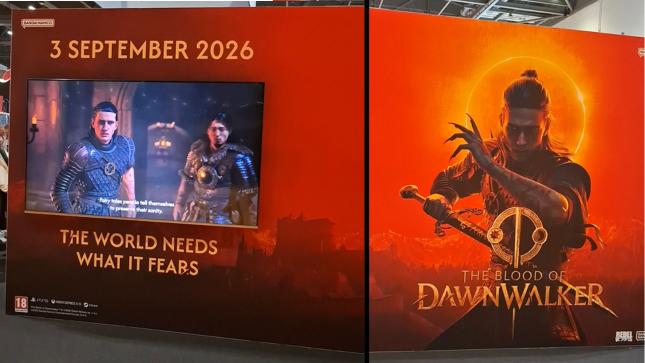
Once leaving the queue, I found myself in the confessional booth promoting the upcoming vampiric action RPG, The Blood of Dawnwalker. Set to release on September 3, it’s the first title developed by Rebel Wolves, a studio formed by veteran developers formerly working at CD Projekt Red.
Within the booth was a father who gauged my resolve with some tough questions, judging my ability to spread light within the darkness. While the game wasn’t on offer to try out, the demanding questions suggest that the game will have plenty of bite.
Secrets to success

It wasn’t just big names and publishers who were making a name for themselves on the show floor. In the Sidequest area, I discovered booths packed full of exciting indie game demos ready for visitors to try.
I spent much longer than planned trying out the demo for Denshattack!, an upcoming trick-based 3D platformer releasing on June 17, 2026. The line of people waiting to play it suggests that I wasn’t the only one caught in its whirlwind of colors, energetic soundtrack, and rail-grinding gameplay.

Right next door, the hilarious noir detective RPG, No Stone Unturned, had a fantastic display themed after the game, where I got to try out the gripping yet hilarious demo. Despite only being in early access, a gripping first case, witty visuals, and brilliant British humor make it one of the games I’m most looking forward to this year.
The Sidequest stage hosted panels with many of the indie developers behind these games and others, such as the Building Thriving Communities: The Heart of Indie Game Success panel that took place on Saturday.
Recipes for indie game success were traded around by experienced and up-and-coming developers alike, with many discussions focusing on how to get games signed to the right publisher.
Listening to these indie developers discuss the reasons for their success, particularly the importance of community and crowdfunding, brings the idea of creating a game much closer for the many budding game developers. Hearing their perspective and the steps they took, from concept to community building to publication, turns the dream of game development into a tangible reality.
Learning from the best
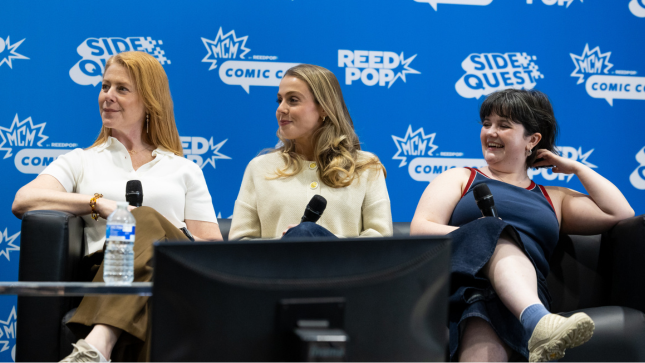
While the indie developers taught the crowds about how they got started, the Sidequest stage also saw voice actors who have worked on some of the biggest games of the year. The chats they had on stage often focused on how they got to play their roles in their respective projects and their experience working on them.
On Friday, the cast of Resident Evil Requiem, Emma Rose Creaner (Emily), Jane Perry (Alyssa Ashcroft), and Angela Sant’Albano (Grace Ashcroft), spoke about what it was like to work on a motion capture project for such a large IP.
They spoke in depth about how motion capture helped them convey the heightened emotions of their respective characters and how important it was for them to use the medium to give grounded performances.
Hearing about their experiences working with motion capture gave me even more respect for the medium, especially when they spoke about how their strong portrayals of their respective characters had helped many people through their own personal experiences.
Other prolific video game voice actors, such as the casts of Hitman and Metal Gear Solid 2, also spoke, such as David Bateson (the voice of Hitman), chatting about how he went from corporate voice-over to voicing a truly iconic video game character.
Shared creativity
There was no shortage of opportunities for those inspired by these discussions and wanting hands-on experience. Throughout the weekend, there were plenty of talented creatives offering all different kinds of workshops based on their specialties to attendees.
From a character-building class to the manga drawing and indie game marketing workshops I saw taking place, there were plenty of creatives who were teaching attendees the tricks of the trade.
Seeing so many passionate creatives in one place not only inspired me to pursue more of my creative endeavors, but showed me it’s possible to bring them to life.
I may have gone to Comic Con for the games, but thanks to the many creatives who shared their experiences through panels and workshops, I learned much more about indie game development and picked up many new creative skills.
So the next time you’re at Comic Con, have a go at learning something new at one of the panels or workshops held by the talented creatives hosting them. On top of plenty of precious collectibles and artwork, you’ll also learn creative skills that will last a lifetime.
FAQs
MCM Comic Con happens twice a year, usually in London, taking place in May and October.
No, MCM Comic Con is a pop culture event, offering fun experiences for comic book lovers, artists, TV geeks, and movie nerds.
Usually, MCM Comic Con takes place at the Excel in London.
Yes, there are usually plenty of previews and demos available to play at MCM Comic Con, particularly for fans of indie games.