Image credit: Blizzard Entertainment
The World of Warcraft sourcebook for Dungeons and Dragons is getting ever closer, and Wizards of the Coast has revealed more details about how the book will handle adapting the game’s classes. We knew there would be new subclasses, certainly, but there was precious little information about how they would be adapting some of Azeroth’s champions.
Thanks to a new overview, we now broadly know how every class and specialization will be tackled – though specific details will still have to wait until the book is in our hands. Some classes get very few changes indeed, while other classes are getting a lot of special attention.
I need a hero
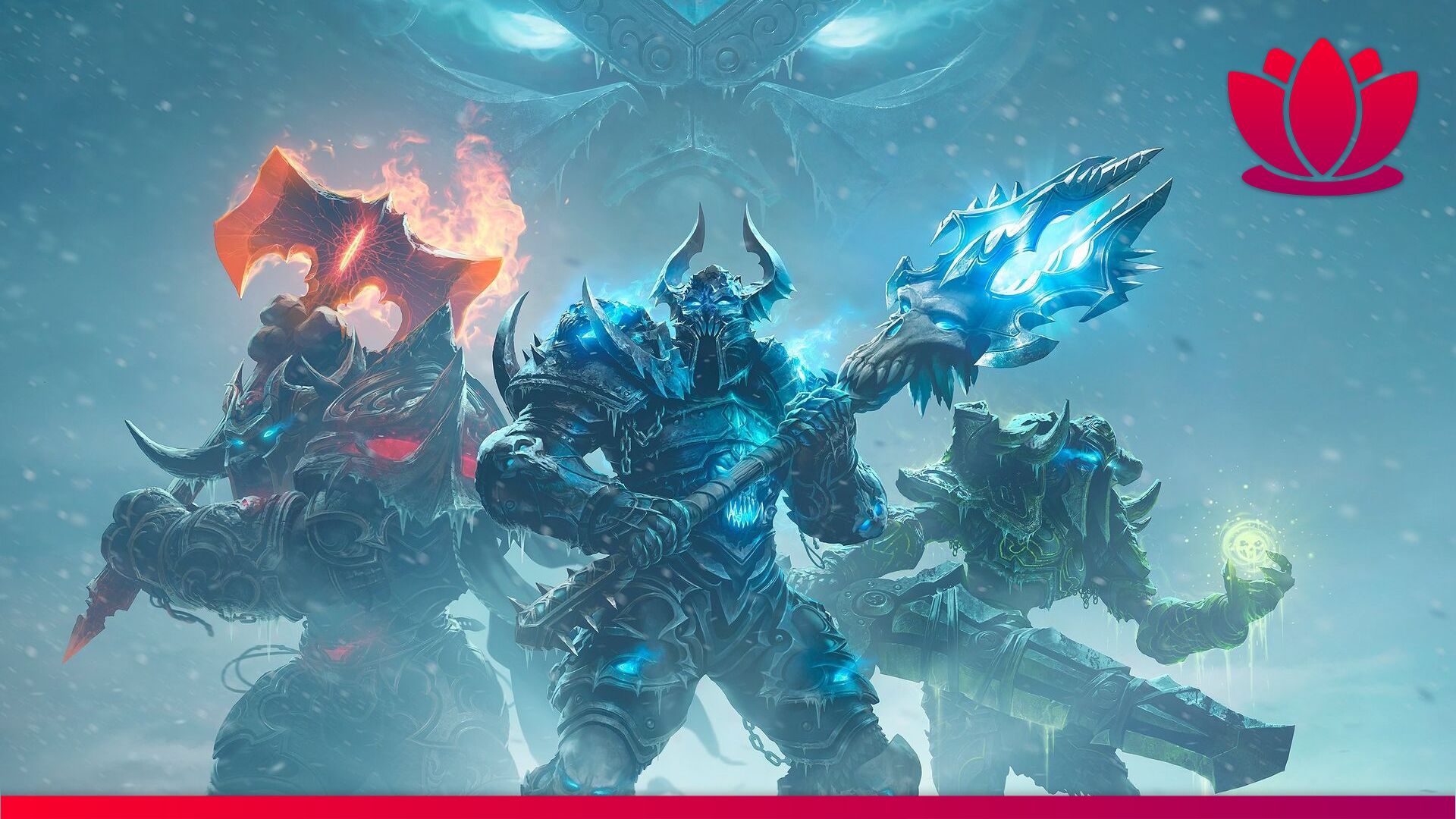
The standouts of the upcoming World of Warcraft book are the Death Knight, Demon Hunter, and Evoker, who are all getting Hero Classes. These are essentially subclasses that all characters get, but they can only be taken at level 3 or higher, twisting some of the expectations of the base class in ways other subclasses can’t.
The Death Knight, for example, is attached to the normally virtuous Paladin. The Oath of the Ebon Blade doesn’t just give extra abilities from level 3 onwards; it also guarantees that the character will be considered undead, and will change up the most important of Paladin features – the smite.
Rather than channelling the righteous energy of a normal Paladin smite against undead and fiends, the Death Knight is designed to combat celestials; beacons of all that is good.
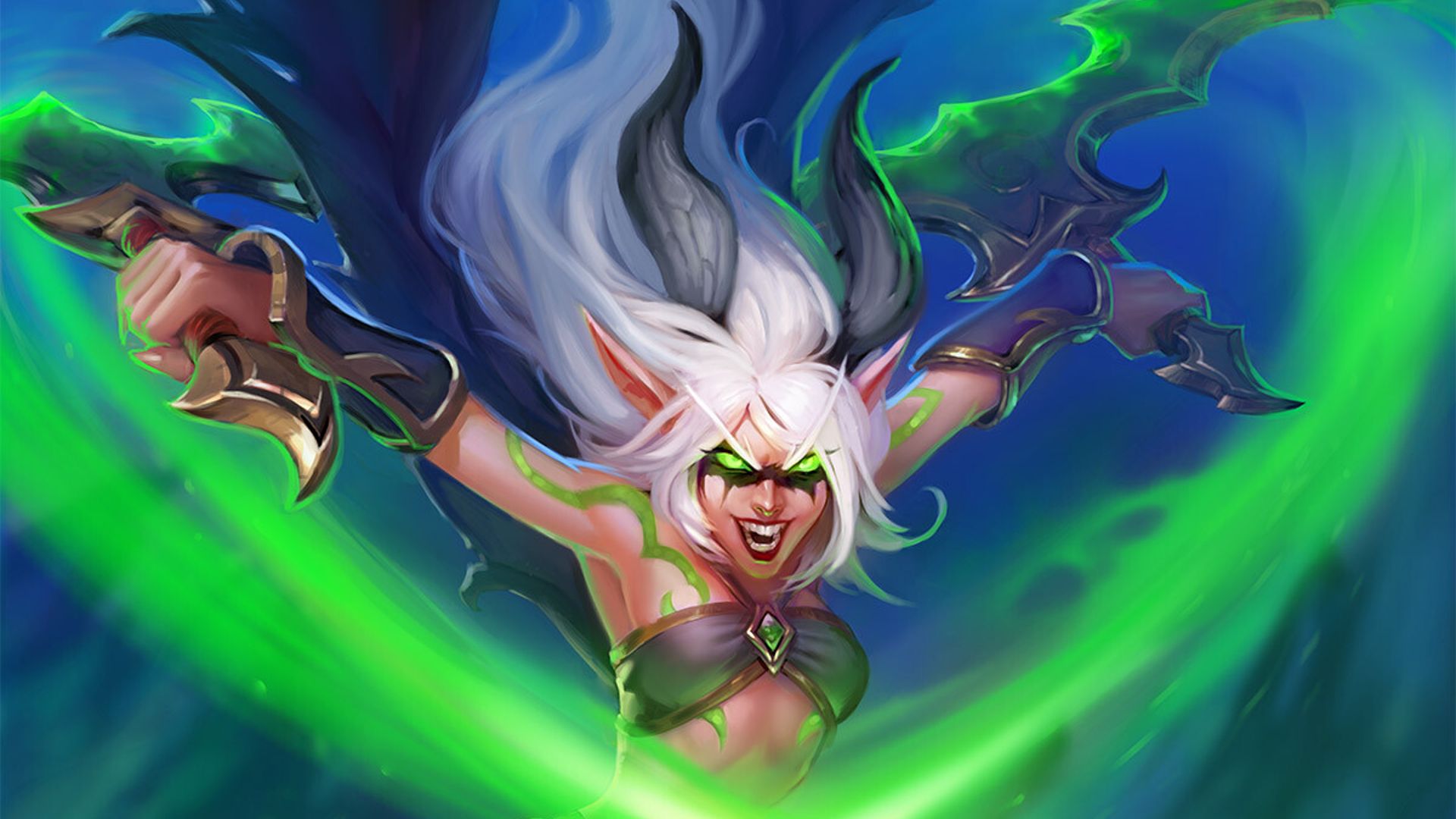
Demon Hunters are adaptations of the Ranger class, trading out many of the nature-based features for things all the more hellish. Demon Hunters will gain the innate ability of blindsight, allowing them to see even invisible or obscured targets, and will have mechanics surrounding collecting soul fragments from enemies to cast certain spells.
The Evoker class, on the other hand, is a modified Draconic Sorcerer subclass, and Wizards of the Coast are keeping details close to their chest as to what has specifically changed. It still requires these classes to start at level 3, though, adding in some unique abilities, almost certainly designed to exist in tandem with the Dracthyr species that the class should be locked to.
These Hero Classes are an interesting compromise – avoiding having to create a new class altogether, but taking things further than a standard subclass.
Harm to heal
Some other lucky classes won’t be getting such an active overhaul, but they will still be getting new subclasses or modified features to better represent the classes of WoW. The Monk is gaining the Warrior of Mystic Brews subclass to better emulate the tanky nature of the Brewmaster, focusing on their evasive nature.
The Oath of the Holy is adding extra healing potential to Paladins, letting them take up more of a support role, including the ability to restore their powerful burst heal from Lay of Hands without dealing damage.
The Cleric gets two subclasses to better simulate the Discipline and Shadow specializations, focusing on pushing out more damage while maybe deigning to heal your allies.
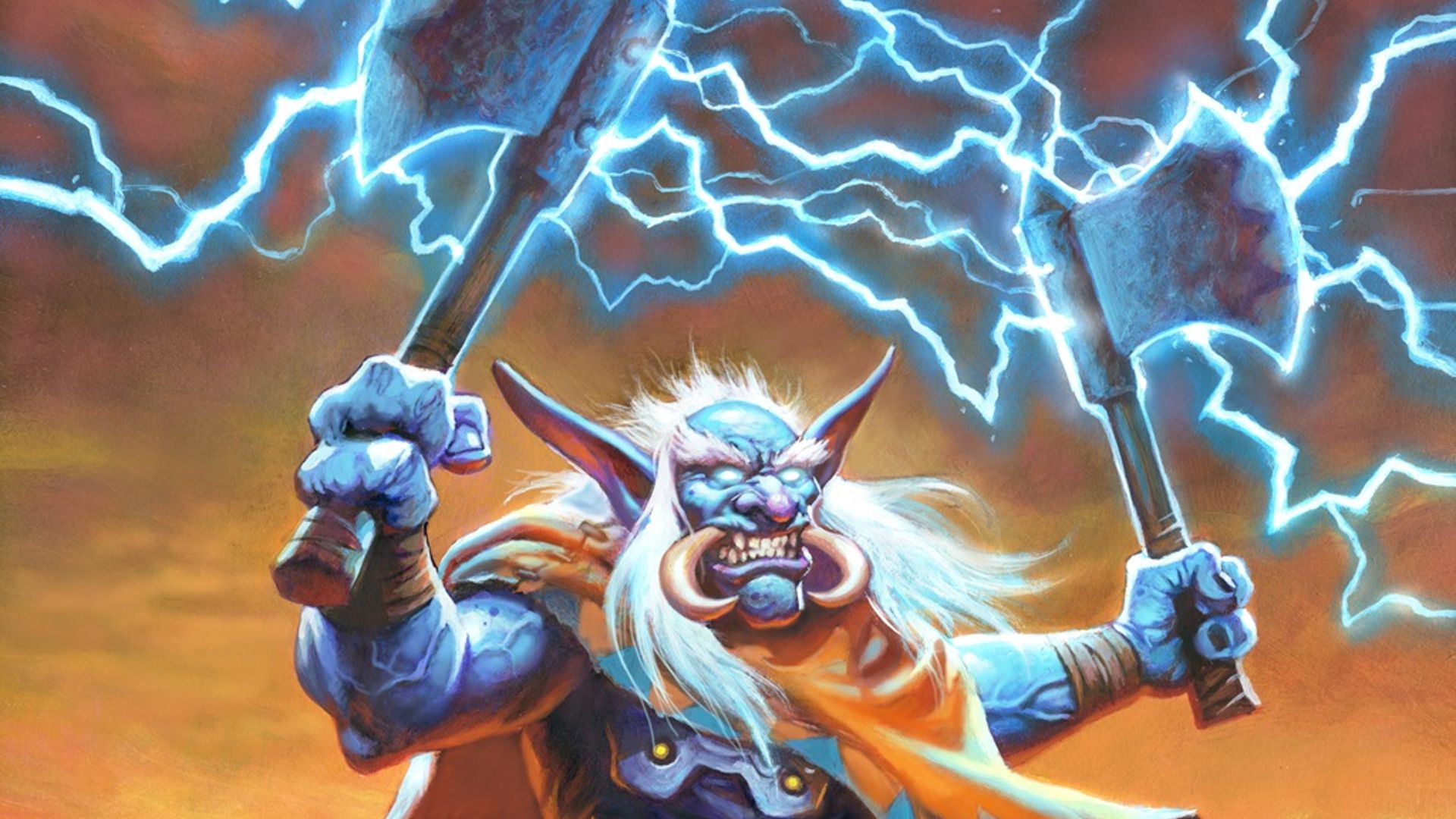
Not all classes get full new subclasses, though. The World of Warcraft sourcebook is doing strange things with Shamans, the elementally focused casters. I was originally thinking they might be reflavored Druids in D&D, but the sourcebook is transposing them on the far more melee-forward Barbarian class.
The trick here is in adding new variant features that can really change up the class’s identity.
Rather than picking up some skill assists at low level, the Shaman Barbarians will be able to start placing down totems using their bonus actions. The overview only says that it will provide buffs, like immunity to certain effects for allies, or debuffs, like slowing enemies, but this is a pretty big switch-up in the class to try and simulate the Shaman.
I’m interested to see the specifics – especially for trying to play a Restoration Shaman, because I love the idea of a support Barbarian.
Advances in arcane studies
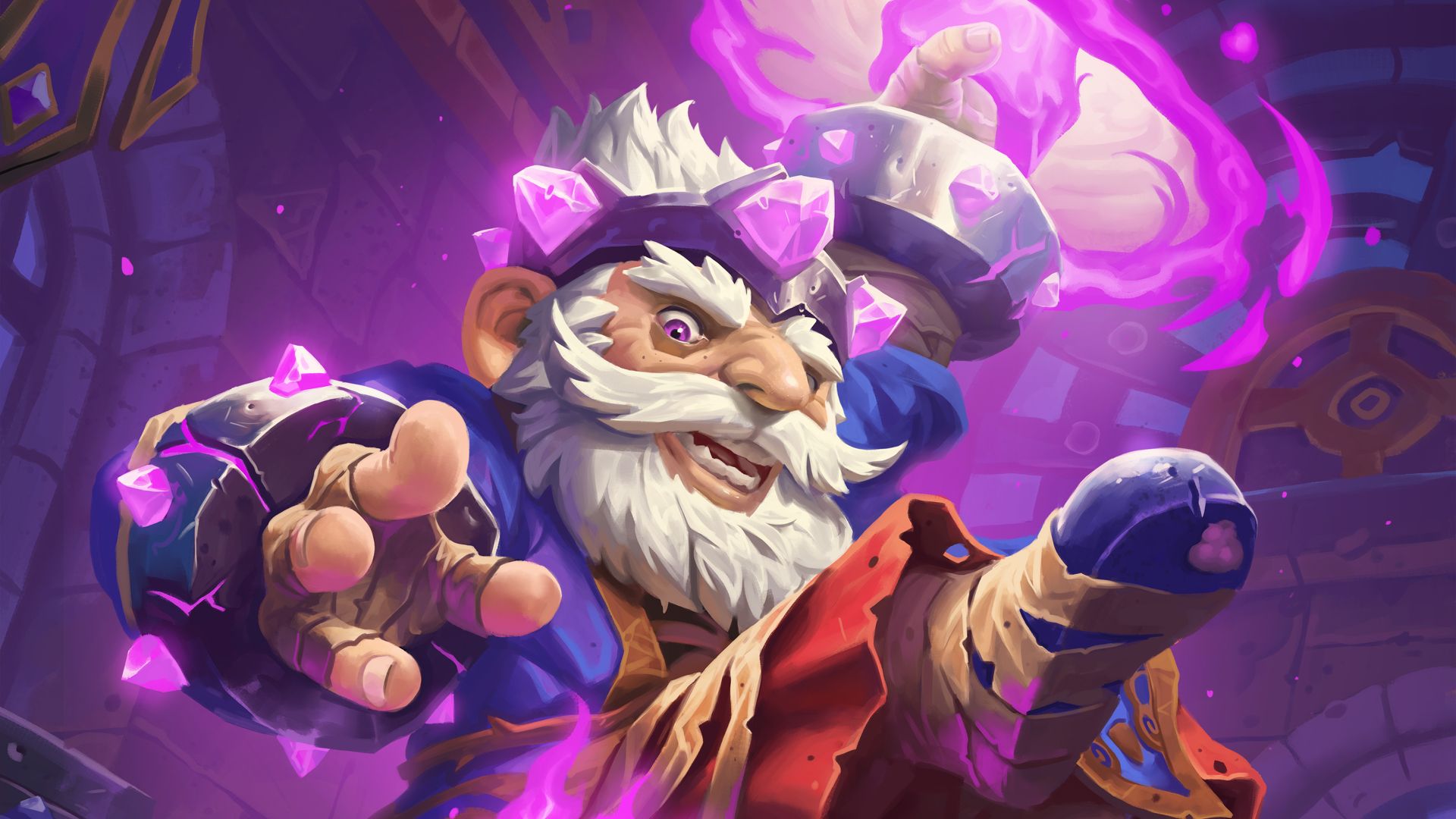
It’s not that those without any updates are fully abandoned though, as the overview mentions that the Warcraft sourcebook will be adding all manner of new spells and feats to better flavor the existing classes. Some of these inclusions that are just here to build identity might end up being flavorful must-picks in any D&D game.
I think the Mage comes out best from this. All three Warcraft Mage specializations have the same subclass suggested for them, which is disappointing, but all the personality comes out in their choice of spells and feats.
For example, the Fire Mage gets a new feat that allows all their fire damage spells to cause burning as well, while Arcane Mages get a feat that allows them to start throwing out extra cantrips as reactions when it isn’t their turn.
Most classes that can cast spells will benefit massively from this sourcebook, with all new spells designed to bring in that Warcraft identity. It’s no surprise that some classes like the Fighter and the Rogue don’t need much, if any, adjustment to represent Warcraft’s Warrior and Rogue, but it’s nice to see a commitment to applying so many different kinds of tweaks to align the two class fantasies.
When the book finally releases, I’m going to be intrigued to have a look through all the suggested builds the book has for best representing World of Warcraft, and seeing just how close they feel. I want to see what’s just reflavored, what’s rebuilt, and what might just straight up be better.
FAQs
The D&D World of Warcraft gameplay expansion will be released on November 17, 2026, so players don’t have long to wait until they can dive in.
The DnD World of Warcraft sourcebook will add all the World of Warcraft playable races, though sadly not any of the non-playable ones currently. I’m still holding out hope for Naga.
The World of Warcraft DnD sourcebook will act as a guide on how to play each of the Warcraft classes and specializations in Dungeons and Dragons. It will also add six subclasses, and update three other subclasses to make this easier.
No, you do not have to be a World of Warcraft player to have fun with the new DnD gameplay expansion sourcebook. WoW players will likely enjoy the lore more, but from what’s been shown, the sourcebook seems like a quality standalone experience.