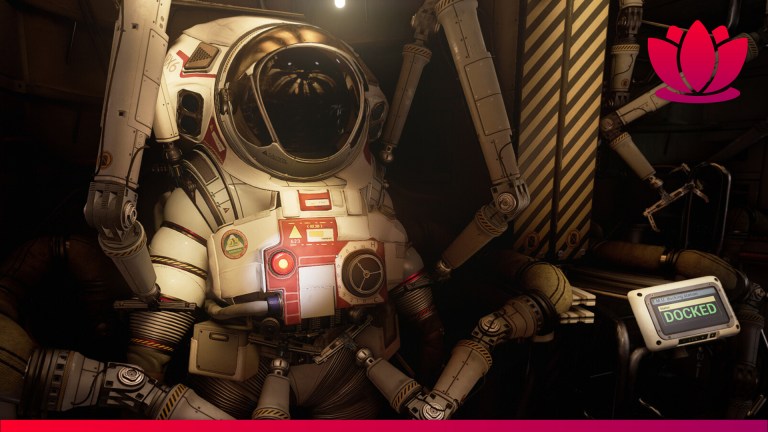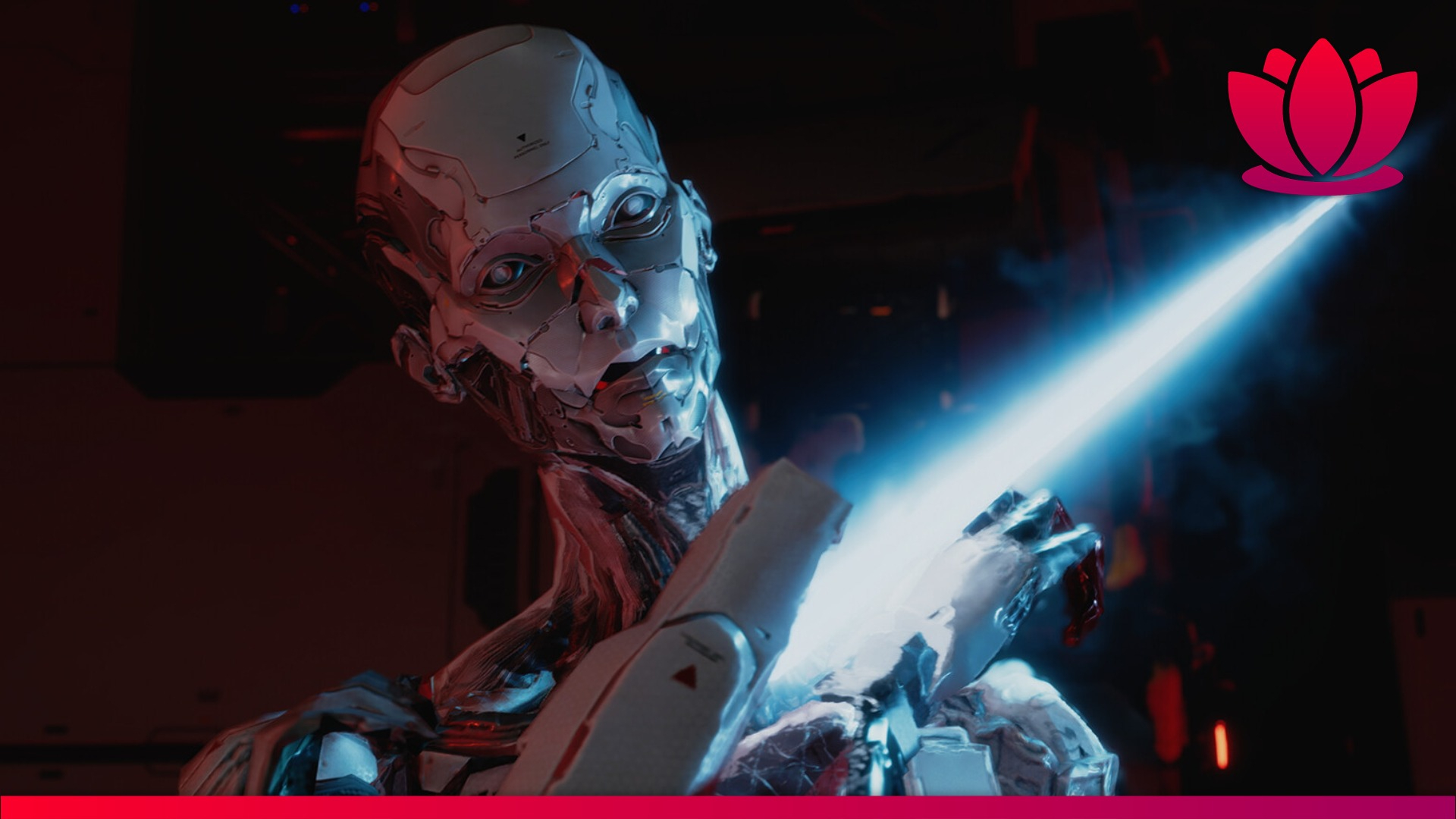
Image credit: Capcom
David Menkin’s range includes major intellectual properties such as Final Fantasy, VALORANT, and Star Wars. So, his inclusion in Capcom’s short-form tale PRAGMATA would seem like another solid entry in a storied career as an actor.
The reviews and blossoming fan theories for the paternal interplanetary story have steadily poured in since release day, showing that the game and Menkin’s delivery have done more than just carve a special place in gamers’ hearts. Here’s David Menkin, the voice of Hugh Williams, on the magic of PRAGMATA.
A unique experience

The relationship between Menkin’s character, Hugh, and the robotic AI child, Diana, played by Grace Saif, has become a jewel in the Japanese gaming giant’s crown since PRAGMATA’s release on April 17, 2026.
Menkin took to social media to thank fans for their support of the title, which hit the 1 million mark in two days of launch and reached 2 million by May 8, 2026.
Menkin met the reaction to Hugh, Diana, and the Haruo Murata-penned story humbly, saying, “I’m not going to say overwhelmed, I’m whelmed. It’s been lovely seeing the response.”
The versatile actor entered into conversations with Capcom and accepted an invitation to London, where he and the cast, including Saif, had the chance to explore the script. They were given time to explore the best way to bring the tale to life in Japan.
“It was all down to the team in Osaka, who were very clear about what they needed, but we also had two wonderful performance directors. We had our lead director, Holly Reddaway and Frances Loy,” said Menkin.
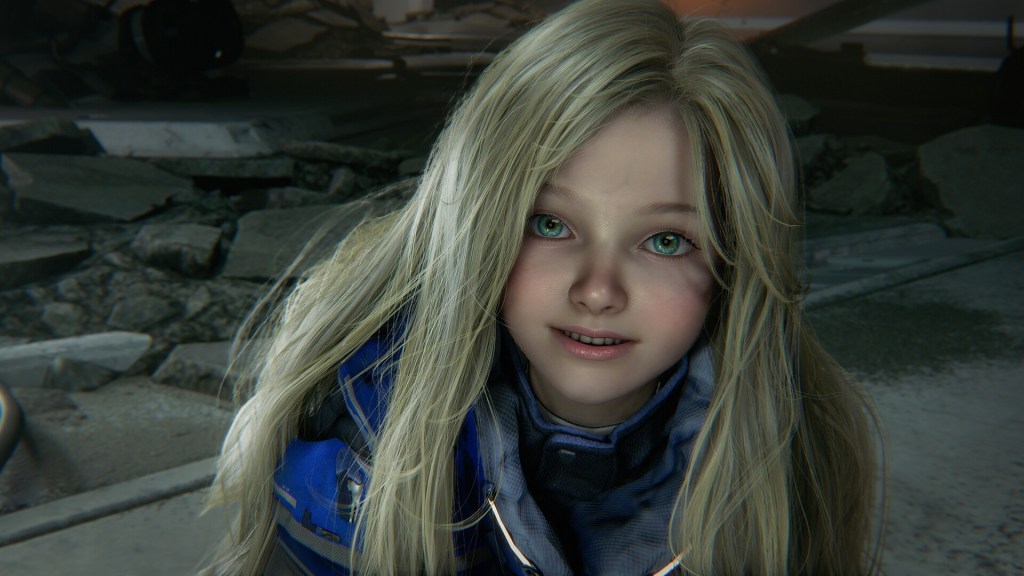
The bond between Hugh and Diana isn’t just a slim storytelling device; Menkin centered on the time allotted by Capcom and the voice team to establish that harmony, which has sung through to the final frames of the game.
“Both Holly and Francis said to us, ‘We have time to establish this relationship. We have time to get this right.’ And, trust me, that is something that you do not hear a lot in the recording process. That had to resonate in all languages through our performance, and Capcom gave us the space to create.”
“It’s a relatively short game by today’s standards, and the team gave themselves the chance to let this all develop as it went along, and that’s the thing that I’m noticing. People exploring this unique opportunity to save someone who had, in turn, been saved by someone.”
Proud parent moment
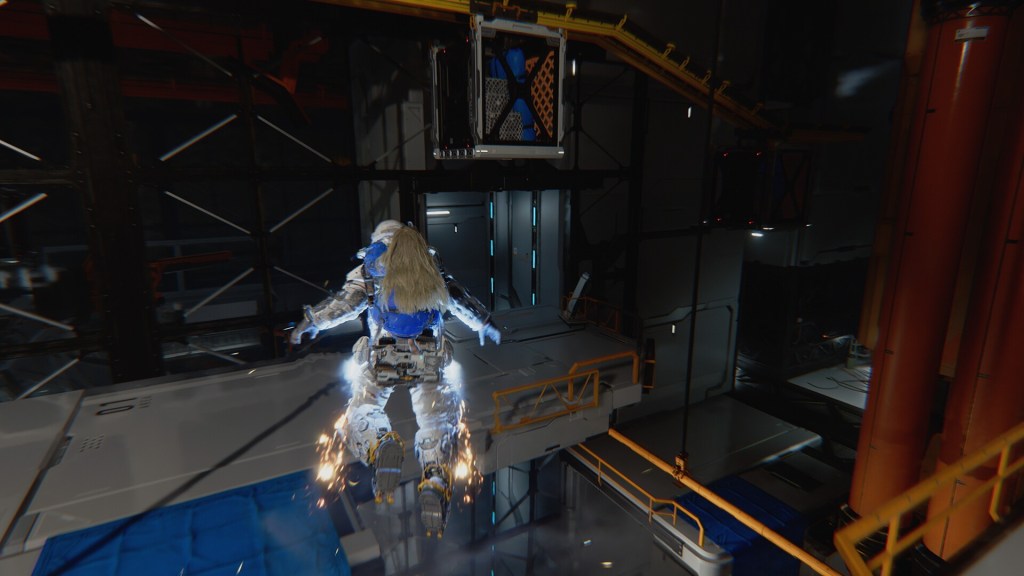
Menkin also notes the comparisons and contrasts between the existing genre of male figures and their tumultuous origins or relationships in Triple-A titles.
“In every interview so far, The Last of Us has come up,” said Menkin, “but there have also been a lot of conversations about quantifying what this game is.”
The comparison seems like a tip of the cap and a disservice at the same time, as the Capcom title has a key theme of possibility and hope, rather than tropes of trauma as the root of all narrative relationships, as in Naughty Dog’s generation-defining tale.
“What I just keep on saying is that in order to do good things, we have to have hope, right? In order to get shit done, we have to feel that there’s a reason for it,” says Menkin.
“Hugh is in a weird situation, but he believes he can help people make good decisions. do good things. People can help other people grow. My job was to make sure that Diana understood and adhered to, you know, the campfire rule. Always leave it better than you found it.
Menkin brings his skills to bear
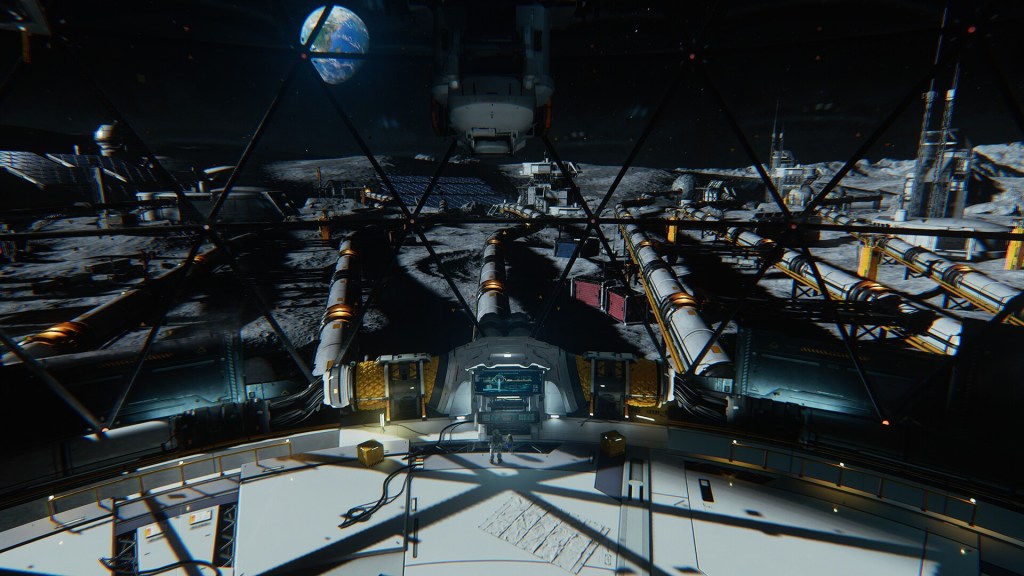
Menkin has hit this performance with everything he had in his acting locker, and that has resonated with fans and critics alike.
“I can do generic dude, I can do it a lot of ways, like he’s cocky, he’s gotta be sad, he’s gotta be galvanized, but this was different.”
He also had some freedom to spread his acting wings and try to take Hugh’s parts at different angles, which is also a rarity in modern gaming timetable crunch.
“I thought I had killed it, and then the team would ask me to come back at it again. I would ask for a chance to come at Hugh differently, to see what else I could find.
“Sometimes we’d go with it, and other times they’d ask me to go back to the original dialogue. The main thing for me was that I would always thank them for letting me try something. And that is an amazing experience.”
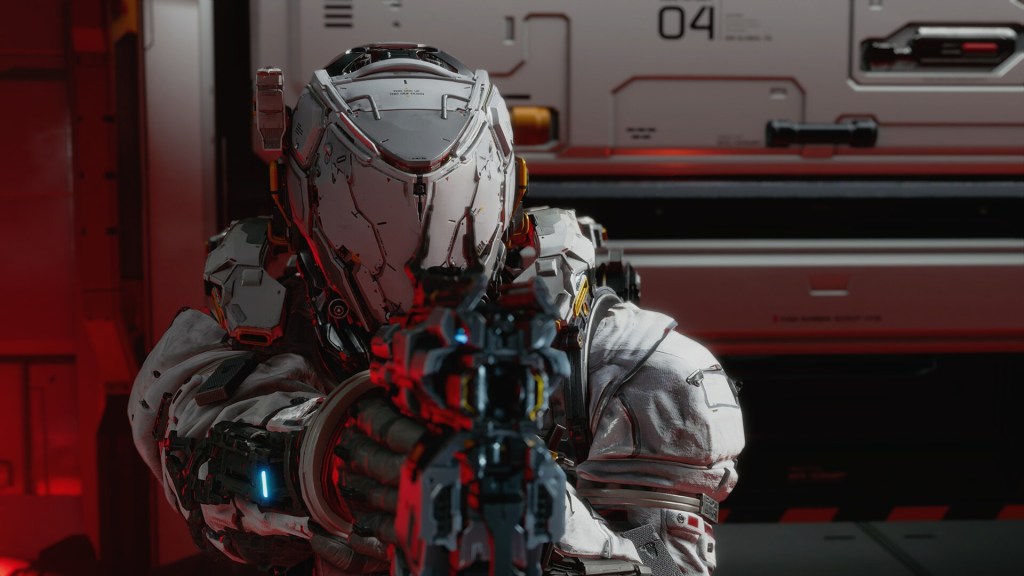
He reflected on a scene that couldn’t be disclosed but mentioned that an external issue had led to the part being recaptured.
“I can’t say what one it was, I can’t say what technical issue caused it, but what I can say is that I thought it was done and dusted. However, we as a team came back, reset, and challenged ourselves to delve deep again, and the result was something a little different, but hit those heights of performance and quality.”
The Capcom title is an example of a game done well, with respect for the narrative, the development team, and the actors, all harmonising to bring a story to life.
Menkin’s humility, his desire to do his best, and his message of hope in hard times are ones for us all to hold dear. He deserves his place in the pantheon of premium performance talent and in our hearts as someone who leaves it all on the floor to tell a deeply resonant tale.
FAQs
David Menkin voiced Hugh Williams in Capcom’s PRAGMATA.
PRAGMATA is a sci-fi third-person shooter with puzzle-solving elements.
No, PRAGMATA is a sci-fi game, not a sci-horror game. While some of the enemies are a little startling in appearance, there are no classic horror elements here.
Most players will spend roughly 11-13 hours with PRAGMATA, with completionist runs taking a couple more hours.

About The Author