Image credit: Blizzard Entertainment
The upcoming World of Warcraft sourcebook for Dungeons and Dragons will come with plenty of ways to run your very own adventure in Azeroth, but the fastest way it will bring flavor to your home games is by bringing official rules for the different Warcraft races.
Either the sourcebook will be creating whole new statblocks, or adapting old ones, but it’s got me wondering just how some of these races will be translated, particular as every race in WoW has an entirely unique set of abilities, traits, and habits that’ll need to be considered for the TTRPG landscape.
Worgen ask to make Werewolves balanced
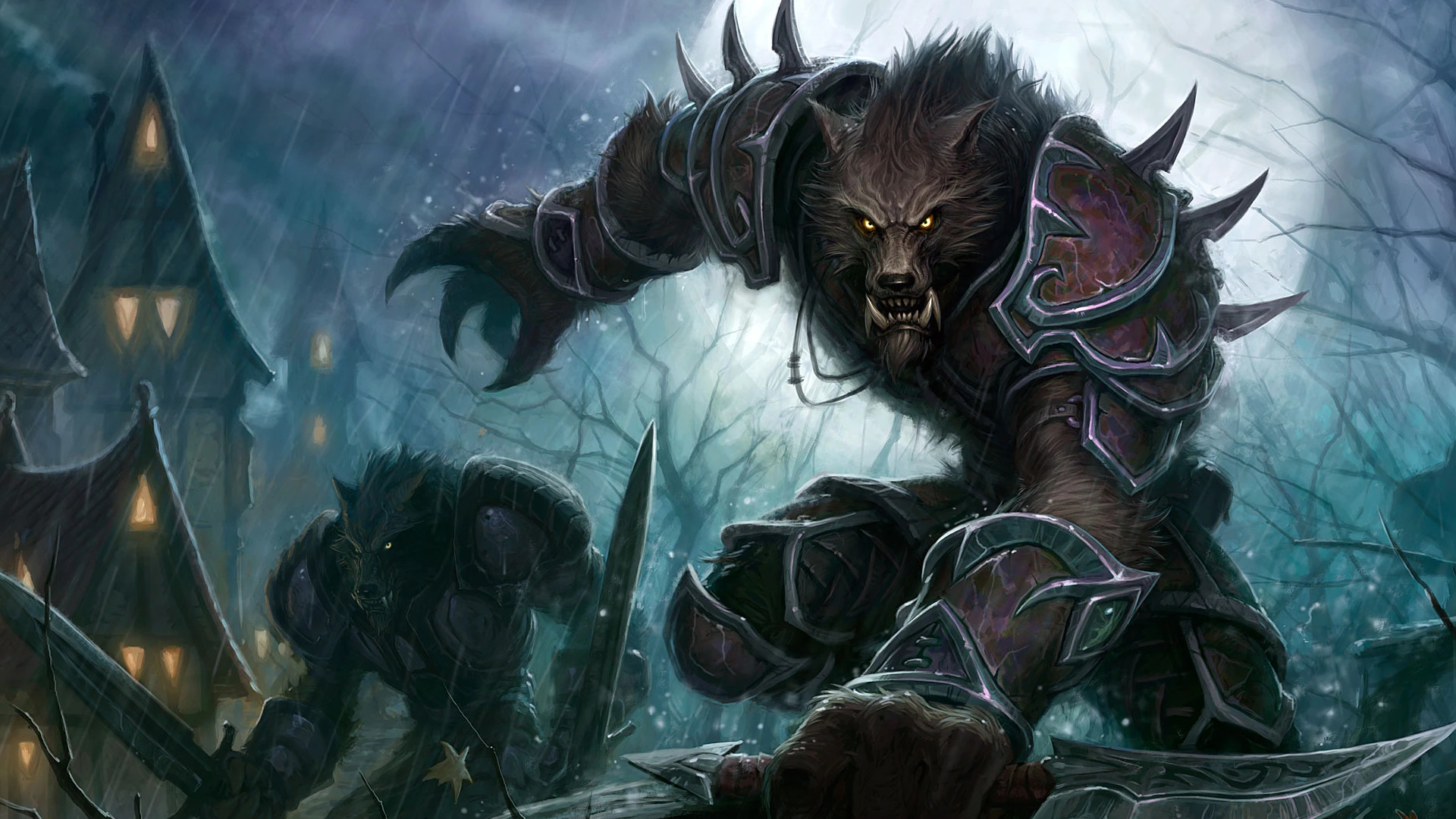
The curse of the Worgen has a long and strange backstory, but really, they’re just werewolves. In World of Warcraft, the playable Worgen can control their transformation at will, and aren’t really prone to going feral, but it’s not like their curse has lost any of its potency.
It isn’t the race’s abilities that cause problems for the Worgen in Dungeons and Dragons – as the ability to change forms or move faster using Running Wild or Darkflight are easy enough to implement mechanically. It’s the wider fantasy surrounding the Worgen that could rapidly spiral.
Unless Dungeons and Dragons is very specific, any Worgen player could easily pass down the Worgen curse to another character with an in-character bite and a failed save. This could be a gift to the right table, but a terror for the unprepared Dungeon Master.
Pandaren are already Monks
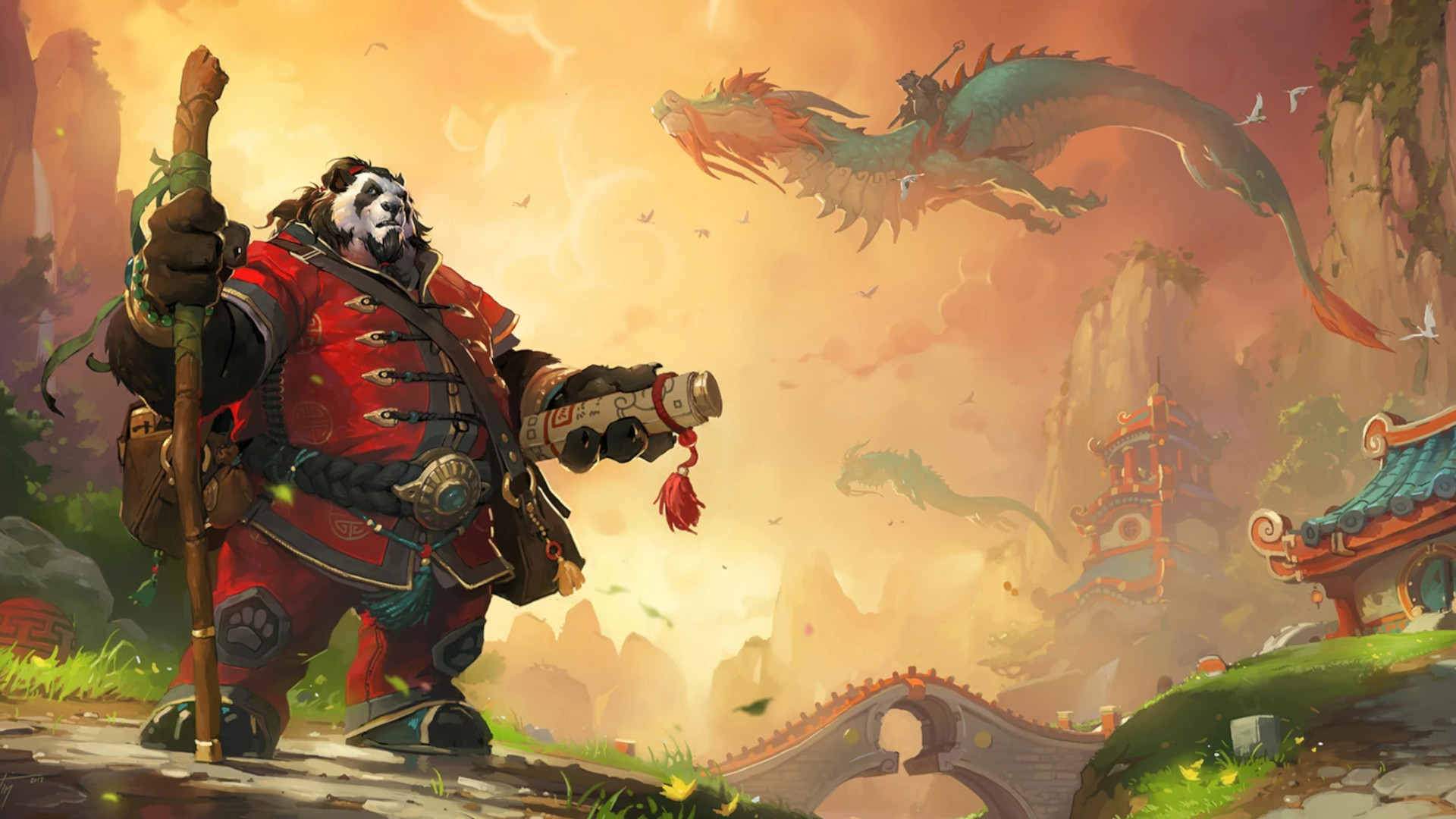
The Pandaren have several abilities that build them out as a light-hearted people, but also make them keenly attuned to the Monk class fantasy in WoW. Weirdly though, you might want to avoid playing Monks as Pandaren in Dungeons and Dragons because of those same effects.
Pandaren are Bouncy, meaning that they take half as much fall damage in-game, which fits the idea of an acrobatic Monk.
However, in DnD, a level 4 Monk can already basically negate minor fall damage. If these don’t interact well, then you might as well double up, but if you do, you’ll have low-level Pandaren making plans to dive bomb enemies from an early level.
There’s the same issue with the Quaking Palm ability, which is more or less just the Monk’s Stunning Strike, and one of the most powerful abilities in any player’s arsenal. Either the Pandaren are about to supercharge Monk, or they’ll be bringing its features to other classes, rendering the whole fantasy moot.
Earthen are robots who eat rocks
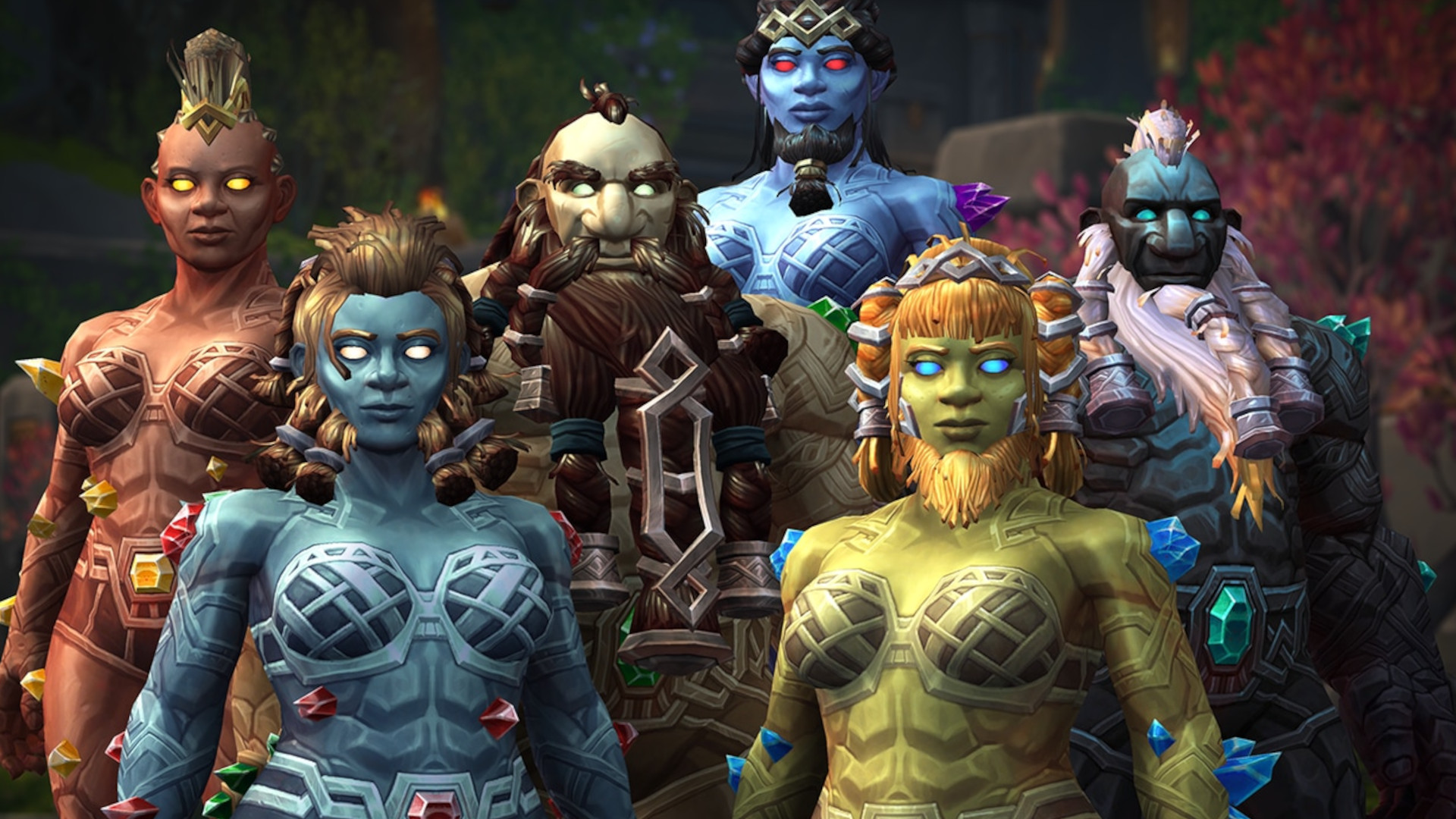
Earthen are the ancestors of the Dwarves, built by the ancient Titans to shape and protect the world of Azeroth. They’re effectively the same as Dungeons and Dragons Warforged, right down to the ability to have in-built armour bonuses. However, the Earthen have some abilities that will translate weirdly.
Namely, their Ingest Minerals trait, which does what it says on the tin. Earthen always have a food-based buff active, but can change what the bonus is just by eating gems.
The best way I can imagine this working is a personal version of the DnD Chef feat – where an Earthen can eat a gem to gain temporary HP. Except, gems in World of Warcraft are a dime a dozen, and in DnD they’re a valuable magical resource.
Forsaken have unusual eating habits
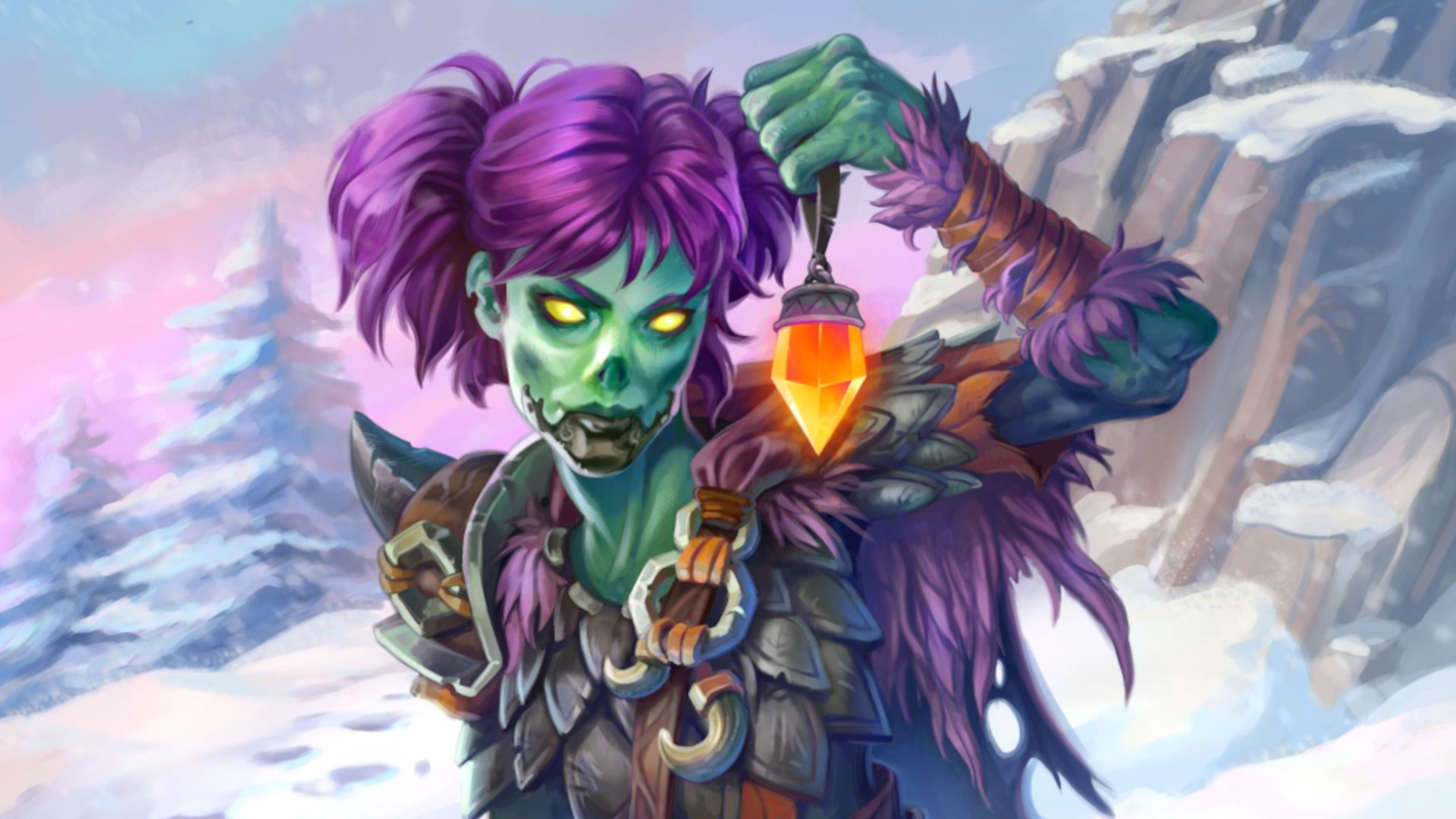
The undead Forsaken should translate into Dungeons and Dragons nicely, as the system already has the Hollow One character option, adding some extra bonuses and mechanical changes for playing as a risen corpse. However, the Forsaken do have some strange extra abilities.
The Will of the Forsaken breaks Charm, Fear, and Sleep effects, and the Touch of the Grave ability gives any of their attacks the chance to drain health, both powerful in the context of Dungeons and Dragons.
What really pushes the system here, though, is the on-the-nose Cannibalize. As you might expect, this means that Forsaken can eat corpses in order to recover their health and mana. In World of Warcraft, this is incidental, a bit of chewy flavor.
In Dungeons and Dragons, this is an ability custom-made to make tables feel uncomfortable, and for players to come up with morbid solutions. A Bag of Holding full of bodies used to just be a redundancy for Necromancers; now it could also serve as back-up healing potions for a Forsaken party.
Dracthyr had one thing going for them
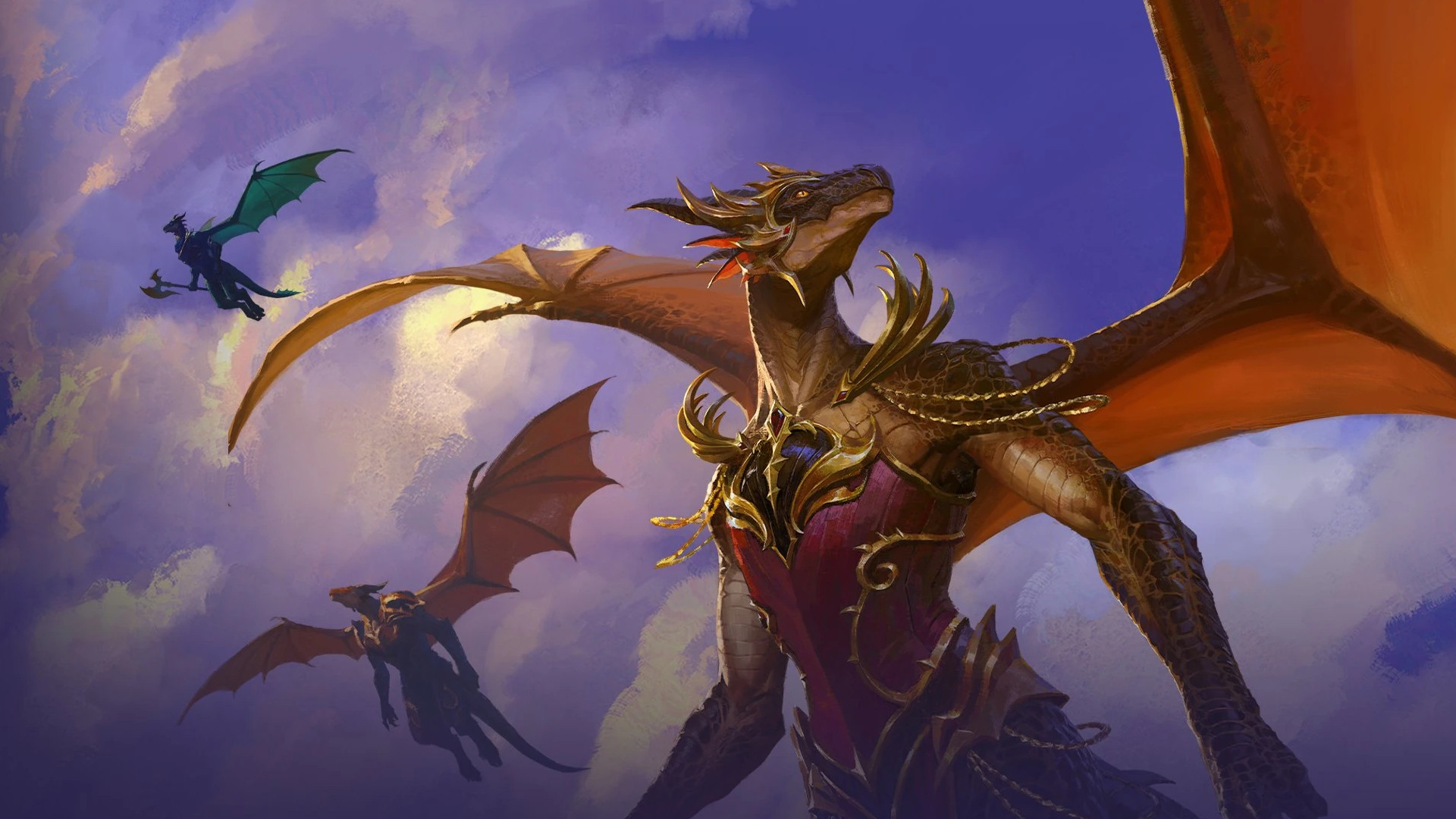
Dracthyr are similar to the Dragonborn of Dungeons and Dragons, from their origins as being created by true Dragons, to their abilities to fly – though the Dracthyr are far more adept at flying than Dragonborn, and that makes up most of their innate abilities.
Beyond Visage letting the Dracthyr put up an illusory appearance, most of their abilities revolve around their ability to fly, which just isn’t that special in Dungeons and Dragons.
Dracthyr are little more than scaly Aarakocra with access to Disguise Self, and their other main point of interest has disappeared as well.
In World of Warcraft, Dracthyr could only play one class, initially, called Evoker, which no other species had access to. They do have other class options now, though. The Evoker class allowed the Dracthyr to channel the different dragon types to damage or heal.
The closest you’ll get to Evokers in DnD are Draconic Sorcerers, which isn’t a terribly creative choice. The Dracthyr’s unique flavor in Azeroth may be hard to translate to the TTRPG landscape.
Mechagnomes bring in fantasy cyborgs
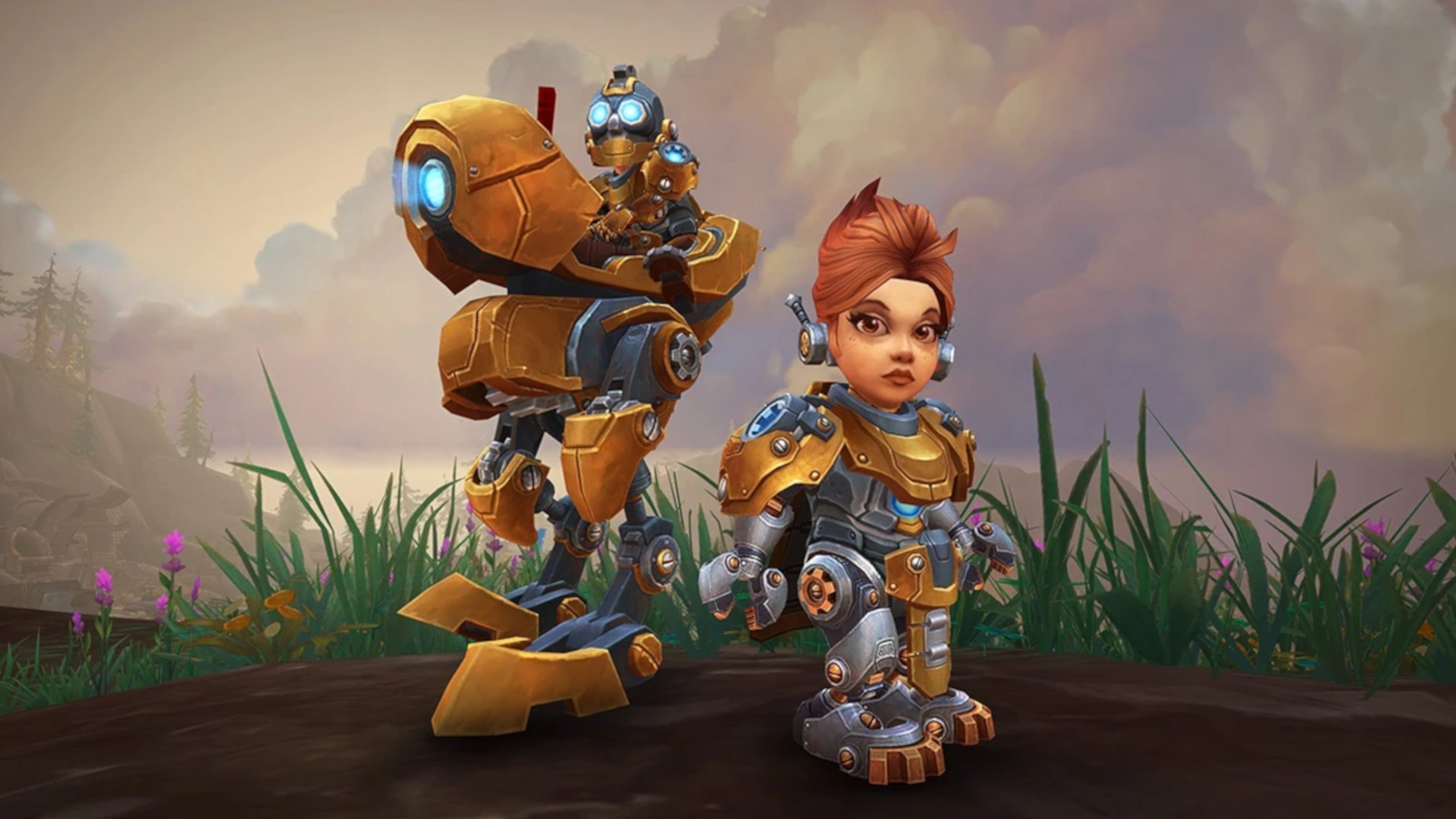
The standard Gnomes of World of Warcraft are the only species that aren’t getting an update in the Dungeons and Dragons sourcebook, possibly because bringing in the Mechagnomes is already enough of a headache for the game designers. The Mechagnomes are Gnomes who have given their bodies metallic enhancements, and thus give DnD their first official cyborgs.
Their actual traits aren’t too hard to translate – Mastercraft turns their bodies into different tools, Emergency Failsafe provides a little healing, and Hyper Organic Light Originator can effectively cast Mirror Image.
The issue I see Mechagnomes presenting is the extra attention to cybernetic enhancements.
Do Mechagnomes just attach magical items to their bodies? Can they survive as just a head? Can they change out body parts to change their ability scores? The sky’s the limit, and that potential is terrifyingly vast.
Night Elves bring up ghostly questions
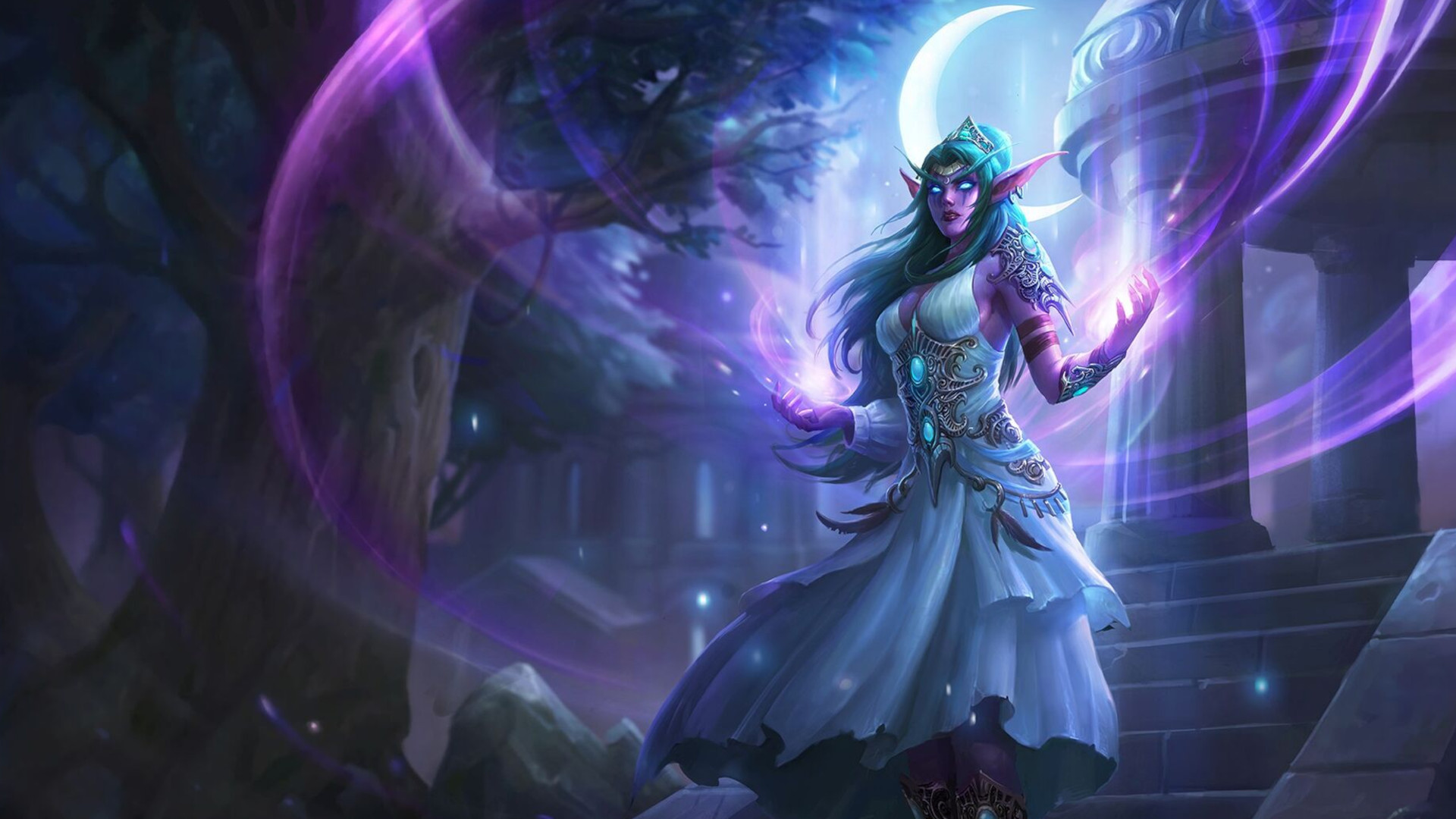
Night Elves are best known for their connection to nature, and for the most part, Wood Elves work well here. Pass Without Trace is close enough to the Elves’ in-game Shadowmeld ability, and having the Druidcraft cantrip available at all times gives plenty of nature-y vibes for any given Night Elf.
The trouble with Night Elves is the difference between the two games’ approach to death. In World of Warcraft, death is an inconvenience that requires you to run back to your corpse to revive.
In Dungeons and Dragons, you can circumvent death with different spells, but generally it’s more of a faff to actually come back. This makes the Wisp Spirit ability for Night Elves difficult to implement, as it allows the Elves to move faster after death to get back to their bodies faster.
Not implementing this would be difficult, as Wisps are a pretty big part of how Night Elf society operates, going back to being the worker units in Warcraft III, but obviously this butts heads over how the two games approach the afterlife. Perhaps it’ll allow a Night Elf to continue as a Wisp until they are revived, which would certainly provide unique texture.
Troll regeneration could break everything
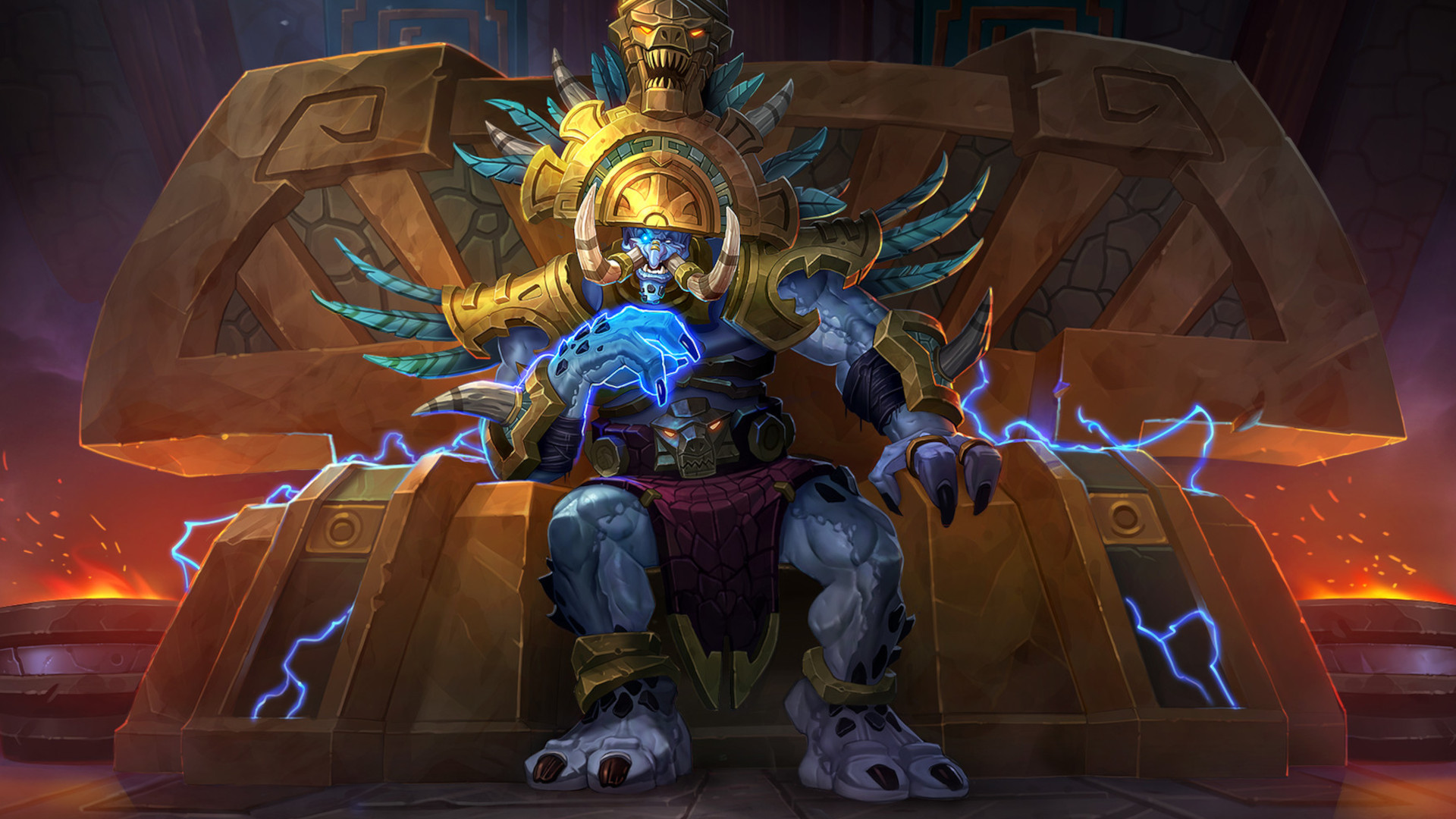
The Trolls of World of Warcraft couldn’t be more different from the Trolls of Dungeons and Dragons.
In DnD, Trolls are monsters, plain and simple, raiders and ambushers who care for little more than eating their captives. In WoW, Trolls are one of the oldest species around, with ancient empires and plentiful divergent cultures. However, they both share the same trait that would pose a major problem for players to have access to – regeneration.
The Regeneration available to the Darkspear Trolls, or Regeneratin’ available to the Zandalari Trolls, is of minor consequence in World of Warcraft, as it provides some extra healing in limited situations. In Dungeons and Dragons, however, it is key to how dangerous Trolls are as an enemy, as low-resource healing is much more valuable.
Any form of free passive healing would make a playable Troll Barbarian or Fighter a nightmare for DMs to deal with, but it’s also a key part of the species, meaning that balancing them will require some very specific calculations.
Vulpera wants a free teleport
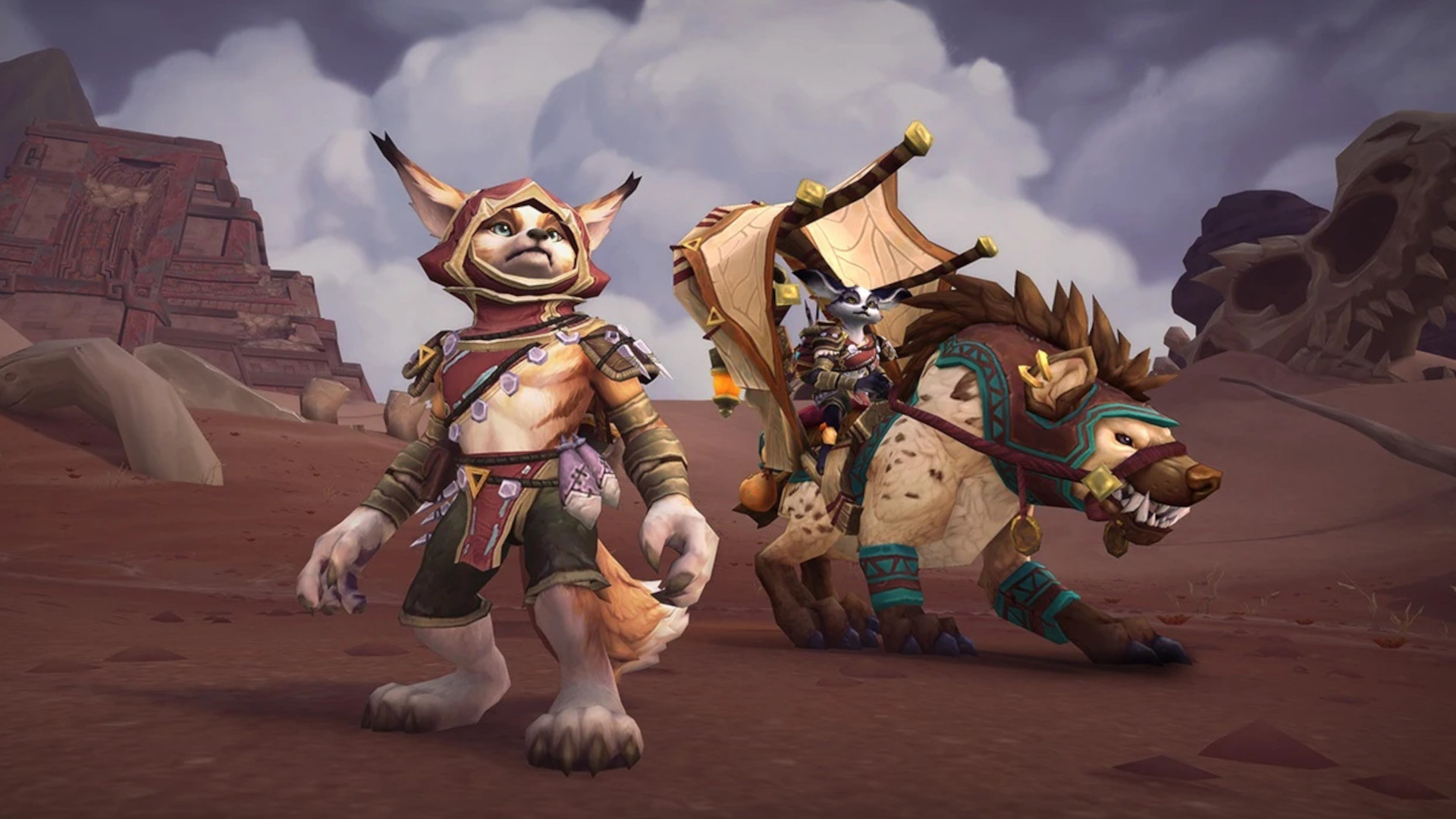
The Vulpera are a desert-dwelling nomadic fox people that are, for some reason, a part of the Horde, and have a host of strange abilities.
Alpaca Saddlebags increases the amount of things you can carry, but also implies Vulpera come with a mount to start with. Bag of Tricks lets you throw out healing or damaging items from your backpack, which gives them wild versatility at low level.
The abilities that I’m most interested in, however, surround the Vulpera camp. Effectively, a Vulpera can Make Camp in a location in World of Warcraft, and at any point use Return to Camp to teleport there immediately. In WoW, this is basically an extra free use of the Hearthstone item, which every player has.
In Dungeons and Dragons, this is a whole species with the Level 5 spell Teleportation Circle in their back pocket, back to what is presumably a safe camp. If this somehow makes it into the sourcebook, the Vulpera might just show up in every possible party.
Goblins have rockets, discounts, and servants
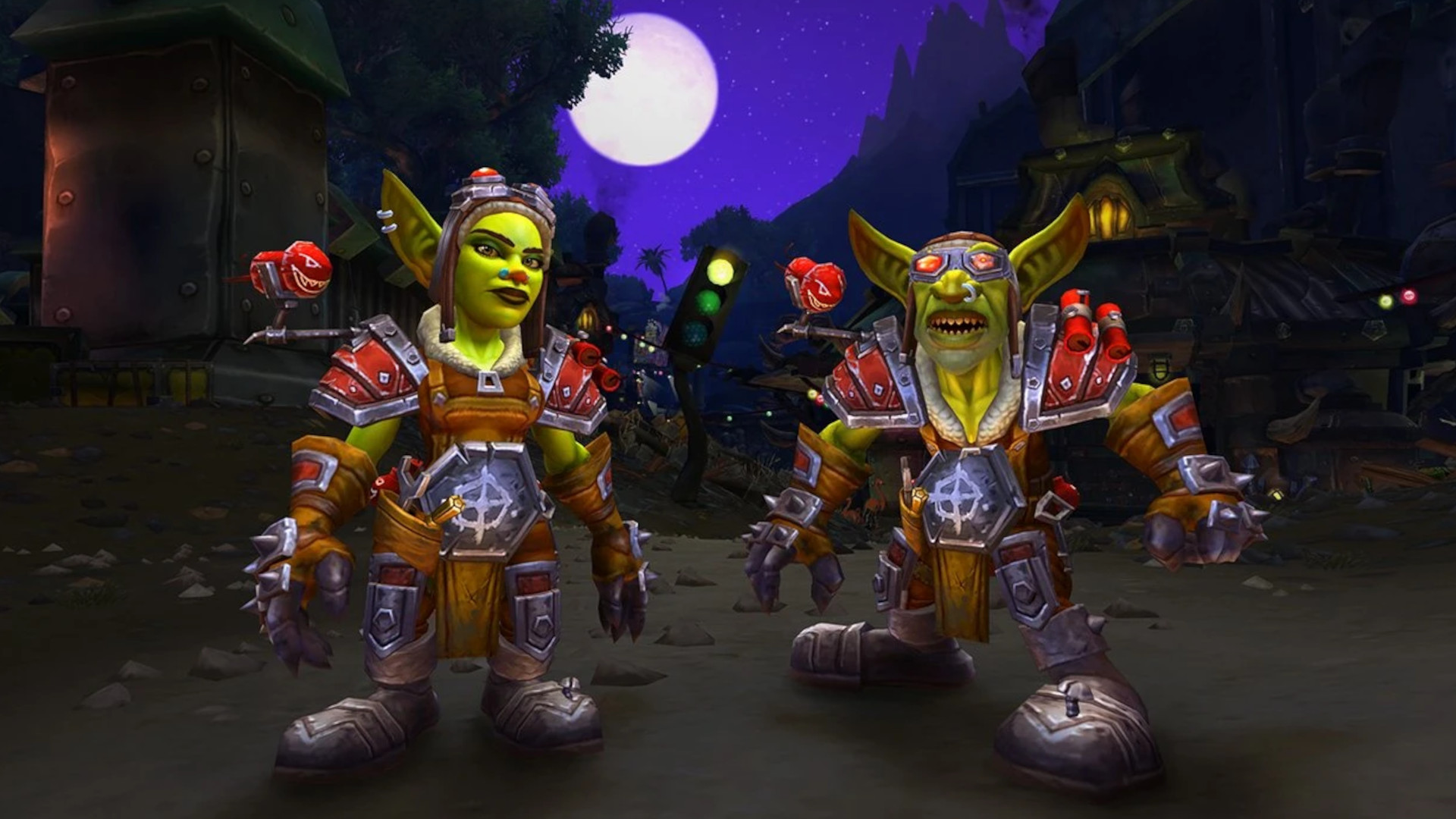
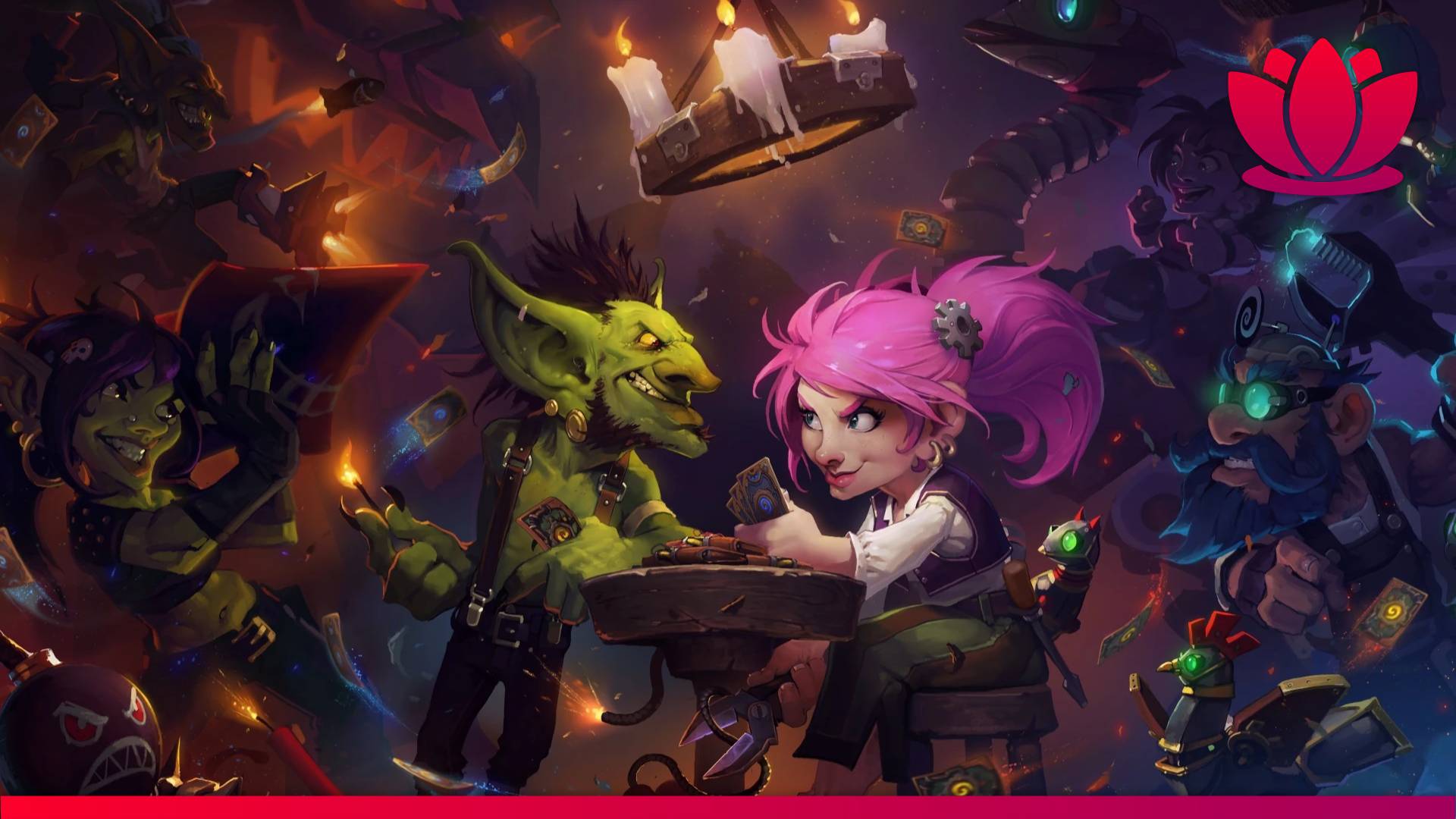
Goblins in Dungeons and Dragons are simple in terms of stats – they’re small, they can move around quickly, and if they hurt you, they can make it hurt more. Goblins in World of Warcraft, however, are the leaders in explosives, environmental exploitation, and letting money do the talking.
Best Deals Anywhere gives discounts at every single store, and Pack Hobgoblin gives every Goblin player their own personal assistant. These already throw strange and exciting roleplay opportunities as a species, but it’s their obsession with rocketry that’s really going to prove difficult.
In World of Warcraft, every single Goblin out there has rockets on hand. They can use Rocket Jump to move around with them, and Rocket Barrage to fire them at enemies. The implications of these, if brought to Dungeons and Dragons, are troubling, to say the least.
The terms ‘Goblin’ and ‘Collateral Damage’ will no doubt become synonymous with any DnD group. It’s promising chaos like this that makes me intrigued to see what the Dungeons and Dragons and World of Warcraft cross-over looks like in play.
FAQs
The DnD World of Warcraft Gameplay Expansion will be released on November 17, 2026.
The new DnD World of Warcraft sourcebook adds all the current playable races from World of Warcraft, though, sadly, not any of the non-playable ones currently. Maybe one day we’ll get Naga.
The World of Warcraft DnD sourcebook will provide rules and examples for how to play each of the Warcraft classes and specialisations in Dungeons and Dragons. It will also add 6 subclasses, and update 3 other subclasses to make this easier. For example, a Death Knight will be playable as a Paladin with the Oath of the Ebon Blade.
Yes, the DnD World of Warcraft sourcebook will add in over 20 factions, and a renown system in order to track your reputation with them in-game.

About The Author