Image credit: Filiokus
There are very few things I hate in the world. Math is one of these few things. Ever since scraping a pass in school and being flustered by having to figure out people’s change working in a shop, it’s been a consistent demon for me – but Talystro may be the game to change that.
I’m only partially kidding, too. The demo for the numerical deck-builder is a hell of a lot of fun, with a beautiful art style and a gameplay loop that stands out in the admittedly crowded roguelite genre. Here’s my first impressions of the PC demo.
Cheesing the enemy

In Talystro, your aim is to battle against hordes of sentient numbers and take down the ominous Necrodicer.
It’s a deck-building game, but instead of simply clicking away at the cards in your hand, you’ll need to match the value of the numbers in front of you, filling in the gaps with the dice you’ve rolled each turn.
For example, to defeat a seven, your card will need to be equal to seven – either adding a six to a card that adds one, or a five to a plus two card. There are multiple ways to reach the desired sum, and as you progress through the game, you’ll unlock new cards that provide even more detailed equations to fill out.
If you get stuck with the dice you’ve rolled for that turn, you can reroll or change the value of the dice by one. These resources can only be used a limited number of times, adding an extra layer of strategy.

Equally, it’s possible to block an enemy when they’re about to attack by matching the number shown on their attack die. If they’re attacking you with a six, you’ll need to roll a six and drag it onto their attack marker to block the attack.
Just like the reroll and stat change resources, you’ll have a limited number of blocks available. Don’t worry, though – an enemy attacking with a six doesn’t mean they’re going to insta-wipe you with six damage.
As you might expect based on the genre, levels in Talystro take you through increasingly tricky, linear paths of enemies. You’ll be able to choose your difficulty for the next encounter as you go, letting you weigh up risk and reward based on your current HP and collection of cards.
Becoming the rat king
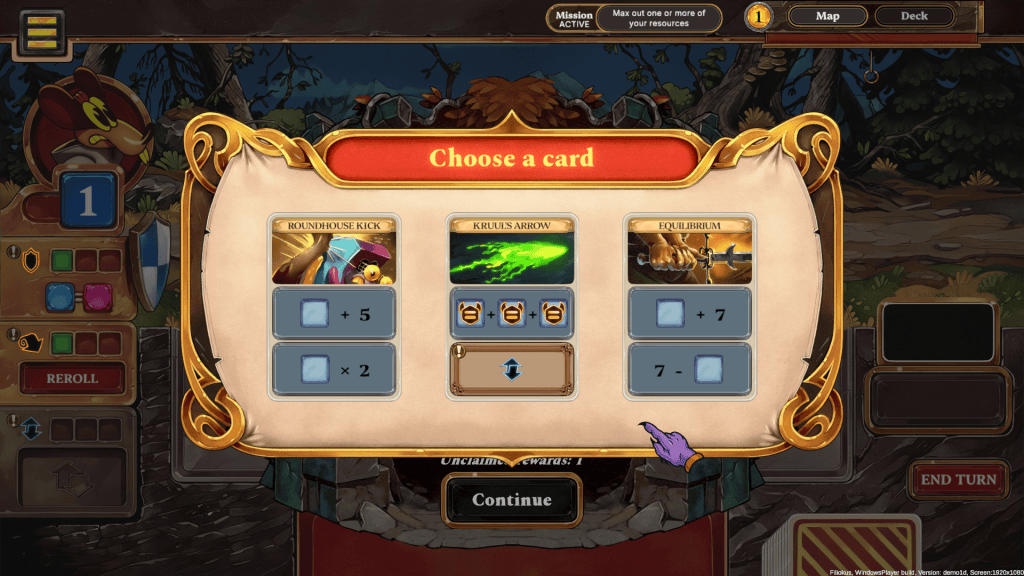
I play a frankly ridiculous amount of roguelites and roguelikes, and I’m pleased to say that Talystro felt genuinely unique compared to most of the titles I’ve seen in the past few months.
The gameplay loop is unique and rewards you for thinking strategically. There are always several ways to deal with an enemy and get the right amount of damage onto the board, and the resource system helps to add an extra level of strategy into the mix. It’s not the sort of game you can zip through without thinking.
The demo was fairly generous, too, offering both the regular and expert modes for players to experiment with.
The expert mode felt like it significantly ramped up the difficulty; it was fun to play through after spending some time in the normal mode, and I felt it struck a fair balance, making it rewarding to beat a level but not frustrating.
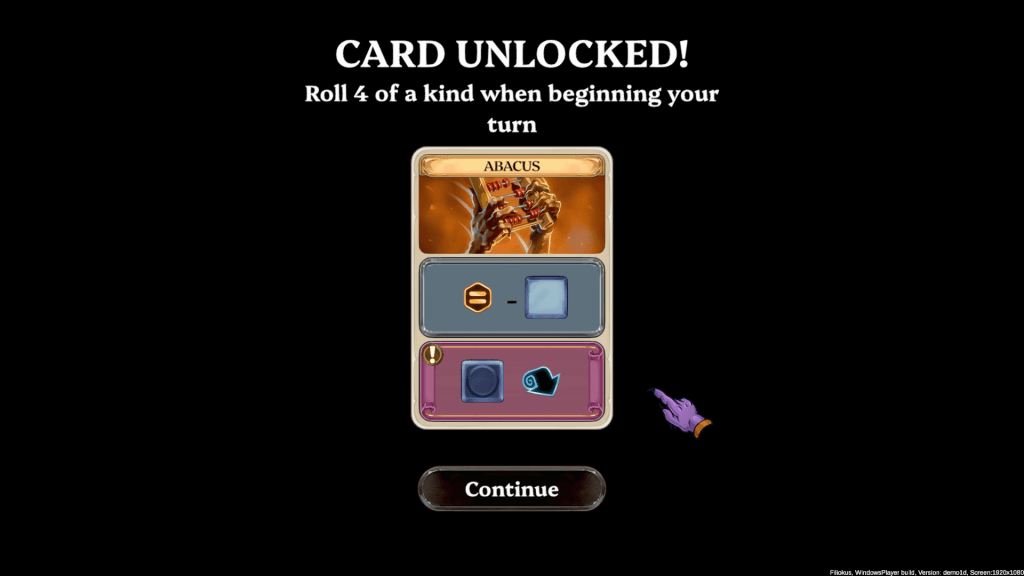
Visually, Talystro is an absolute delight. It’s got an almost grainy, cartoonish style, and it feels refined and polished. The animations for different attack types were a particular highlight for me.
In terms of performance, Talystro didn’t throw up any major quirks or issues during the demo. It ran smoothly with no noticeable frame drops, other than a one-off case where the ‘end turn’ button didn’t seem to work in the tutorial – this was easily fixed with a refresh and didn’t occur again.
If you’re a roguelite and roguelike fanatic, you’ll find plenty to get excited about with Talystro. As a fan of the genre, it’s sometimes hard to imagine how developers might put a spin on a format like a roguelite deck-builder, but that’s exactly what Filiokus has done. I’ll be keeping a close eye on the full release.
FAQs
Talystro was developed and published by Filiokus.
Talystro is a numerical roguelite deck-builder, prioritizing strategic thinking in battles against sentient, angry numbers.
No, Talystro may be a numerical roguelite, but you don’t need to be a math pro to play it – I can confirm this as someone who’s numerically challenged. The equations and sums in the game are generally simple.
The best roguelike games include RACCOIN: Coin Pusher Roguelike, Balatro, Slay the Spire, Slay the Spire 2, Hades, Hades 2, and Darkest Dungeon II.