Image credit: Koei Tecmo
What’s the most unique perspective you’ve seen a story told from in a game? While there are all kinds of examples, Fatal Frame 2: Crimson Butterfly still offers one of the most unique: a small, antique camera you’ll be clinging to for dear life.
Releasing on March 12, 2026, this survival horror tells the tale of a village plunged into eternal darkness through the camera as much as through the perspectives of its twin protagonists. Not only do you see a new side to the village through its lens, but it’s the main weapon you’ll use to exorcise the horrors that dwell within.
These spirits of the dead become pure nightmare fuel in this from-the-ground-up remake. This is Kyusai’s spoiler-free review of Fatal Frame 2: Crimson Butterfly, a new, terrifying, and meticulously crafted horror game experience.
The ritual begins again
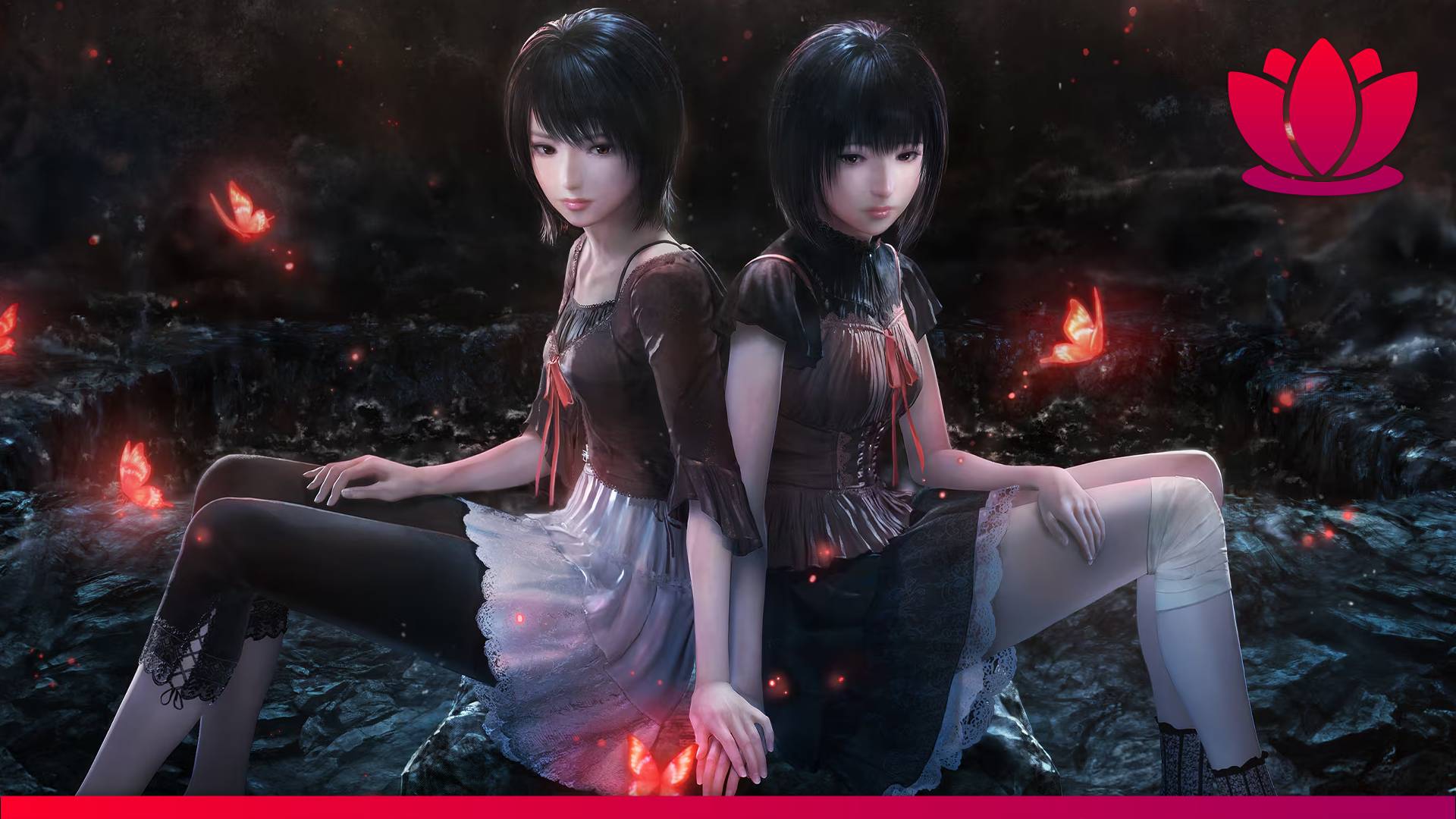
First released in 2003 under the title Project Zero Two in Europe and Zero Crimson Butterfly in Japan, Fatal Frame 2 follows twin sisters Mio and Mayu. This tale stays faithful to the previous releases, beginning when Mayu is lured into a village by the glowing wings of a crimson butterfly.
Mio follows her sister deep into Murukami village, a place trapped in an endless darkness after a failed sacrificial ritual. To protect herself and her sister, Mio uses a device called the camera obscura to exorcise the parade of spirits closing in on them both. This camera is your primary weapon, and by aligning the focal points of your camera lens with the spirits, you can lay even the most terrifying ones to rest.
Aligning more focal points in your shot makes your attacks stronger, and catching spirits before they attack you triggers a devastating fatal-frame shot. These shots are clearly indicated by a flashing red light at the top of your camera, so you’ll never miss the chance to snap the perfect picture.
That is, if you conserve your film, you need to reload your ammunition after every shot. While some like the Type-90 reload much faster, others like the Type-00 take longer and are far more powerful, but you can only hold so many of each at any time.
Your camera’s film capacity can be increased with prayer beads, collectables you’ll find scattered around the village. These provide a wealth of useful upgrades, like extra focal points and better focus, but they never take away from how vulnerable you feel.
Every resource feels precious from beginning to end, including the new willpower stat. This is drained when you make direct contact with a spirit, but if you conserve enough of it, you can use some to trigger special shots that either blind enemies or deal much greater damage.
The closer the spirit is, the stronger your attacks are, but the closer it will be to dragging you into your own personal hell. The small viewfinder of your camera blocks what’s creeping up around you, but this encourages you to hold your nerve by design.
Exposure therapy

Many survival horrors will have you hiding from your fears, but here, you have to come face-to-face with them. This provides a consistent yet enticing sense of claustrophobia, luring you towards the spirit list to learn the tragic tales behind them.
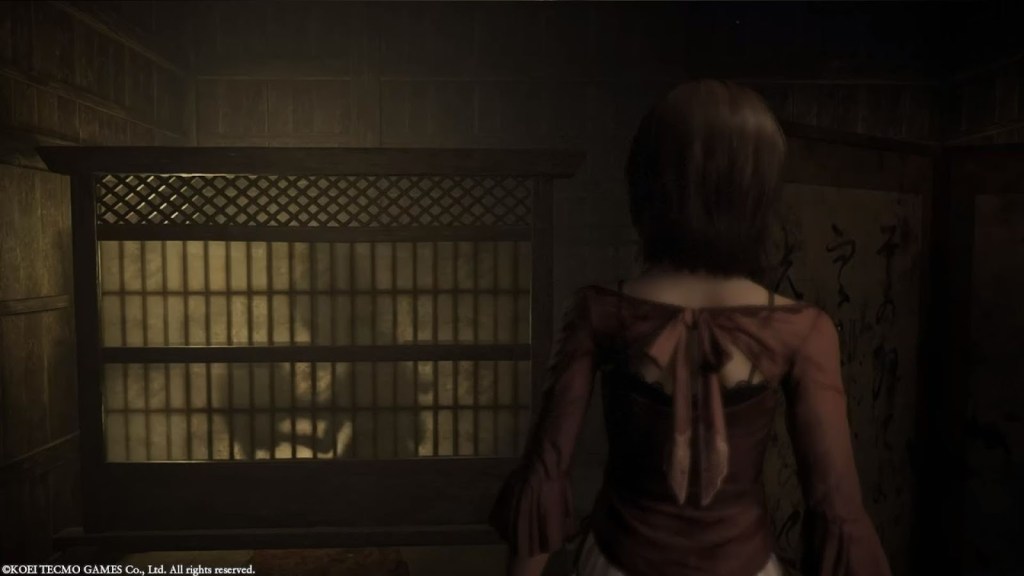
It’s not just the camera that naturally limits your peripheral vision. One of the most notable changes in this remake is the new over-the-shoulder camera angle, following in the footsteps of the Silent Hill 2 remake. And with good reason; it makes you fear for your life all the more.
While this changes the feeling of each horrifying scene, it’s restrictive in the best ways possible, showing you just enough to lure you deeper into its tragic setting. This new perspective and entire visual overhaul are just some of the many changes that turn this classic story into a modern survival horror experience.
The new filter mechanic changes this perspective, giving you different filters that let you see traces of the past, see once invisible objects, and one that can clear blood. These also expand on the tragedy of Minakami village, giving you more insight into its past than ever before.
This is only improved with the help of some extra bits of collectible, delectable lore. I couldn’t help but read every diary I found or listen to every voice note l that I could find along the way, making the mysteries of the village into an even more vital piece of the puzzle.
Additions like these improve the world-building and the experience, as does the spatial audio, which makes sure you always hear where the haunting cries of spirits are coming from. If you want your experience to be as terrifying as possible, then this is absolutely a game to play with headphones on.
Historical record
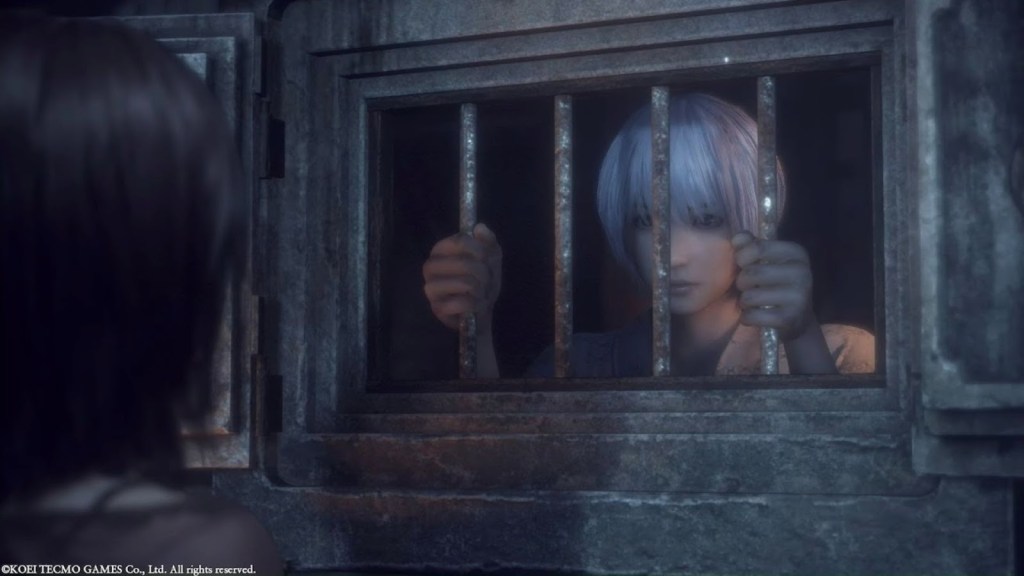
There are so many improvements that not all of them have their full impact. Holding hands with Mayu will restore your health, but it is more of a sweet sentiment than an actual feature, and you won’t have many opportunities to use it. Mio is braving the dangers alone for the majority of the game, with spirits lying in wait to jump her beyond every door she opens or item she picks up.
The same camera techniques are also used for jumpscares throughout your entire playthrough, zooming in on the doors you open or following you down to where you pick up items, so it’s down to the captivating designs of the spirits to draw you in and shake you to your core.
It was the continued additions of new spirits and my curiosity about them that kept my blood running cold throughout. This experience will grip those who want to learn more about the haunting spirits pursuing them, so it relies heavily on your curiosity to captivate you. Each of these spirits and the village’s setting has deep roots in Japanese folklore, making the experience equal parts haunting and beautiful.
Meticulous beauty
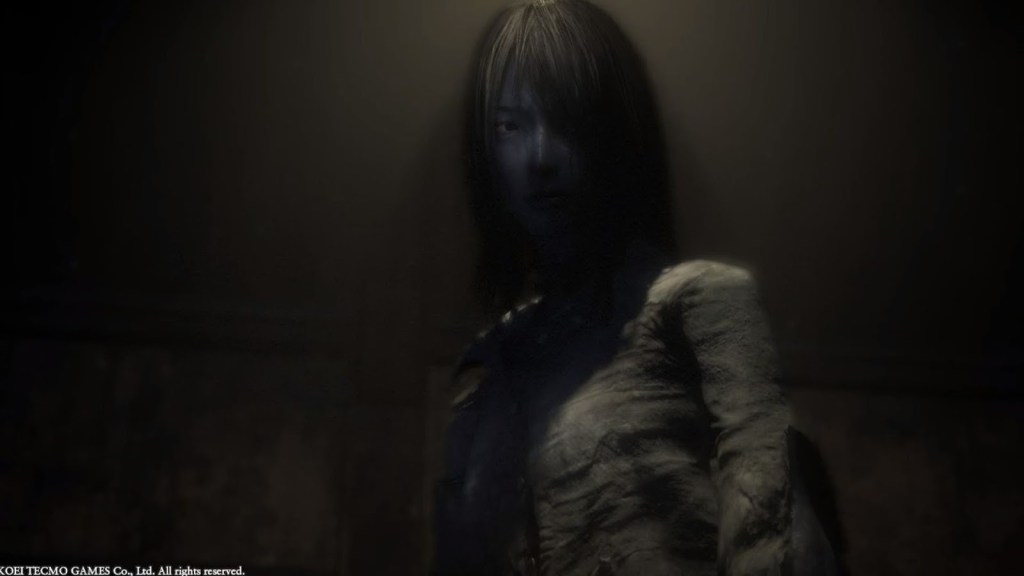
The streamlined length and the frightening revelations throughout kept the fear from ever losing its edge for me. The eight chapters took me anywhere between an hour and two hours each, making my runtime roughly 16 hours for a first playthrough.
I reviewed this on the Nintendo Switch 2, and although the picture quality is just as crisp and the ghosts are just as haunting in handheld mode, it lost some of the atmosphere for me. The horrors of the village deserve your full investment, and you can expect them not to haunt you as intended if you’re playing on a small screen.
Although I can’t say much now because the best parts are under wraps, I found several different endings carried over from the original and Xbox releases of the game. There is supposedly one new ending, which I am still snapping my way through nightmare mode to obtain.
This, along with all the new additions in Fatal Frame 2: Crimson Butterfly Remake, creates a fresh and beautiful horror experience that brings the franchise into the modern day.
There’s a meticulous method to its horror, and one that makes it not for the faint of heart. I’m already in my second playthrough to make the most of the experience, or maybe that’s because the red wings of crimson have lured me in all too deep…
FAQs
Yes, Fatal Frame 2: Crimson Butterfly Remake is a from-the-ground-up remake of Fatal Frame 2, releasing March 12, 2026.
Yes, the Fatal Frame games do not have to be played in chronological order.
Fatal Frame 2: Crimson Butterfly is considered to be the most popular Fatal Frame game.
Fatal Frame 2: Crimson Butterfly has several different endings, all depending on which version you play.

About The Author