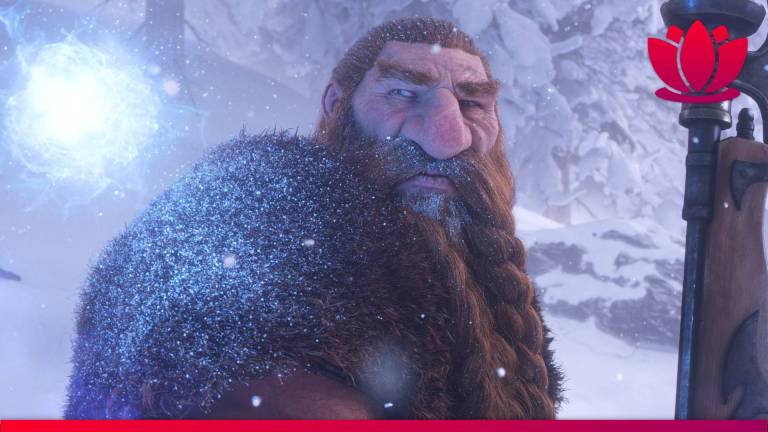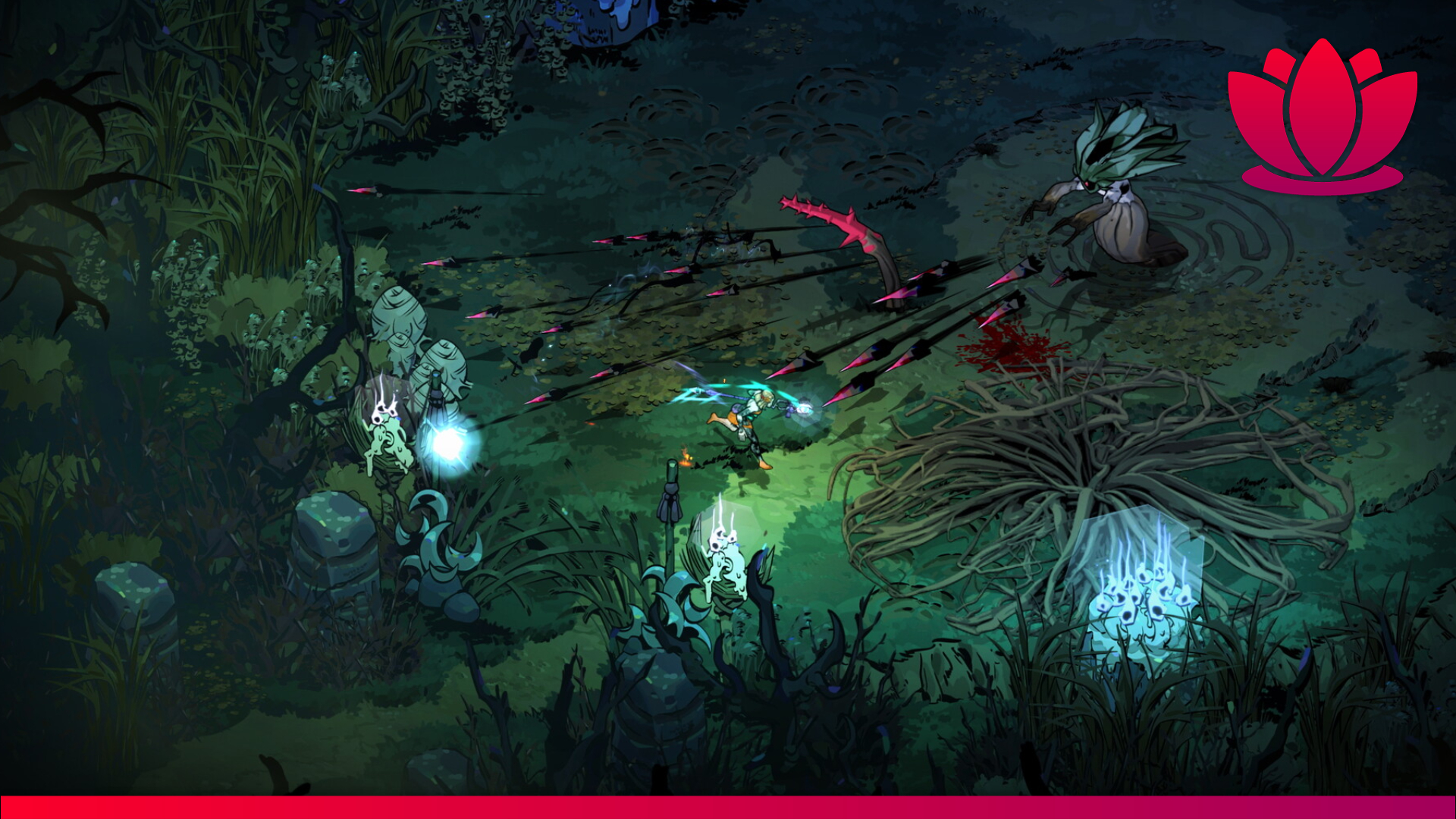
Image credit: Supergiant Games
If you’re a fan of roguelikes and dungeon-crawlers, chances are that you’ve spent some time in the world of Hades or Hades II. The franchise is iconic in the niche, particularly for mythology and history geeks.
Ahead of the BAFTA Games Awards, I had the opportunity to chat with Greg Kasavin, Creative Director at Supergiant Games, about his work and the journey behind the gem that is Hades II.
Mesmerizing mythology
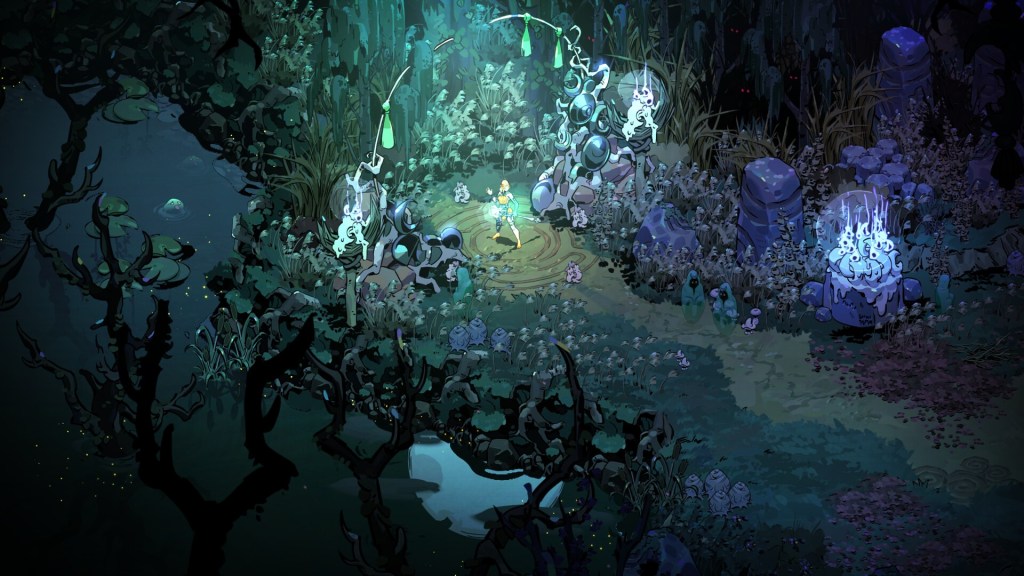
Hades II received several nominations for the 2026 BAFTA Games Awards, including animation and game design. I spoke with Creative Director Greg Kasavin ahead of the ceremony on Friday, April 17, 2026, diving into what makes this game so compelling.
We started with the journey behind Hades II, with Kasavin sharing where the game began and what the team’s first steps were.
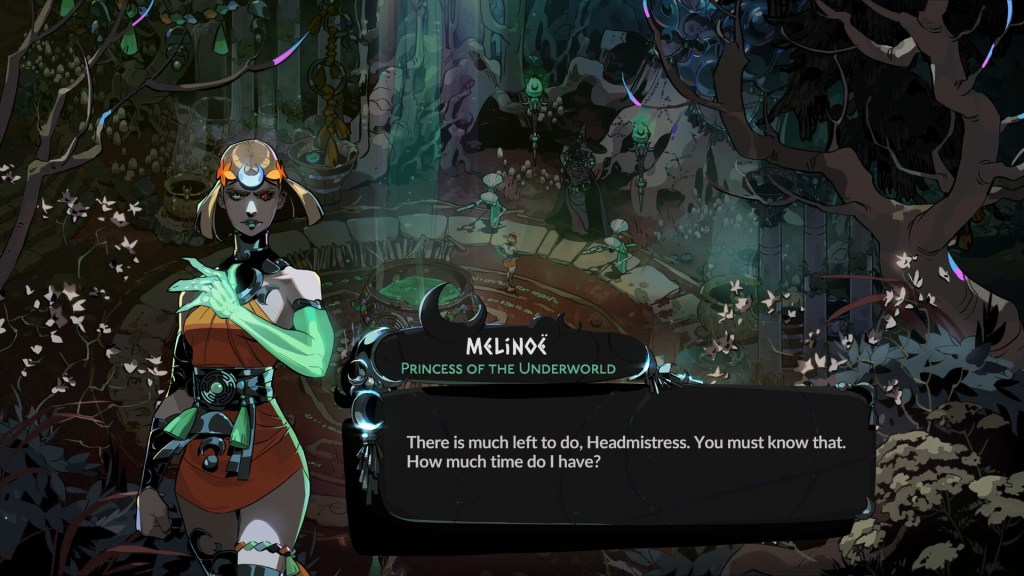
“At the heart of Hades II was Melinoë, the Princess of the Underworld and the game’s new protagonist,” Kasavin explained, “Our excitement for this project was rooted in focusing on her and her story.
“Classical mythology tells us very little about her, but as with Zagreus from the original game, it was just enough to get us very excited to try and better understand what she’s all about.”
I wondered whether the team had been feeling pressure to live up to the success of their first game, and how it felt to create a second game versus a brand-new IP.
“I think there’s a certain type of pressure that comes with trying to follow up after anything successful,” Kasavin answered, continuing that the pressure generally comes from within, as it’s natural to wonder if you have it in you to live up to the work you’ve created before.
“We first experienced a version of this back when we were working on Transistor, our second game,” he continued, “Our first game, Bastion, was an unexpected success, so while working on our second game, we often wondered how it’d be compared to our first.
Kasavin noted that the successes for Hades and Bastion were on different levels, but that the experience of working on Transistor helped the team work with high expectations in mind – both those of players and themselves.
“Our way of navigating this type of pressure is ultimately pretty straightforward,” Kasavin concluded, “We try to make each game the best game it can be, while having its own distinct identity. Each of our games should be able to stand on its own merits, and be capable of being the favorite game in our catalog for one of our players.”
Looking at roguelike dungeon-crawlers as a niche, I asked Kasavin what he thought was essential for a game in the subgenre to be enjoyable – he answered that it was the quality of the moment-to-moment play experience.
“If the things you’re doing in the moment… aren’t interesting and pleasurable, nothing else matters,” he explained, saying that creating a wide variety of builds and possible outcomes was also crucial, helping the game surprise and delight the player consistently.
Staying inspired
While Hades II undoubtedly took a mountain of work from all parties involved, it also seems the process of creating the game was joyful. I asked Kasavin if he had any favorite moments from the development period.
“I’m fortunate to work with some very talented people,” he noted, praising the team’s Art Director, Jen Zee, and Audio Director, Darren Korb, saying that getting to experience their
work “hot off the presses” was a real treat.
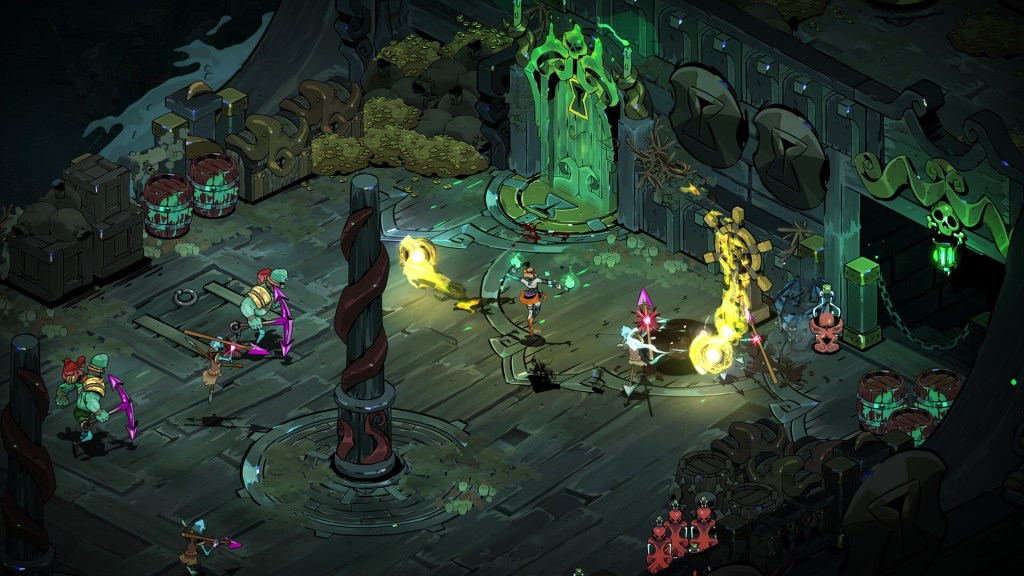
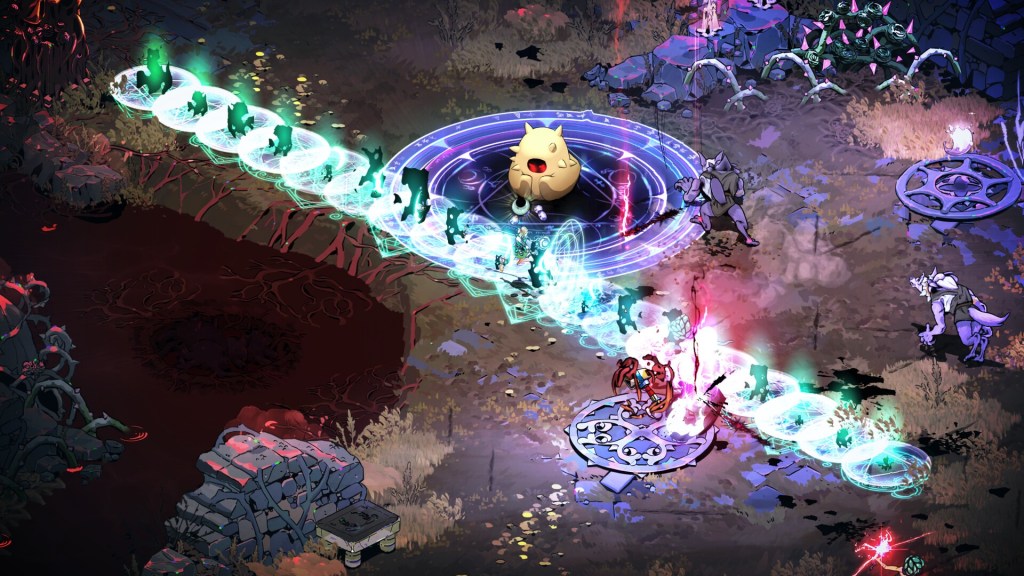
“One moment that comes to mind from relatively early in development was when we got the encounter with Scylla and the Sirens up and running,” Kasavin continued, “The music, voiceover, artwork, boss design, and sheer absurdity of the situation all worked together to feel like something with a lot of positive potential.”
Looking at the community and the rise of the Hades fandom, Kasavin shared that the team had been simply blown away by the level of excitement around the franchise, adding that they’d never had something like this with previous titles.
“We were taken aback by how deeply some of our players engaged with these games, sometimes playing for many hundreds of hours, just because they found the gameplay and worlds of these games to be so compelling,” he enthused.
Kasavin also praised the creativity of community fan art, mods, cosplay, speed runs, and musical covers, saying that the team loves to share these internally.
Looking at game development as a whole, I wondered how Kasavin managed to stay inspired and motivated while working on a project like Hades II.
“Game development can be really exciting,” he explained, “But also really challenging and time-consuming! Hades II took us about five years, all in all. It really, really helps to be working on something you’re genuinely excited about, with people you trust and admire.
“…I’ve found it’s really important to appreciate the development process itself, and not just be fixated on the end result. No matter the outcome, you’re going to learn something and likely be better for it in some way. I’ve wanted to make games since I was a little kid, and haven’t lost that motivation yet.”
For anyone hoping to break into a creative director role, Kasavin encourages folks to pick up a craft related to game design, like art, writing, or design, and focus on how they can use that skill to get their collaborators excited.
“In this role, it’s important to understand and empathize with every discipline that goes into the making of a game, including things like engineering and localization, and not just things like music and animation,” he noted, saying that effective creative directors should be able to elevate the ideas of others, not just push their own concepts.
With so many incredible indie games coming out in 2026 and beyond, I asked Kasavin if there were any studios or titles that he felt players should be excited about.
“The first studio that springs to mind here is Taiwan-based Red Candle Games, whose most recent game was Nine Sols, which is one of the coolest Metroidvania-style games I’ve ever played,” He shared, before adding that he loves anything by Vanillaware, highlighting Unicorn Overlord as an incredibly beautiful title.
“As far as upcoming games go, Phantom Blade Zero is high on my list,” he continued, “It looks like some amazing cross between Devil May Cry and Sekiro, so right up my alley.”
Kasavin concluded with a message for the fanbase, saying, “To all our Early Access players of both Hades and Hades II, thank you so much for your thoughtful feedback and critique, and always holding us to a high standard. We certainly couldn’t have done it without you, and we’ll always be grateful for your faith and support.”
If you’ve not taken a look at Hades II (or the first Hades, for that matter) then you’re missing out – it’s a diamond of a game. Based on the chat with Kasavin, it’s clear that an unbelievable amount of love went into its creation, so it’ll be exciting to see how the BAFTA Games Awards unfold for the title.
FAQs
The initial launch of Hades II was on September 25, 2025.
Hades II is a mythology-inspired roguelike dungeon-crawler.
Hades II was developed and published by Supergiant Games.
The BAFTA Games Awards with Google Play 2026 will take place on Friday, April 17, 2026.

About The Author