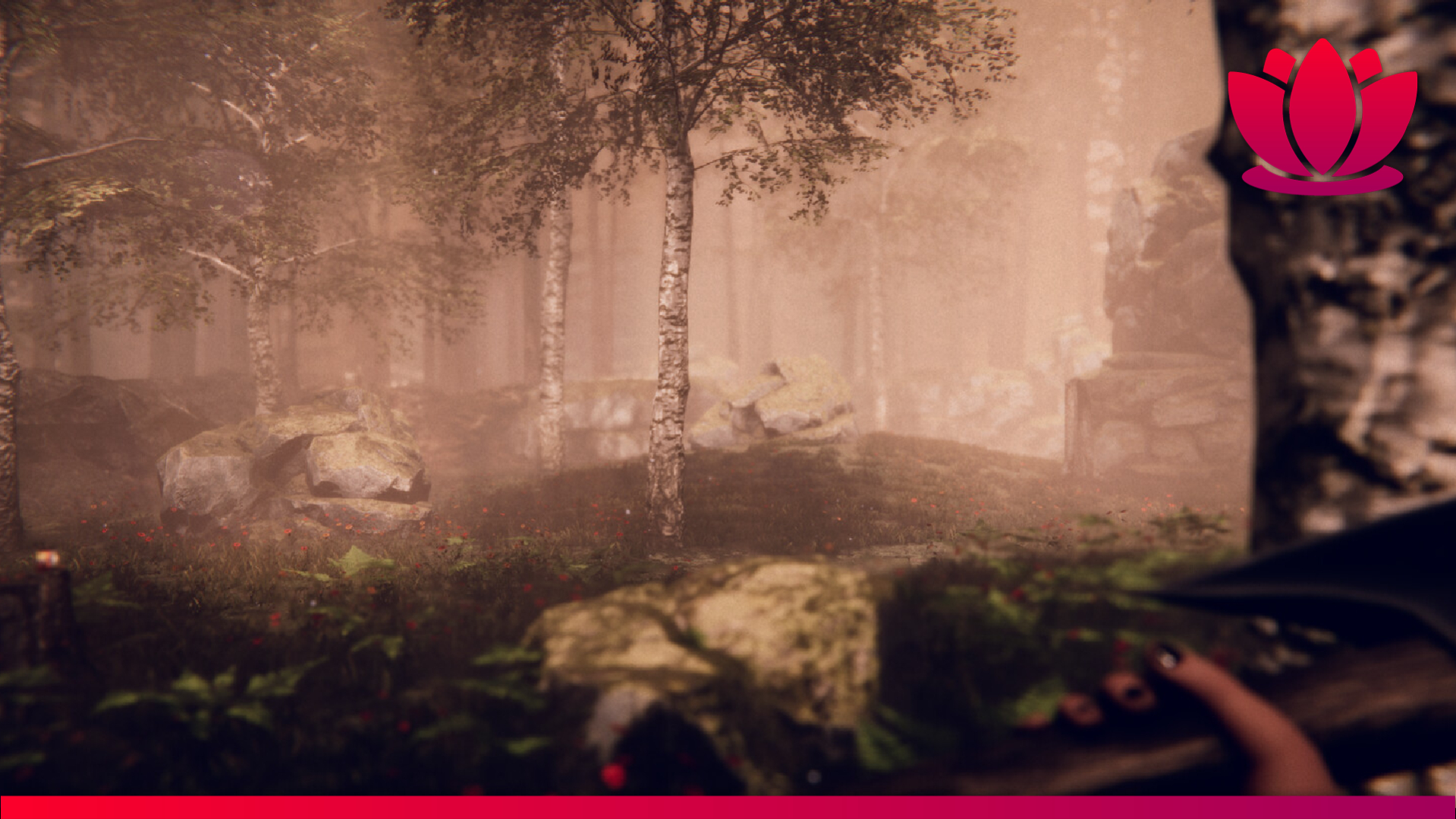
Image credit: FYRE Games/Conner Rush
Project Songbird is a perfect example of how to build a tense but not overtly frightening atmosphere in a horror game. This bite-sized atmospheric horror will go down well with fans of Alan Wake and What Remains of Edith Finch.
As someone who can’t get enough of narrative-driven horror games, I was utterly delighted by Project Songbird. While I don’t think it’ll be the ideal game for every player, for some, it’ll be their dream title. This review has been kept spoiler-free and was completed on a PlayStation 5.
Ridiculously beautiful
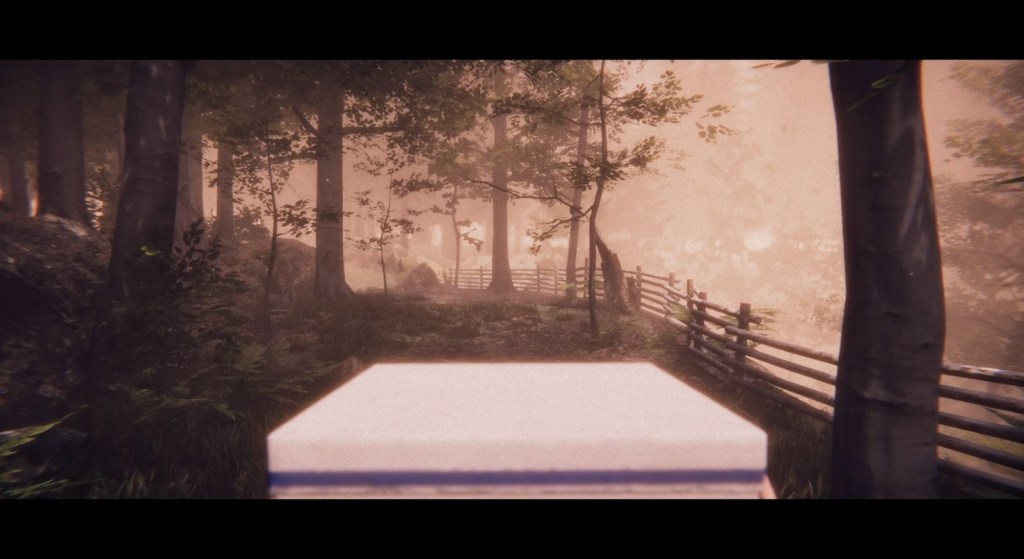
Project Songbird is a narrative-driven horror game that follows Dakota, a musician struggling with writer’s block. They end up heading to an eerie cabin in the woods to try and work on their next album, wrestling with their past, their sense of self, and the lack of easy access to clean water in the forest.
This game is bite-sized, clocking in at roughly 4-5 hours, but it packs a lot of weight in its narrative, largely thanks to the incredible characterization and performance from Dakota.
Within the first 20 minutes or so, my heart ached for Dakota as they grappled with their creative block and the feeling of being forced into a box as an artist. Realistic protagonists aren’t always found in the horror genre, but Dakota felt like someone I could’ve stumbled across at a local gig.
While the start of Project Songbird takes place in Dakota’s apartment and looks like it’s grounded in reality, things quickly start to unravel once they arrive at the forest cabin.

I found that Project Songbird felt rather dreamy and slow-burning in its approach to horror, despite being a shorter game.
Instead of starting off by immediately chucking monsters and ghouls at Dakota, the game lets you sink into the quiet of the cabin and play around with the recording equipment. It introduces tense dream sequences and gives Dakota glimpses of something out of the corner of their eye, building tension naturally.
The shorter runtime may be off-putting to some, but I found it to be ideal for a narrative horror game.
Generally, I find 5-6 hours to be the sweet spot for atmospheric horror – enough time to set the scene and let you get immersed, but not so long as to let you acclimatize to the scares or lose focus. A great example of a game with a similar runtime is ROUTINE.
Tense and atmospheric
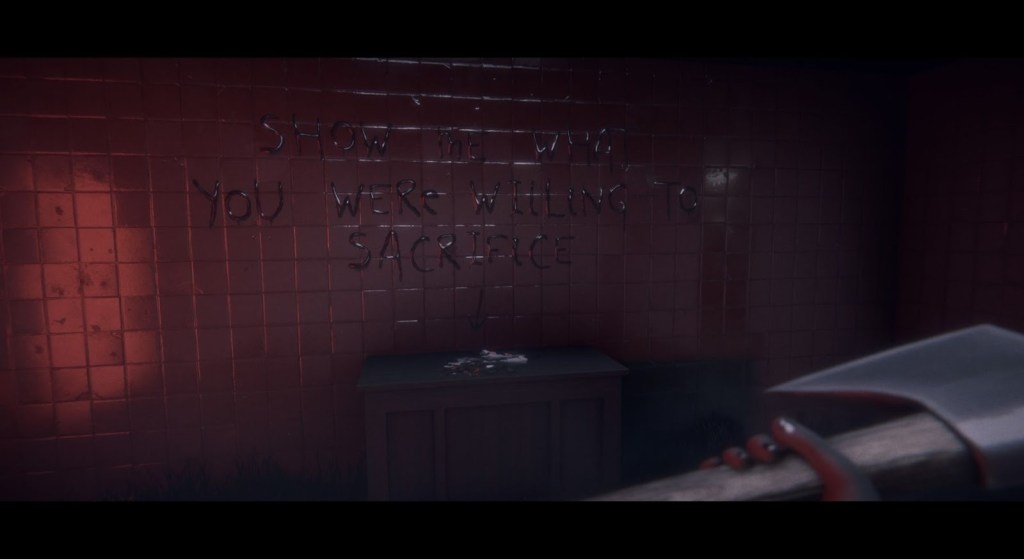
In terms of gameplay, Project Songbird focused on exploration and puzzle-solving, with less emphasis on action. Dakota can access a few weapons, like an axe, but they’re not going to be chainsaw-parrying and motorbike-flipping like a certain Resident Evil protagonist.
Again, this stood out as a highlight to me. Some horror leans heavily into cinematic action, which is fine and can be enjoyable – but in the gray area between psychological and survival horror, I find protagonists who don’t feel incredibly strong to be the most compelling.
Dakota wasn’t weak by any means, but they felt realistic. They were clearly unnerved and frightened by the strange situations they were finding themselves in, and the brand of horror on offer felt deeply personal.
This carried through in the game’s visuals, too. Project Songbird’s predominant location, the cabin, is in the Appalachian forest. The game felt weirdly nostalgic and familiar to me in places, even though I’m from southern England. The setting and visual style felt almost like a snippet of someone else’s dreamscape.
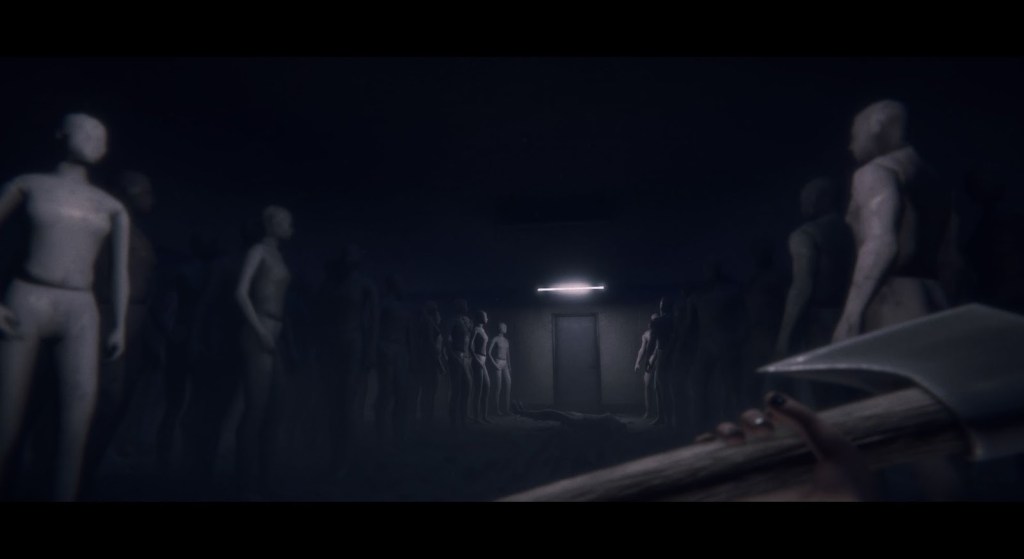
Something that’ll likely stand out as a potential issue for some players is the letterboxing visible in each screenshot shown here, or the black bars surrounding the screen. This mode can be turned off if desired.
I’m usually not a fan of letterboxing in games – hello, Evil Within, my beloved – but it grew on me quickly with Project Songbird. However, it’s good to see that the option to turn it off is available regardless; I’d love to see more games adopt this approach to quirks like screen shake, static, or visual noise to help folks customize their experiences.
Performance-wise, Project Songbird looked beautiful and ran well during my time with it. I didn’t notice any visual quirks, bugs, or glitches, and it ran smoothly overall, offering a clean and intuitive user experience.
I was utterly charmed by Project Songbird by the time I’d finished my playthrough. It felt deeply personal and dark, and Dakota stood out as a stellar protagonist that I’d love to see more of. If you’re a fan of atmospheric stories and old-school narrative-led horror games, this is a game you can’t miss out on.
FAQs
Project Songbird was developed by FYRE Games and Conner Rush and published by FYRE Games.
Project Songbird is an atmospheric, narrative-driven horror game that blends exploration, combat, and puzzle-based gameplay.
Yes, there’s an indie music-themed collectable system in Project Songbird where players can pick up and play records.
Yes, Project Songbird has tense and startling moments. It’s not quite as intense as a game like Visage or Silent Hill 2, but it is still frightening in places.